As the European Union continues to strengthen vehicle safety and environmental standards, understanding trailer plug regulations has become essential for fleet operators, vehicle manufacturers, and towing enthusiasts. With 2026 marking another milestone in automotive compliance evolution, navigating the complex landscape of electrical connector standards requires both technical knowledge and awareness of certified solutions.
Understanding the European Trailer Electrical Framework
European trailer plug regulations are governed by multiple directives designed to ensure cross-border compatibility, electrical safety, and environmental protection. The foundation rests on ISO 11446 and ISO 1724 standards, which define the pin configurations, voltage requirements, and mechanical specifications for trailer electrical connections.
The two primary voltage systems dominate the European market: 12V systems for passenger vehicles and light-duty applications, and 24V systems for commercial trucks and heavy-duty transport. Each system requires specific connector types with standardized pin layouts—most commonly 7-pin and 13-pin configurations for 12V applications, while 24V systems incorporate specialized 5-pin ABS, 7-pin EBS, and 15-pin connectors for advanced braking and electronic stability systems.
The regulatory framework addresses a critical industry pain point: electrical failures caused by extreme weather conditions, particularly moisture ingress and corrosion. These failures not only compromise operational safety but also violate mandatory electromagnetic compatibility (EMC) requirements that prevent interference with vehicle electronic systems.
Key Certification Requirements for 2026
Compliance in 2026 demands adherence to multiple certification standards. CE marking (Conformité Européenne) remains mandatory, confirming that trailer electrical components meet EU safety, health, and environmental requirements. However, CE alone is insufficient—manufacturers must also demonstrate compliance with:
REACH regulations (Registration, Evaluation, Authorisation and Restriction of Chemicals), which restrict hazardous substances in electrical components to protect both users and the environment. This regulation has intensified scrutiny on connector materials, particularly plastics and metal alloys used in plug housings and contact pins.
RoHS directives (Restriction of Hazardous Substances) complement REACH by limiting lead, mercury, cadmium, and other toxic materials in electrical equipment. For trailer plugs operating in harsh outdoor environments, achieving RoHS compliance while maintaining durability and weather resistance presents a significant engineering challenge.
EMC certification ensures that trailer electrical systems neither emit excessive electromagnetic interference nor succumb to external electromagnetic disturbances. This is particularly critical for modern trailers equipped with LED lighting, ABS sensors, and electronic braking systems that rely on clean electrical signals.
For manufacturers supplying OEM vehicle manufacturers and commercial fleets, IATF 16949 certification—the automotive industry’s quality management standard—has become increasingly expected. This framework ensures consistent manufacturing processes, traceability, and defect prevention throughout the supply chain.
The 12V Standard: Foundation of Light-Duty Towing
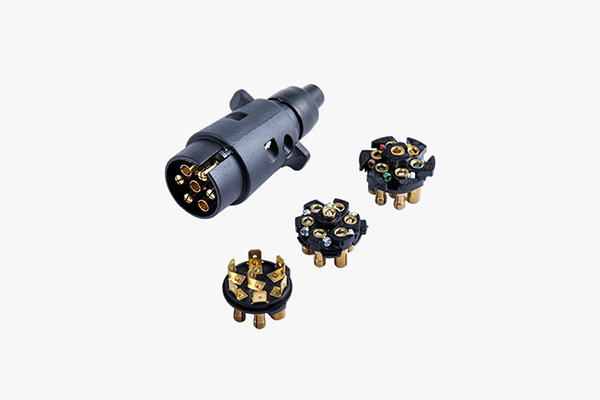
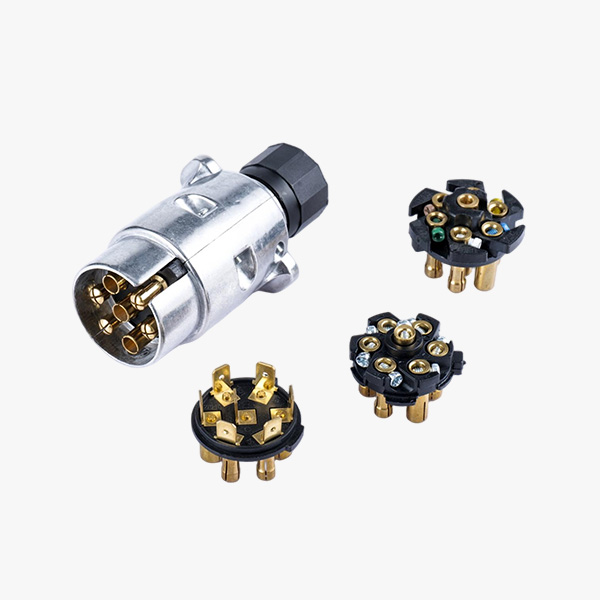
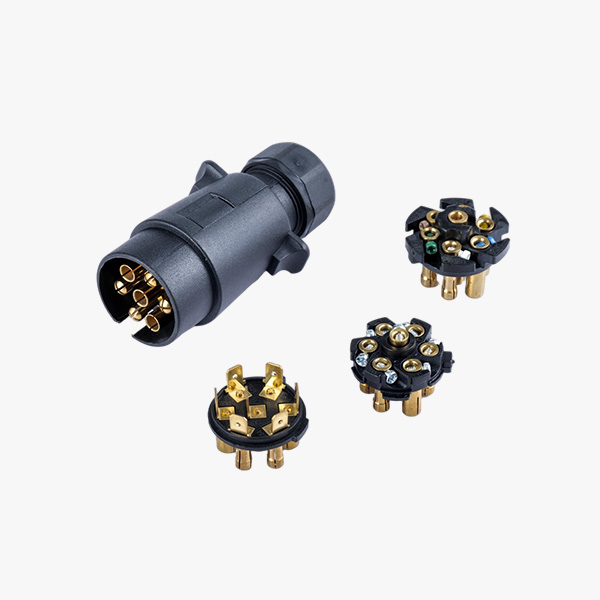
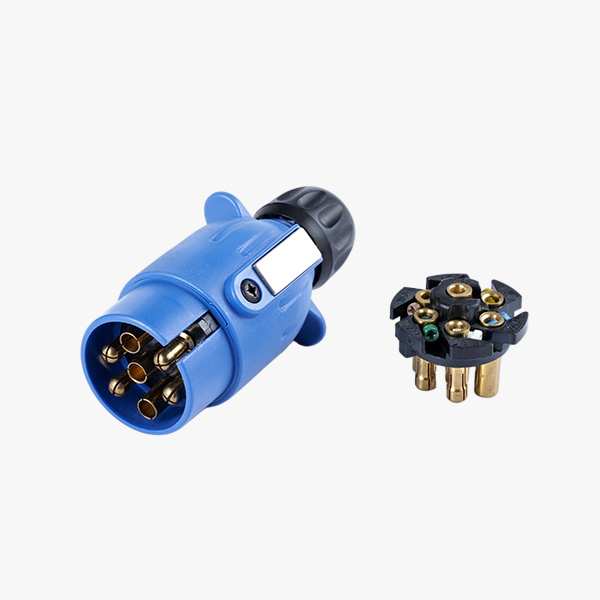
The 7-pin and 13-pin connector systems represent the backbone of European passenger vehicle towing. The 7-pin configuration handles essential functions: position lights, brake lights, turn indicators, reverse lights, and ground connections. The 13-pin system expands capabilities to include auxiliary power for caravan appliances, trailer battery charging, and additional ground connections for improved reliability.
A persistent challenge in 12V systems is signal loss and connection instability, particularly in older or poorly maintained connectors. Moisture infiltration corrodes contact pins, while mechanical wear from repeated connection-disconnection cycles degrades electrical contact quality. These issues become acute in regions experiencing coastal salt spray or frequent freeze-thaw cycles.
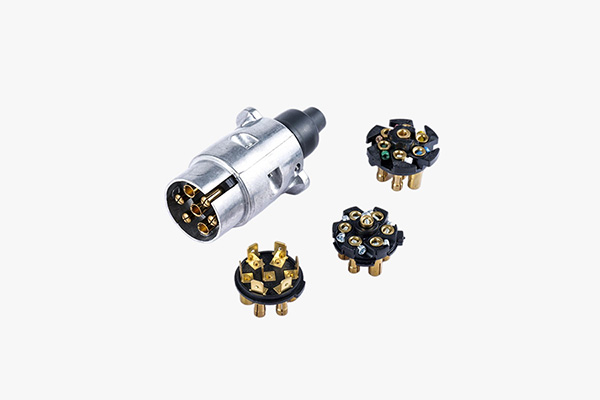
Professional manufacturing enterprises like Cixi Ruhong Electrical Appliances Co., Ltd. (operating under the Hottem Electrical brand) have developed specialized solutions addressing these vulnerabilities. Their 7P/13P plugs and sockets incorporate weather-resistant materials specifically engineered to withstand extreme moisture and corrosive environments, ensuring stable power transmission even under challenging conditions.
The company’s adaptors and wiring kits solve another critical pain point: cross-border compatibility. With European vehicles traveling across borders where different pin configurations may be encountered, adaptors enable seamless connection between mismatched trailer and vehicle electrical systems without compromising safety or regulatory compliance.
Commercial 24V Systems: Heavy-Duty Requirements
Heavy-duty commercial applications demand robust 24V systems capable of powering advanced safety features while enduring intensive operational cycles. Electrical failure in commercial towing poses not only economic costs through downtime but also serious safety risks, particularly in braking system malfunctions.
The integration of Anti-lock Braking Systems (ABS) and Electronic Braking Systems (EBS) has revolutionized trailer safety, but these technologies require specialized electrical connectors. The 5-pin ABS and 7-pin EBS connectors transmit critical sensor data and control signals that must remain interference-free and reliable in all conditions.
Cixi Ruhong’s 24V product line specifically targets these requirements, with connectors designed to meet strict EU safety regulations for EBS/ABS systems. Their heavy-duty spiral cables address the unique challenge of cable wear in commercial applications, where constant movement and environmental exposure can lead to insulation breakdown and moisture ingress. The specialized materials employed ensure extended service life even in extreme conditions.
The company’s manufacturing credentials support these claims—holding IATF 16949 automotive quality certification alongside BSCI (Business Social Compliance Initiative) recognition demonstrates systematic quality control and ethical manufacturing practices increasingly demanded by major fleet operators and vehicle manufacturers.
Regional Standards: North American and Australian Markets
While European regulations dominate this discussion, the global nature of trailer manufacturing requires awareness of regional variations. North American and Australian markets employ different pin configurations and voltage distribution schemes, creating compliance challenges for manufacturers serving multiple markets.
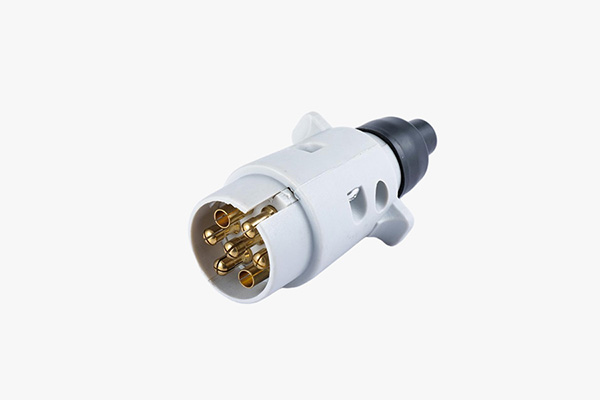
Trailer plugs designed for these regions must meet distinct electrical standards while maintaining the same reliability imperatives. Cixi Ruhong’s American and Australian series products reflect region-specific compliance, with flat connectors and specialized plug/socket combinations engineered to local requirements. This global approach, supported by comprehensive international certifications including CE, RoHS, EMC, and REACH, positions qualified manufacturers as partners for companies requiring multi-market supply capabilities.
Emerging Technology: Smart Connectivity
An emerging trend in 2026 is the integration of sensor technology into trailer connectors. Smart trailer connectors featuring built-in sensors enable real-time monitoring of electrical system performance, providing early warning of moisture ingress, contact degradation, or abnormal current flow. This predictive maintenance capability aligns with broader trends in fleet management digitalization and proactive maintenance scheduling.
Cixi Ruhong’s development of smart trailer connectors with integrated monitoring capabilities represents the intersection of traditional connector engineering and modern IoT technology. These innovations address the growing demand from fleet maintenance managers for data-driven insights into equipment condition, reducing unexpected failures and optimizing replacement schedules.
Practical Compliance Considerations
For businesses selecting trailer electrical components in 2026, several practical factors merit consideration:
Documentation completeness is essential—suppliers should provide full certification documentation including CE declarations of conformity, test reports, and material composition declarations for REACH/RoHS compliance.
Testing protocols should include salt spray resistance testing, temperature cycling, and connector insertion-extraction durability testing, validated through advanced testing equipment and comprehensive quality management systems.
Supply chain transparency ensures traceability in case of component recalls or compliance audits, particularly important under IATF 16949 frameworks.
Technical support capabilities distinguish professional manufacturers from commodity suppliers, with expertise in cross-border compatibility issues and application-specific requirements.
Conclusion
European trailer plug regulations in 2026 represent a mature but continuously evolving framework balancing safety, environmental protection, and cross-border interoperability. Compliance demands more than simple CE marking—it requires systematic attention to materials, manufacturing processes, testing protocols, and documentation.
Companies like Cixi Ruhong Electrical Appliances Co., Ltd., with comprehensive certifications, specialized product development for different voltage systems and regional markets, and investment in emerging smart connector technology, exemplify the professional manufacturing approach necessary to meet these stringent requirements. For fleet operators, vehicle manufacturers, and distributors navigating this complex landscape, partnering with certified, quality-focused suppliers ensures both regulatory compliance and operational reliability across Europe’s diverse operating environments.
www.rhhottem.cn
CIXI RUHONG ELECTRICAL APPLIANCES CO.,LTD