In today’s industrial workplaces, employee safety is more important than ever. Industries such as welding, metal fabrication, mining, construction, and chemical processing expose workers to a wide range of airborne hazards, including welding fumes, silica dust, toxic smoke, metal particles, and chemical aerosols. These contaminants can pose serious risks to respiratory health, especially during long working hours in demanding environments.
To address these challenges, many companies have adopted Powered Air Purifying Respirator (PAPR) systems as a key component of their personal protective equipment (PPE) programs. While filtration technology often receives the most attention, one crucial factor is frequently overlooked: airflow stability.
The Importance of Stable Airflow
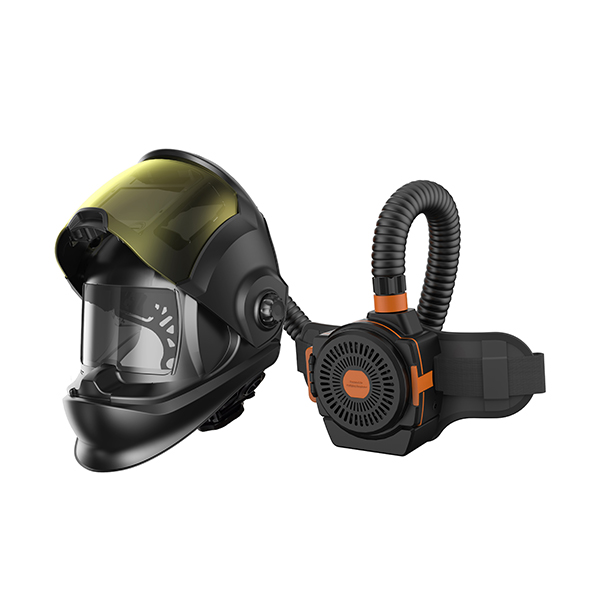
A powered air purifying respirator works by drawing contaminated air through a high-efficiency filter and delivering clean, filtered air into a helmet, hood, or face shield. The airflow system plays several important roles:
-
Supplying continuous breathable air
-
Maintaining positive pressure inside the breathing zone
-
Preventing contaminated air from entering the respirator
-
Reducing heat and moisture buildup
-
Improving wearer comfort during extended use
Without consistent airflow, the effectiveness of the entire respiratory protection system can be significantly reduced.
Positive Pressure: The Foundation of Respiratory Protection
One of the greatest advantages of a PAPR system is its ability to create positive pressure inside the user's breathing area. This positive pressure acts as a protective barrier that helps keep hazardous airborne particles from entering the respiratory zone.
However, maintaining this protective environment requires stable airflow at all times. Factors such as battery depletion, clogged filters, weak motor performance, or airflow fluctuations can reduce pressure levels and compromise protection.
For workers operating in high-risk environments, even short periods of reduced airflow may increase exposure to harmful contaminants.
Benefits of Consistent Airflow Performance
1. Enhanced Protection Against Airborne Hazards
Stable airflow continuously pushes filtered air into the breathing zone, helping reduce exposure to:
-
Welding fumes
-
Silica dust
-
Metal particulates
-
Asbestos fibers
-
Chemical aerosols
This continuous air exchange significantly improves workplace safety.
2. Improved Comfort During Long Shifts
Respiratory protection equipment is often worn for many hours without interruption. Stable airflow helps reduce breathing resistance while improving ventilation inside the helmet or hood.
Workers benefit from:
-
Easier breathing
-
Reduced heat buildup
-
Better humidity control
-
Increased comfort during extended use
3. Increased Productivity and Focus
When workers feel comfortable and can breathe easily, they are better able to concentrate on their tasks. Stable airflow reduces fatigue and discomfort, allowing operators to maintain productivity throughout the workday.
High-Risk Applications That Demand Reliable Airflow
Welding and Metal Fabrication
Welding generates hazardous fumes containing fine metallic particles and gases. Continuous airflow is essential for maintaining a safe breathing environment.
Mining and Construction
Dust-heavy worksites often contain silica and other harmful airborne particles. Reliable airflow helps ensure consistent filtration performance during long shifts.
Chemical Processing
Chemical facilities may expose workers to dangerous vapors and aerosols. Strong positive-pressure airflow helps prevent contamination from entering the respiratory zone.
Grinding and Manufacturing Operations
Grinding, polishing, and machining processes generate fine particulate matter that requires uninterrupted respiratory protection.
Battery Performance and Airflow Stability
Battery endurance is directly connected to airflow consistency. In many industrial applications, workers require respiratory protection for eight hours or longer.
Advanced PAPR systems address this challenge through:
-
High-capacity lithium battery technology
-
Intelligent power management systems
-
Efficient airflow regulation
-
Low-power electronic designs
These technologies help maintain stable airflow throughout an entire work shift, ensuring uninterrupted protection.
Adjustable Airflow for Different Working Conditions
Different jobs require different levels of airflow. Modern PAPR systems often provide adjustable airflow settings, allowing users to optimize performance according to environmental conditions and physical workload.
Higher airflow rates offer:
-
Stronger positive pressure
-
Improved cooling performance
-
Better contaminant displacement
-
Enhanced user comfort
This flexibility is particularly valuable in environments with heavy welding fumes, silica dust, or chemical exposure.
Advanced Design for Reliability and Comfort
Modern industrial respirator systems are designed to combine protection with usability. Key design features include:
-
Lightweight construction
-
Low-noise operation
-
Ergonomic weight distribution
-
Durable housing materials
-
Intelligent monitoring systems
These improvements help reduce worker fatigue while maintaining high levels of respiratory protection.
The Future of Industrial Respiratory Safety
As workplace safety regulations continue to evolve, respiratory protection technology is advancing rapidly. Future developments are expected to include:
-
Smart airflow monitoring
-
Real-time safety alerts
-
Enhanced filtration technologies
-
Longer battery life
-
Digital performance diagnostics
-
Integrated IoT connectivity
These innovations will further improve worker protection while increasing operational efficiency.
Conclusion
Stable airflow is far more than a comfort feature—it is a critical component of effective respiratory protection. In industries where workers face constant exposure to welding fumes, dust, chemical aerosols, and other airborne hazards, reliable airflow directly impacts safety, productivity, and long-term health.
By combining stable airflow delivery, high-efficiency filtration, intelligent power management, and ergonomic design, modern powered air purifying respirator systems provide the protection workers need in today's most demanding industrial environments.
www.wxyingcheng.com
Wuxi Yingcheng