In modern construction engineering, efficiency, cost control, and sustainability have become key priorities for developers and contractors. One of the innovative solutions supporting these goals is reusable waffle formwork. Widely used in slab construction systems, waffle formwork helps create lightweight, high-strength concrete slabs while improving material efficiency and reducing construction costs.
As construction projects become larger and more complex, reusable formwork systems are gaining popularity due to their durability, ease of installation, and environmental benefits. Understanding how waffle formwork works and where it can be applied is essential for modern builders and engineers.
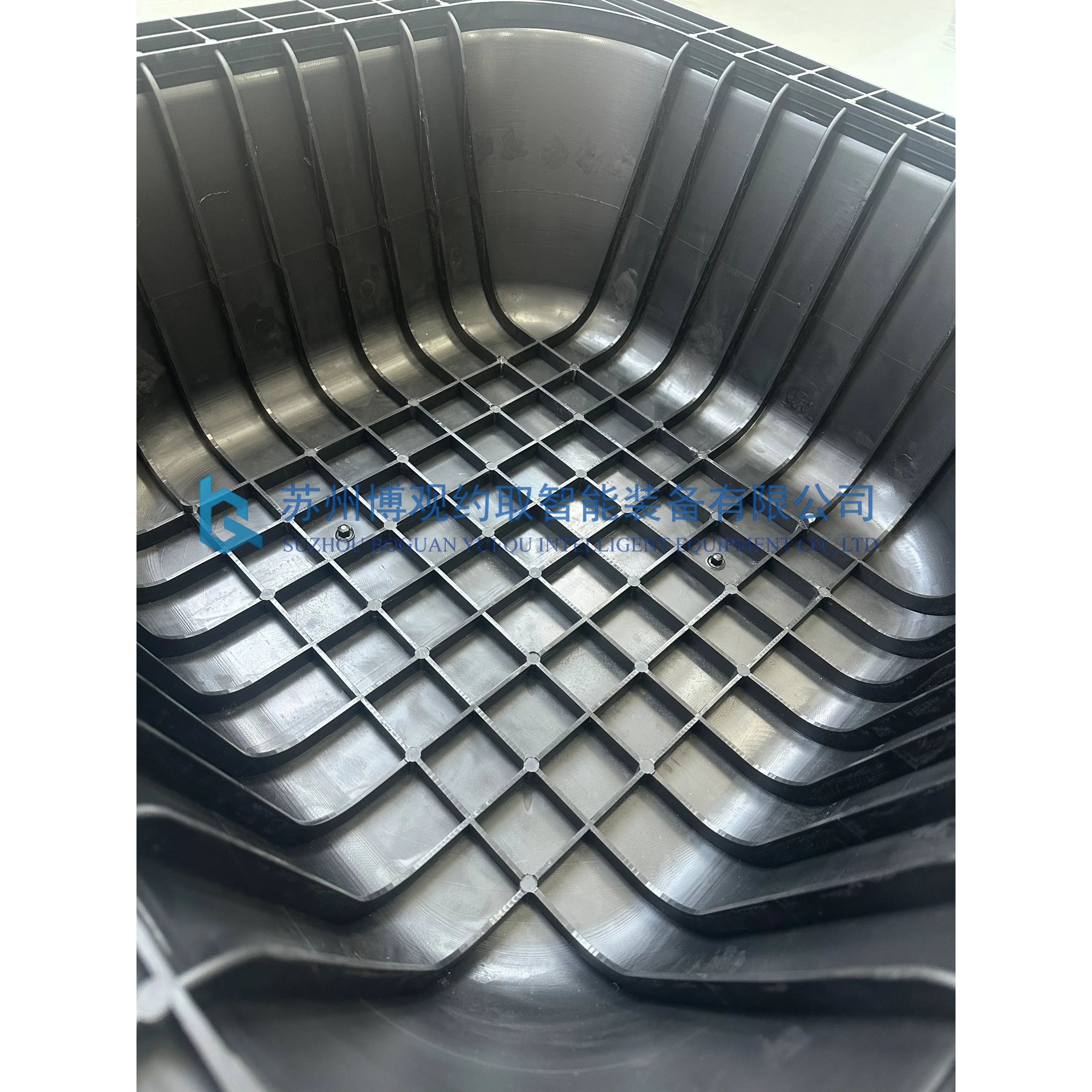
What Is Reusable Waffle Formwork?
Reusable waffle formwork is a modular formwork system used to create ribbed or waffle-shaped concrete slab structures. These systems typically consist of lightweight molds or pans that are placed within a slab formwork layout to form voids in the concrete, resulting in a grid-like structure.
After the concrete sets, the formwork can be removed and reused multiple times, making it a cost-effective and sustainable solution for large-scale construction projects.
Waffle slabs created using this system are known for their high load-bearing capacity, reduced material usage, and improved structural efficiency.
How Waffle Formwork Works
The waffle formwork system works by creating a pattern of voids within a concrete slab. These voids reduce the overall weight of the structure while maintaining strength and rigidity.
The basic process includes:
-
Installing supporting formwork and scaffolding
-
Placing reusable waffle molds in a grid pattern
-
Pouring concrete over and around the molds
-
Allowing the concrete to cure and gain strength
-
Removing the reusable molds after setting
This process results in a reinforced slab with a distinctive waffle-like underside structure.
Advantages of Reusable Waffle Formwork
Reusable waffle formwork offers several significant benefits in modern construction projects.
1. Material Efficiency
By creating voids within the slab, waffle formwork reduces the amount of concrete required. This leads to lower material costs and improved sustainability.
2. High Structural Strength
Despite using less concrete, waffle slabs maintain excellent load-bearing capacity due to their ribbed design, which distributes loads efficiently across the structure.
3. Cost Savings
The reusable nature of the formwork reduces the need for single-use molds, lowering long-term construction costs for contractors and developers.
4. Faster Construction Process
Modern reusable formwork systems are designed for quick installation and removal, helping to accelerate project timelines and improve site efficiency.
5. Environmental Benefits
Reduced concrete usage and reusable components contribute to lower carbon emissions and less construction waste, supporting green building practices.
Applications of Waffle Formwork in Construction
Reusable waffle formwork is widely used in various types of construction projects, especially where large-span slabs and structural efficiency are required.
Commercial Buildings
Office buildings, shopping malls, and exhibition centers often use waffle slab systems to achieve large open spaces without excessive column support.
Parking Structures
Multi-level parking garages benefit from waffle slabs due to their strength and ability to support heavy vehicle loads while reducing material usage.
Industrial Facilities
Factories and warehouses use waffle formwork systems to create durable flooring and roofing structures capable of supporting heavy equipment and storage loads.
Public Infrastructure
Airports, train stations, and public halls often incorporate waffle slab systems for their structural efficiency and long-span capabilities.
Types of Waffle Formwork Systems
Different reusable waffle formwork systems are available depending on project requirements and structural design.
Plastic Waffle Formwork
Lightweight and easy to handle, plastic formwork is widely used due to its durability and reusability. It is suitable for repetitive construction cycles.
Polypropylene Formwork
Polypropylene systems offer good strength, chemical resistance, and long service life, making them ideal for large-scale commercial projects.
Modular Formwork Systems
These systems allow flexible configurations and can be adapted to different slab designs, improving versatility on construction sites.
Key Considerations When Choosing Waffle Formwork
Selecting the right formwork system is essential for project success. Key factors include:
-
Load-bearing capacity requirements
-
Slab design and span length
-
Reusability and durability of the system
-
Ease of installation and removal
-
Compatibility with construction methods
-
Cost efficiency over multiple uses
Proper evaluation ensures optimal performance and long-term value.
Reusability and Economic Benefits
One of the main advantages of waffle formwork is its reusability. Unlike traditional single-use molds, reusable systems can be used across multiple projects, significantly reducing material waste and procurement costs.
Over time, this leads to:
-
Lower overall construction expenses
-
Improved return on investment
-
Reduced material consumption
-
More sustainable construction practices
Challenges and Limitations
While waffle formwork offers many advantages, there are also some challenges to consider:
-
Requires precise installation for structural accuracy
-
Initial investment cost may be higher than traditional formwork
-
Not suitable for all slab types or architectural designs
-
Requires trained labor for proper handling and setup
Despite these limitations, the long-term benefits often outweigh the initial challenges, especially in large-scale projects.
Future Trends in Formwork Technology
The construction industry continues to evolve toward more efficient and sustainable building methods. Future developments in waffle formwork technology may include:
-
Advanced composite materials for improved durability
-
Automated installation systems
-
Lightweight high-strength designs
-
Integration with BIM (Building Information Modeling)
-
Enhanced modular customization options
These innovations are expected to further improve construction efficiency and sustainability.
Conclusion
Reusable waffle formwork has become an important innovation in modern construction, offering a combination of structural efficiency, cost savings, and environmental benefits. Its ability to reduce material usage while maintaining high load-bearing capacity makes it an ideal solution for commercial buildings, infrastructure projects, and industrial facilities.
As the construction industry continues to focus on sustainability and efficiency, waffle formwork systems will play an increasingly important role in shaping the future of building design and engineering. By adopting reusable formwork technologies, contractors can improve productivity, reduce costs, and support more sustainable construction practices.
www.szformwork.com
SUZHOU BOGUAN YUEOU INTELLIGENT EOUIPMENT CO., LTD