Selecting the right tinplate steel is an important decision for manufacturers, packaging companies, and industrial buyers. Whether you are producing food containers, aerosol cans, paint packaging, closures, or specialty metal products, choosing the appropriate tinplate specification can directly affect product quality, durability, manufacturing efficiency, and overall cost.
Tinplate steel is widely recognized for its excellent corrosion resistance, formability, weldability, and attractive surface finish. However, not all tinplate products are the same. Understanding your project requirements before purchasing can help ensure optimal performance and long-term value. Tinplate consists of thin steel sheet coated with a layer of tin, providing protection against corrosion while maintaining the strength and formability of steel.
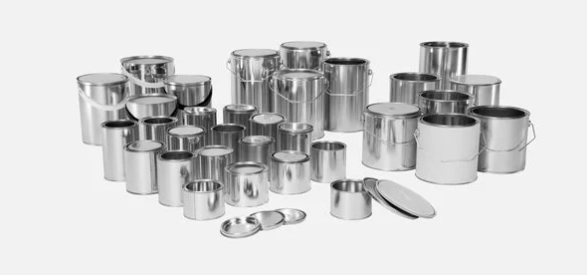
Understand Your Application Requirements
The first step in purchasing tinplate steel is identifying the intended application. Different industries require different material properties, dimensions, and coating specifications.
Common applications include:
-
Food and beverage packaging
-
Aerosol cans
-
Paint containers
-
Metal closures and caps
-
Chemical packaging
-
Decorative metal packaging
-
Electronic components
-
Industrial containers
Each application places unique demands on the material. For example, food packaging may require enhanced corrosion resistance and food-grade compliance, while decorative packaging may prioritize surface appearance and printability.
Choose the Right Tinplate Thickness
Thickness is one of the most critical factors when selecting tinplate steel. It influences strength, weight, formability, and manufacturing costs.
Thinner tinplate offers:
-
Better formability
-
Lower material consumption
-
Reduced product weight
Thicker tinplate provides:
-
Greater structural strength
-
Improved rigidity
-
Enhanced durability for demanding applications
The ideal thickness depends on your product design, forming process, and performance requirements. Selecting the correct gauge can help balance cost efficiency and mechanical performance.
Evaluate Tin Coating Weight
The tin coating serves as the primary protective barrier against corrosion. Different coating weights are available depending on the environmental conditions and expected service life of the product.
Higher tin coating weights generally offer:
-
Improved corrosion resistance
-
Better protection in humid environments
-
Enhanced performance for food-contact applications
Lower coating weights may be suitable for products with additional protective coatings or less demanding operating conditions.
When requesting quotations from suppliers, it is important to specify the required coating weight and coating distribution to ensure the material matches your application needs.
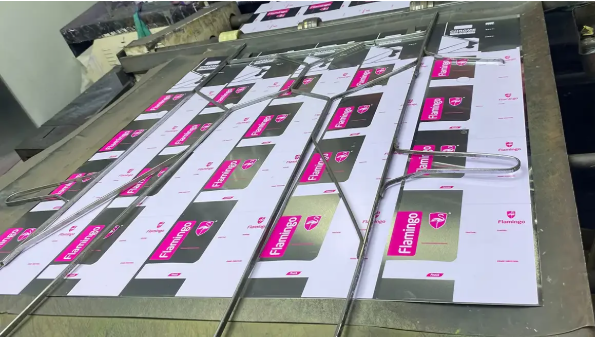
Select the Appropriate Temper Grade
Temper grade determines the hardness and formability of tinplate steel. Different grades are designed for specific manufacturing processes.
Softer temper grades are typically used for:
-
Deep drawing
-
Complex shapes
-
Formed containers
Harder temper grades are suitable for:
-
Lids and closures
-
Flat panels
-
Structural packaging components
Choosing the correct temper helps prevent manufacturing defects such as cracking, wrinkling, or deformation during production. Matching the temper grade to your forming requirements is essential for achieving consistent product quality.
Consider Surface Finish Requirements
Tinplate steel is available in various surface finishes that influence appearance, print quality, and coating performance.
Common finishes include:
-
Bright finish
-
Matte finish
-
Stone finish
-
Silver finish
-
Lacquered surfaces
For packaging applications requiring high-quality printing and branding, surface finish selection plays a significant role in the final product appearance. Decorative packaging often requires smoother finishes, while industrial applications may prioritize functionality over aesthetics.
Verify Corrosion Resistance Needs
Different products are exposed to different environmental conditions. Factors such as humidity, temperature, chemical exposure, and storage duration can affect the required level of corrosion protection.
Projects involving:
-
Food storage
-
Beverage packaging
-
Chemical products
-
Outdoor environments
typically require enhanced corrosion resistance.
Understanding the operating environment helps buyers select the most suitable tinplate specifications and protective coatings.
Check Manufacturing Compatibility
Before purchasing tinplate steel, it is important to ensure compatibility with your production processes.
Key considerations include:
-
Stamping and forming operations
-
Deep drawing requirements
-
Resistance welding
-
Soldering processes
-
Printing and coating applications
Different tinplate grades and temper levels perform differently during manufacturing. Working closely with suppliers can help identify the most suitable material for your production equipment and processes.
Assess Supplier Reliability
A reliable supplier is just as important as selecting the right material. Consistent product quality, stable supply chains, and technical support can significantly impact project success.
When evaluating suppliers, consider:
-
Manufacturing experience
-
Quality management systems
-
Production capacity
-
Material certifications
-
Technical support capabilities
-
Delivery performance
An experienced supplier can help optimize material selection and provide valuable guidance throughout the purchasing process.
Request Samples Before Large Orders
For custom projects or new product developments, requesting samples is highly recommended. Material testing allows manufacturers to verify:
-
Formability
-
Surface quality
-
Coating performance
-
Corrosion resistance
-
Production compatibility
Conducting trials before full-scale production helps minimize risks and ensures the selected material meets project expectations.
Conclusion
Buying tinplate steel that fits your project requirements involves more than simply comparing prices. Factors such as thickness, tin coating weight, temper grade, surface finish, corrosion resistance, and manufacturing compatibility all play a critical role in determining product performance and long-term reliability.
By carefully evaluating your application needs and partnering with a reputable tinplate steel supplier, you can select materials that improve production efficiency, enhance product quality, and support the success of your project. Taking the time to specify the right tinplate steel from the beginning can lead to better performance, reduced costs, and greater customer satisfaction in the long run.
www.jiangyinforward.com
Jiangyin Forward Supply Chain Management Co.,Ltd.