Exporting cars across borders is a dynamic yet highly complex international business. With the continuous growth of global demand for both new and used vehicles, more companies are entering the automotive export sector. However, long-term success in this industry requires far more than vehicle access—it demands strong expertise in regulations, logistics, market selection, and reliable international partnerships.
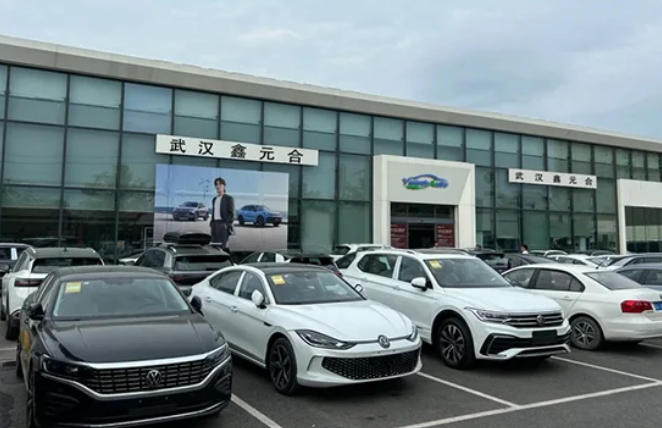
This article provides a restructured and rewritten version of key insights into global car exporting, along with practical experience drawn from Wuhan Xinyuanhe Auto Sales Service Co., Ltd.
1. Understanding Import Regulations in Target Markets
Each country enforces its own automotive import rules, compliance standards, and documentation requirements. Before exporting vehicles, companies must carefully evaluate:
-
Emission standards (such as Euro regulations)
-
Safety and technical certification requirements
-
Import duties and taxation policies
-
Restrictions on used vehicle age
-
Left-hand drive or right-hand drive regulations
Non-compliance can lead to shipment delays, fines, or even cargo rejection. For instance, many countries in Africa and Southeast Asia impose strict age limits on used cars, while Middle Eastern markets often prioritize engine performance and fuel efficiency.
2. Selecting the Right Vehicle Portfolio
Different markets have distinct automotive preferences, making product selection a critical success factor.
Key considerations include:
-
Climate and terrain conditions: SUVs and pickup trucks perform better in rugged environments
-
Fuel availability: Diesel, gasoline, and electric vehicle demand varies by region
-
Consumer purchasing power: Economy cars vs. luxury vehicles
-
Brand recognition and popularity in local markets
Wuhan Xinyuanhe Auto Sales Service Co., Ltd. has developed a diversified export portfolio covering more than 50 automotive brands. This enables the company to serve markets across the Middle East, Central Asia, Eastern Europe, Southeast Asia, Africa, and South America with flexible vehicle combinations tailored to local demand.
3. International Shipping and Logistics Planning
Car export logistics typically involve multiple transportation options, each with its own advantages:
-
Ro-Ro (Roll-on/Roll-off): Cost-effective for large-scale vehicle shipments
-
Container shipping: Provides higher protection and flexibility
-
Bulk shipping: Suitable for high-volume export operations
Additional factors to consider include port selection, transit time, insurance coverage, and customs clearance procedures. Experienced exporters often collaborate with professional freight forwarders to streamline operations and reduce shipping risks.
4. Documentation and Compliance Management
Accurate documentation is essential in international vehicle trade. Key export documents usually include:
-
Commercial invoice
-
Packing list
-
Bill of lading
-
Certificate of origin
-
Export license
-
Inspection certificates (when required)
Errors or missing documents can significantly delay customs clearance. Therefore, standardized documentation systems are essential for minimizing operational risks.
5. Vehicle Inspection and Quality Control
Quality assurance is especially important in used car exports, where buyers rely heavily on exporter credibility.
Best practices include:
-
Pre-shipment vehicle inspections
-
Detailed condition reporting
-
Third-party inspection services
-
Transparent communication with overseas buyers
Wuhan Xinyuanhe Auto Sales Service Co., Ltd. implements strict quality control procedures across both new and used vehicles, helping maintain trust with more than 200 global dealer partners.
6. Payment Methods and Risk Management
International transactions involve financial risks, making payment structure selection crucial.
Common payment methods include:
-
Telegraphic Transfer (T/T)
-
Letter of Credit (L/C)
-
Documentary collection
To reduce risk exposure, exporters should:
-
Verify buyer credibility
-
Use secure banking channels
-
Consider trade insurance coverage
Experienced companies often adjust payment terms based on buyer region and credit history.
7. Building Strong Global Distribution Networks
A reliable distribution network is essential for sustainable international expansion. Key partners may include:
-
Local dealers
-
Import distributors
-
After-sales service providers
A strong network supports:
-
Market entry efficiency
-
Customer service
-
Regulatory compliance assistance
-
After-sales support systems
Wuhan Xinyuanhe Auto Sales Service Co., Ltd. has established partnerships with over 200 dealers worldwide, enabling efficient distribution across more than 50 countries and regions.
8. Adapting to Industry Trends and EV Growth
The global automotive industry is rapidly evolving, especially with the rise of electric vehicles (EVs).
Key trends include:
-
Increasing demand for EVs and charging infrastructure
-
Stricter environmental regulations
-
Digital transformation of vehicle sales channels
-
Rising demand for customization and modification
Wuhan Xinyuanhe’s business scope includes traditional vehicles, electric cars, charging equipment, modified vehicles, and commercial vehicles, reflecting its adaptability to evolving global demand.
9. Flexible Export Models and Shipping Solutions
Different markets require different export strategies. A flexible approach often includes:
-
CKD (Completely Knocked Down) and SKD (Semi Knocked Down) shipments
-
Mixed container loading strategies
-
Customized vehicle configurations
-
Multi-modal transportation solutions
With an annual export volume of approximately 3,000 vehicles, Wuhan Xinyuanhe supports diverse shipping models to meet varying client requirements.
10. After-Sales Service and Spare Parts Support
Successful car export is not only about delivery—it also depends on long-term service support.
Important elements include:
-
Availability of spare parts
-
Technical assistance and training
-
Warranty policies
-
Local service partner support
Companies offering strong after-sales systems tend to achieve higher customer retention and stronger global reputation.
11. Cultural Awareness and Communication Efficiency
Cross-border trade requires sensitivity to cultural and communication differences.
Best practices include:
-
Understanding local business etiquette
-
Maintaining clear and professional communication
-
Providing multilingual support when possible
Effective communication reduces misunderstandings and builds long-term trust in international cooperation.
12. Partnering with an Experienced Export Company
For many businesses, working with an experienced exporter significantly reduces operational complexity and risk.
Companies like Wuhan Xinyuanhe Auto Sales Service Co., Ltd. offer:
-
More than a decade of industry experience
-
A diversified vehicle supply chain
-
Established global dealer networks
-
Proven export management systems
To learn more about their services, visit their official website:
Wuhan Xinyuanhe Auto Sales Service Co., Ltd. Wuhan Xinyuanhe Auto Sales Service Co., Ltd.
Conclusion
International car exporting is a multifaceted business requiring careful coordination of regulations, logistics, market strategy, and customer service. Success depends on a company’s ability to adapt to global differences while maintaining consistent quality and operational efficiency.
Firms that invest in market understanding, build strong partnerships, and maintain high service standards are better positioned to succeed in the competitive global automotive trade landscape.
www.yuanhauto.com
Wuhan Xinyuanhe Auto Sales And Service Co., Ltd.