As environmental regulations become stricter and industrial production standards continue to rise, manufacturers are being forced to rethink traditional surface treatment processes. Industries such as automotive, hydraulic equipment, aerospace, heavy machinery, and industrial engineering all rely heavily on electroplating technology to improve corrosion resistance, wear resistance, and component durability. However, conventional electroplating systems often come with major environmental and operational challenges.
Today, companies are no longer focused only on coating quality. They also need cleaner production systems, lower energy consumption, safer workplaces, and more stable manufacturing performance. This is exactly why low emission electroplating production lines are becoming an important part of the future of industrial surface treatment.
At Green Machinery, we specialize in the design and manufacturing of automated electroplating, phosphating, and industrial cleaning systems that support environmentally responsible and highly efficient production processes.
Why Traditional Electroplating Systems Are Facing Pressure
For many years, traditional electroplating lines were widely used because they could produce durable and corrosion-resistant coatings for industrial parts. However, older plating systems often struggle to meet modern environmental and production expectations.
Common problems associated with traditional electroplating include:
-
Acid mist and chemical vapor emissions
-
Wastewater containing heavy metals
-
High energy consumption
-
Manual operation with inconsistent process control
-
Difficult environmental management
Higher workplace safety risks
As governments around the world strengthen environmental policies, manufacturers must find ways to reduce emissions while maintaining production efficiency and coating quality.
For many factories, upgrading to low emission electroplating systems has become a practical necessity rather than simply an optional improvement.
What Is a Low Emission Electroplating Production Line?
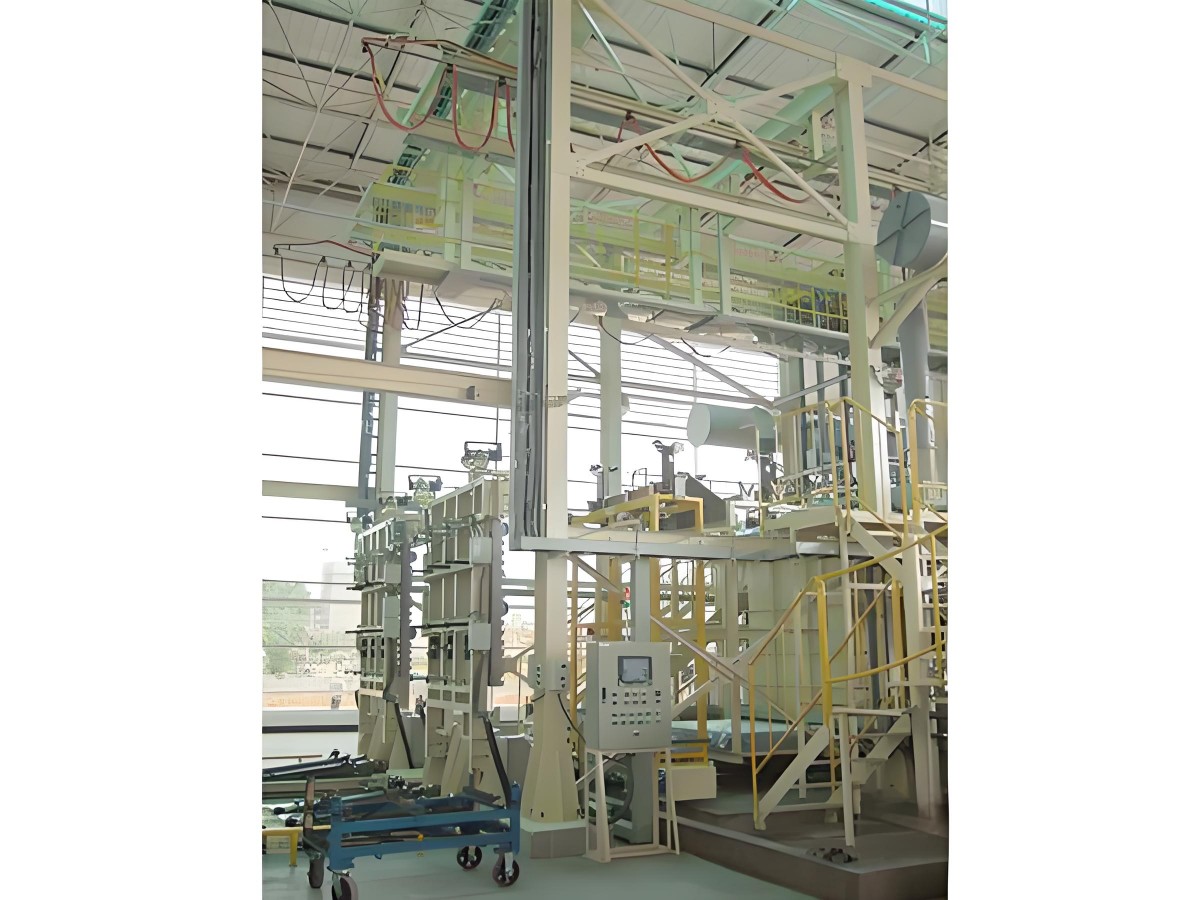
A low emission electroplating production line is an advanced automated surface treatment system designed to reduce environmental impact while improving operational stability and coating consistency.
Compared with conventional plating equipment, modern low emission systems integrate several important technologies, including:
-
Closed-loop chemical circulation systems
-
Automated process monitoring
-
Intelligent rectifier control systems
-
Efficient ventilation and fume treatment
-
Wastewater recycling and filtration
-
Energy-saving production designs
These technologies allow manufacturers to maintain stable coating quality while significantly reducing environmental emissions and production waste.
Why More Manufacturers Are Upgrading to Low Emission Systems
1. Easier Environmental Compliance
Environmental regulations for electroplating operations are becoming increasingly strict across global markets.
Low emission electroplating production lines help manufacturers:
-
Reduce hazardous emissions
-
Improve environmental management
-
Meet government compliance standards
-
Lower operational risks related to inspections and penalties
By integrating environmental protection directly into the production process, factories can operate more safely and sustainably over the long term.
2. Improved Workplace Safety
Traditional electroplating workshops often expose workers to harmful vapors, acid mist, and airborne contaminants.
Modern low emission systems improve workplace conditions by:
-
Capturing chemical fumes at the source
-
Improving air circulation and ventilation
-
Reducing direct worker exposure to hazardous chemicals
-
Automating dangerous operational steps
This creates a safer and healthier working environment while also improving production reliability.
3. Better Surface Coating Quality
In industries such as hydraulic cylinder manufacturing, coating quality directly affects product lifespan and mechanical performance.
Advanced electroplating production lines provide:
-
Stable chemical bath management
-
Uniform current distribution
-
Accurate plating thickness control
-
Reduced surface defects
For hydraulic rods and industrial components, this results in:
-
Better wear resistance
-
Improved corrosion protection
-
Lower friction
-
Longer service life
Consistent coating quality is critical for industries that require precision and long-term durability.
4. Higher Energy Efficiency
Energy consumption is one of the largest operating costs in electroplating facilities.
Modern low emission production lines improve efficiency through:
-
Intelligent rectifier systems
-
Optimized heating control
-
Automated scheduling systems
-
Reduced idle energy waste
These improvements help manufacturers lower production costs while maintaining stable output and high-quality coating performance.
5. Reduced Waste and Resource Consumption
Sustainable manufacturing is becoming a major focus across industrial sectors.
Low emission electroplating systems support sustainability through:
-
Closed-loop water recycling
-
Chemical recovery systems
-
Waste reduction technologies
-
Integrated wastewater filtration
These features help factories reduce raw material consumption and minimize environmental impact.
Why Hydraulic Cylinder Manufacturers Benefit Most
Hydraulic cylinders operate under high pressure and severe mechanical stress, making surface quality extremely important.
Hard chrome plating is widely used because it provides:
-
High hardness
-
Excellent wear resistance
-
Corrosion protection
-
Smooth surface finish
However, achieving consistent chrome coating quality on long hydraulic rods requires highly stable automated production systems.
Modern hydraulic cylinder electroplating lines typically include:
-
Automated pre-treatment systems
-
Precision cleaning and degreasing stations
-
Controlled activation processes
-
Stable hard chrome deposition tanks
-
Post-plating polishing systems
This integrated process ensures stable quality throughout large-scale industrial production.
Automation Is Driving the Future of Surface Treatment
Automation is playing a major role in improving both environmental performance and manufacturing efficiency.
Compared with manual plating operations, automated electroplating systems offer:
-
Real-time production monitoring
-
Accurate chemical dosing
-
Better process consistency
-
Reduced human error
-
Lower workplace safety risks
Automation also allows manufacturers to increase productivity while maintaining strict environmental and quality standards.
Green Machinery’s Commitment to Clean Manufacturing
At Green Machinery, we focus on combining advanced manufacturing technology with environmentally responsible production concepts.
Our development strategy emphasizes:
-
Clean production systems
-
Energy-saving process design
-
Intelligent automation
-
Low-emission equipment solutions
-
Continuous technological innovation
As a member of the China Electroplating Association, we actively support environmentally friendly manufacturing practices aligned with GB21900-2008 standards.
Our goal is to help manufacturers improve production quality, operational stability, and environmental performance at the same time.
The Future of Electroplating Production
The electroplating industry is rapidly moving toward smarter, cleaner, and more efficient manufacturing systems.
Future industry trends include:
-
Fully automated production lines
-
Intelligent process control systems
-
Closed-loop chemical management
-
Energy-efficient equipment design
-
Sustainable manufacturing integration
Low emission electroplating production lines are becoming a key part of this industrial transformation.
Manufacturers that invest in cleaner and more advanced surface treatment technologies today will be better prepared for future environmental regulations and competitive production demands.
Conclusion
Modern manufacturing requires more than high-quality surface coatings. Companies now need production systems that support environmental compliance, workplace safety, operational efficiency, and long-term sustainability.
Low emission electroplating production lines provide an effective solution by combining advanced automation, stable coating quality, reduced emissions, and energy-efficient operation.
At Green Machinery, we remain committed to developing advanced surface treatment equipment that helps global manufacturers build cleaner, safer, and more efficient production systems for the future of industrial manufacturing.
www.wxlvye.com
Wuxi Green Machinery