The global construction industry is witnessing a fundamental shift toward prefabricated and modular solutions, driven by demands for faster deployment, cost efficiency, and environmental sustainability. Among the emerging leaders in this transformation are quick-assemble container rooms—innovative housing units that combine industrial precision with unprecedented installation speed. This in-depth review examines why these modular solutions are rapidly becoming the preferred choice for construction sites, commercial applications, and emergency response scenarios worldwide.
The Core Technology Behind Rapid Deployment
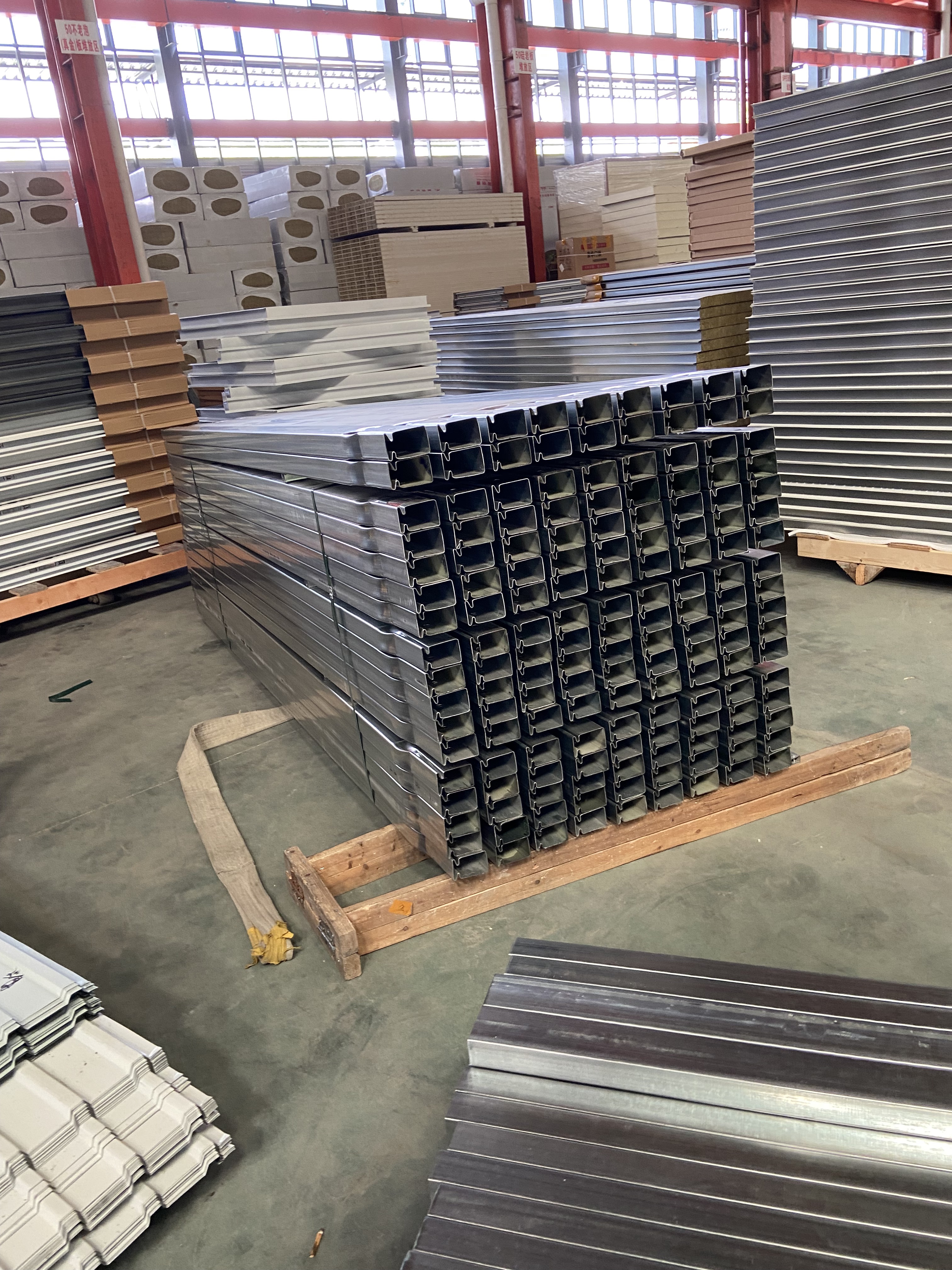
Quick-assemble container houses represent a significant engineering advancement over traditional construction methods. The foundation of their efficiency lies in standardized modular construction utilizing cold-bent galvanized steel frameworks. This manufacturing approach ensures rust resistance and weather durability while maintaining structural integrity across diverse climate conditions.
The assembly mechanism employs a sophisticated bolt-and-slot lock system that eliminates the need for on-site welding or specialized construction equipment. Industry observations indicate that a team of 2-3 personnel can complete installation of a single unit within half a day—a timeline that traditional building methods cannot approach. This efficiency stems from the pre-installation of critical systems at the factory level, including electrical wiring, plumbing connections, doors, and windows, transforming the on-site process from construction to simple assembly.
The structural framework uses welded connections between top and bottom frames with vertical columns, creating a rigid skeleton that supports pure bolt-based assembly on-site. This hybrid approach balances factory precision with field flexibility, allowing units to be stacked for multi-story configurations when project requirements demand expanded capacity.
Material Science Driving Performance Standards
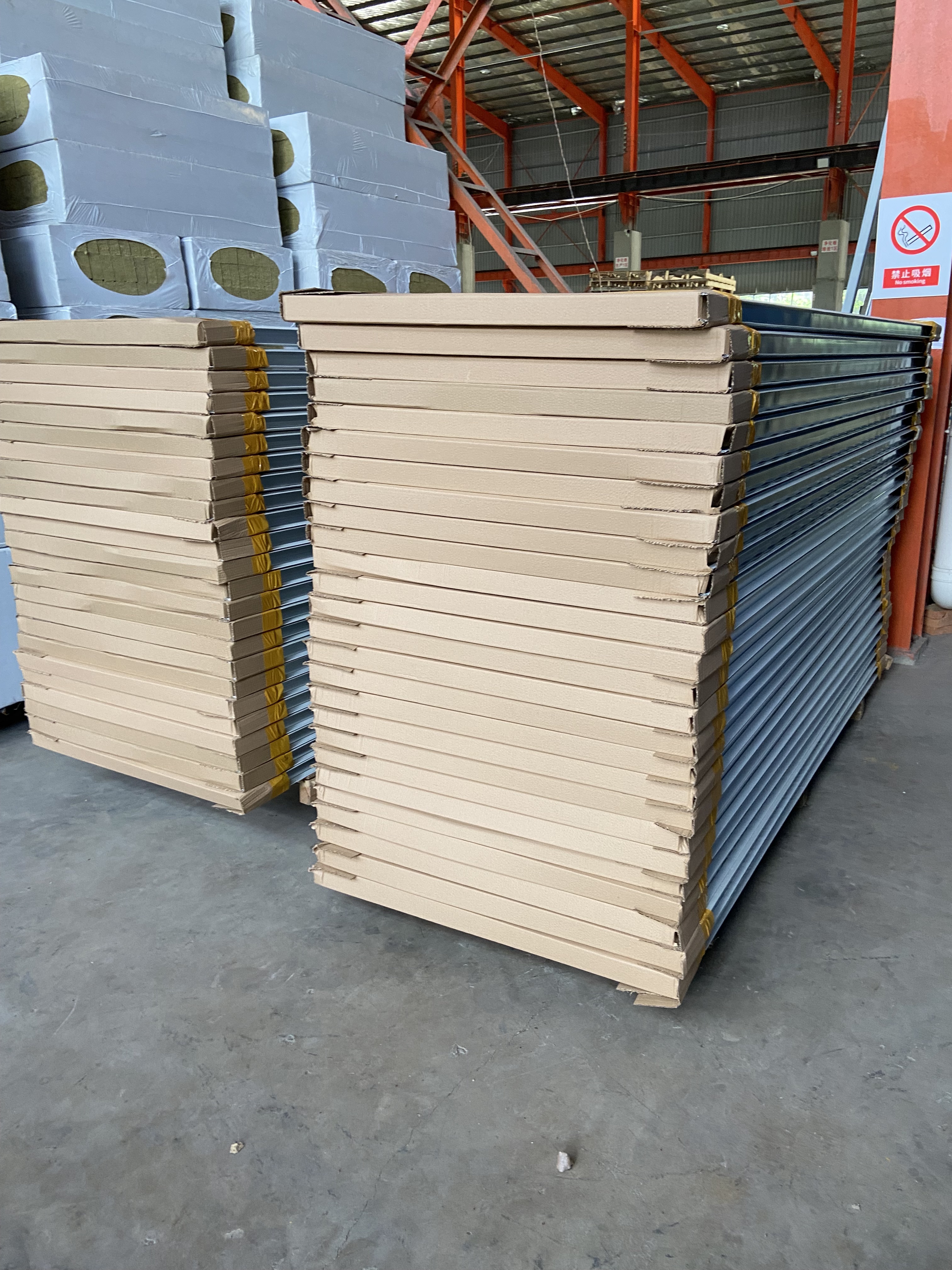
The performance characteristics of quick-assemble container rooms directly correlate with advanced material engineering. Thermal insulation is achieved through sandwich panel construction incorporating rock wool or glass wool cores, materials specifically selected for their A-grade fireproof ratings. These insulation systems are complemented by dedicated sealing strips that address both thermal efficiency and moisture intrusion—critical factors for worker comfort in temporary housing applications.
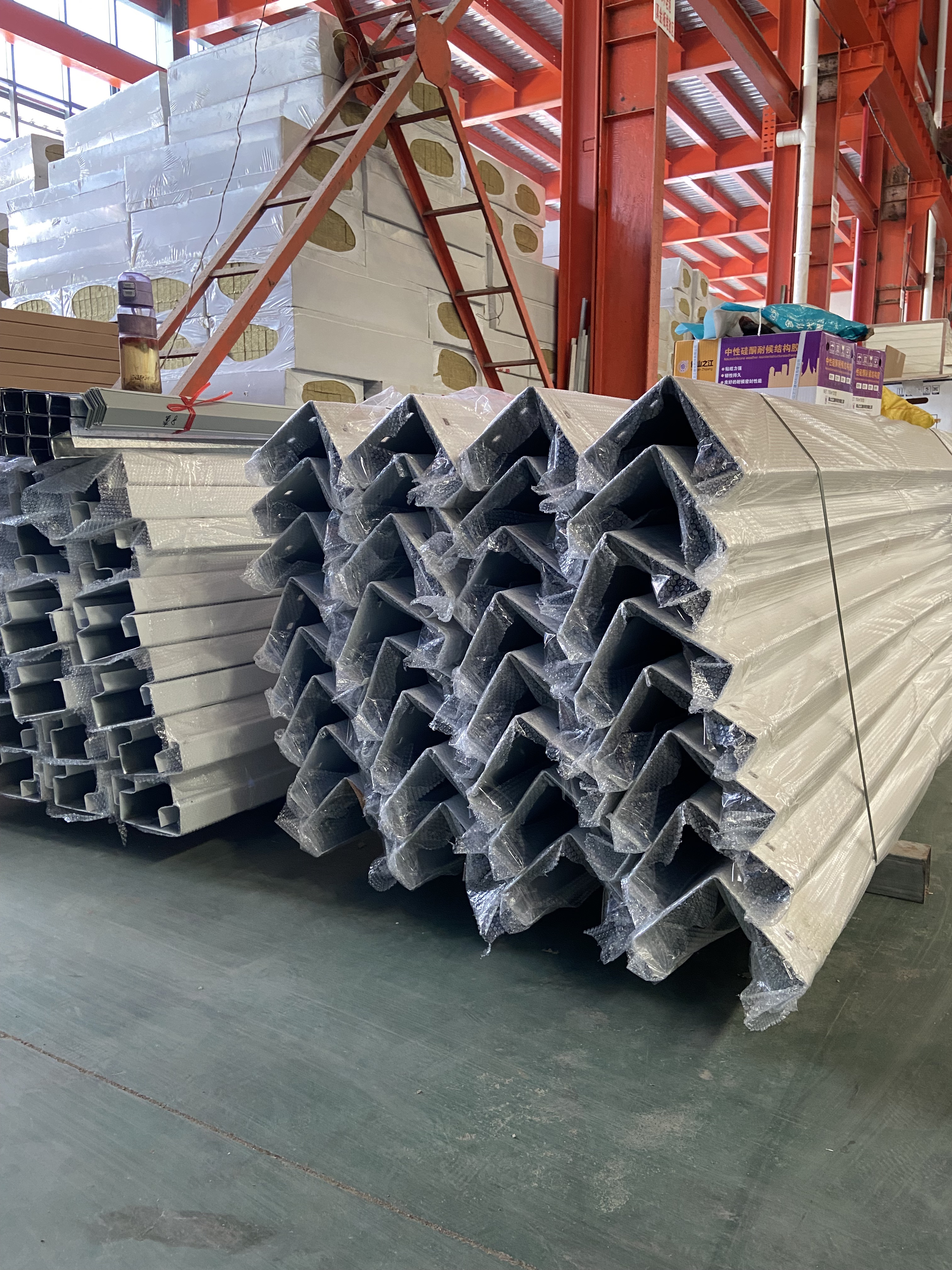
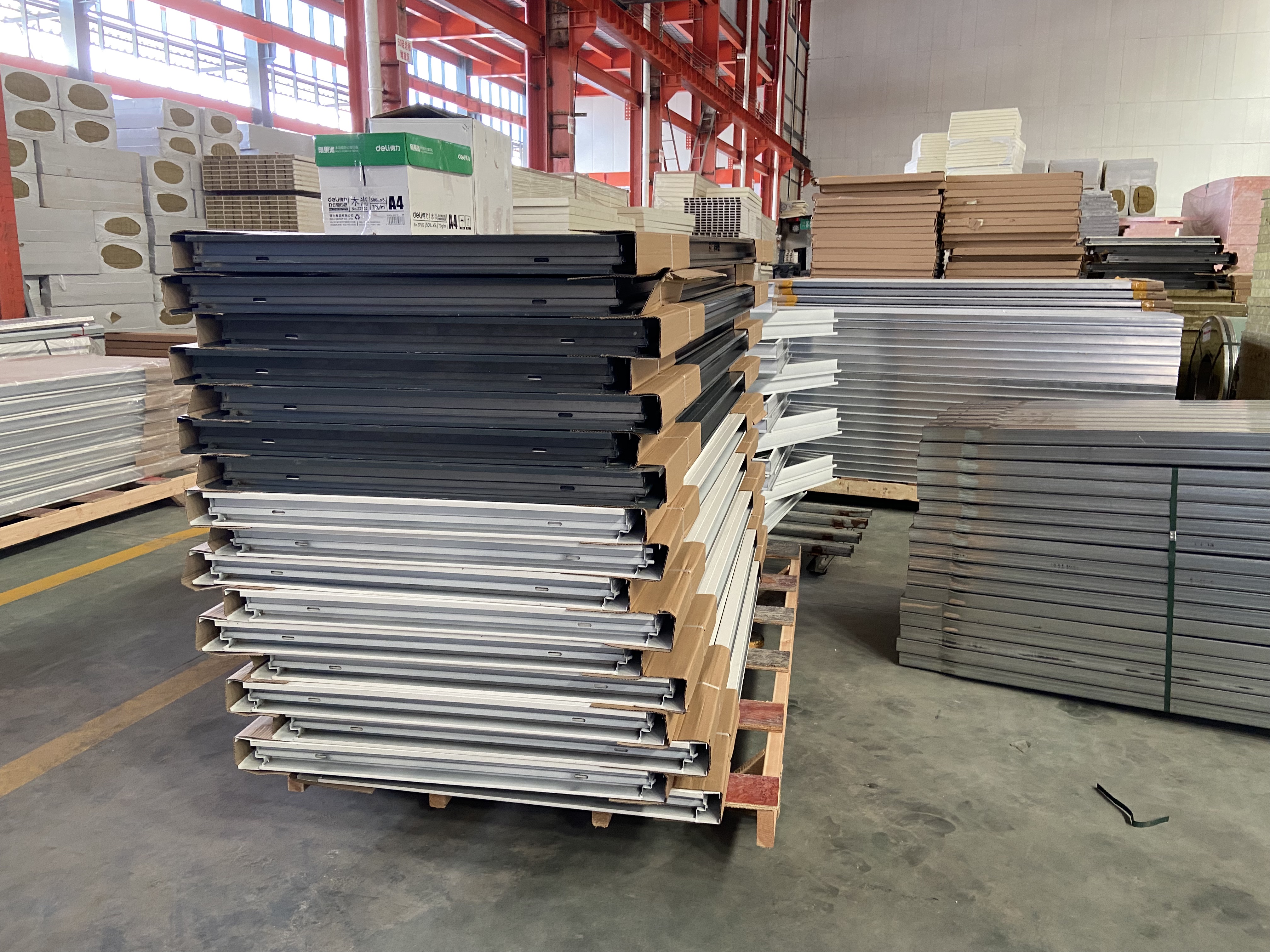
The galvanized steel framework undergoes cold-bending processes that enhance material strength while minimizing weight. This engineering approach achieves a favorable strength-to-weight ratio that facilitates transportation logistics while maintaining structural capacity for vertical stacking. The zero on-site construction waste characteristic emerges naturally from the prefabrication model, as all cutting, fitting, and finishing occurs in controlled factory environments rather than generating field debris.
Economic Advantages Across Project Lifecycles
The financial case for quick-assemble container rooms extends beyond initial acquisition costs. Transportation optimization reduces logistics expenses through standardized dimensions that maximize shipping container utilization. When compared to traditional construction methods requiring multiple material deliveries, equipment mobilization, and extended labor commitments, the total cost of ownership demonstrates substantial advantages.
The high salvage value and reusability factors create economic benefits across the project lifecycle. Construction firms and rental equipment companies report that units maintain structural integrity through multiple deployment cycles, with the bolt-based assembly system facilitating disassembly without component damage. This repeatability transforms temporary housing from a consumable expense into a capital asset with multi-project utility.
Labor cost reduction represents another significant economic factor. The minimal requirement for skilled labor on-site—a direct result of the plug-and-play installation model—reduces both direct wage expenses and indirect costs associated with worker safety, training, and site management complexity.
Application Versatility Across Industry Sectors
The modular nature of quick-assemble container rooms enables deployment across remarkably diverse scenarios. In construction and engineering contexts, these units function as project site offices, worker dormitories, and equipment storage facilities. The rapid installation timeline aligns with the compressed schedules characteristic of modern construction projects, where mobilization speed directly impacts overall project completion dates.
Municipal and government applications leverage the quick-deployment advantage for emergency response units and temporary service buildings. The capacity to establish functional facilities within hours rather than weeks proves particularly valuable during disaster relief operations or rapid infrastructure expansion projects.
The commercial and retail sector has identified opportunities in pop-up retail locations, temporary event facilities, and seasonal business operations. The professional appearance achievable through finishing options, combined with the structural reliability supporting customer-facing applications, extends the utility beyond purely utilitarian construction site functions.
Tourism and hospitality operators utilize these modular units for temporary field lodging and supplementary accommodation capacity. The pre-installed utilities and finished interiors reduce the traditional gap between industrial functionality and guest-suitable comfort standards.
Sustainability Credentials in Modern Construction
Environmental considerations increasingly influence construction methodology selection, and quick-assemble container rooms demonstrate several sustainability advantages. The dry-construction method inherent to prefabricated assembly eliminates water consumption associated with concrete curing and masonry work—a significant factor in water-stressed regions.
The high material recyclability of steel-framed construction, combined with the reusability of complete units, creates circular economy opportunities that traditional demolition and disposal methods cannot match. The reduction in construction waste extends beyond on-site cleanliness to encompass the entire material lifecycle from manufacturing through eventual decommissioning.
The factory-based manufacturing model enables quality control standards and production efficiency levels unattainable in field construction. Controlled environments eliminate weather-related delays and quality variations, while standardized processes ensure consistent performance across production runs.
Comparative Advantages in the Container Housing Segment
Within the broader category of modular and container-based housing solutions, quick-assemble variants occupy a specific performance niche. While foldable container designs prioritize extreme logistics efficiency through volume reduction during transport, and package container houses emphasize superior structural rigidity for longer-term deployment, quick-assemble models balance installation speed with functional completeness.
The efficiency advantage over traditional panel construction stems from the integration of components at the manufacturing stage rather than requiring assembly of discrete wall, roof, and floor sections on-site. This pre-integration reduces both installation time and the skill level required from field personnel.
Compared to fully welded container conversions, the bolt-assembly approach provides flexibility for configuration modifications and simplifies maintenance over the operational lifespan. Components experiencing wear or damage can be replaced without specialized welding equipment or certified welders—practical advantages for remote deployment locations.
Future Trajectory of Modular Construction Solutions
The adoption curve for quick-assemble container rooms reflects broader industry movement toward industrialized construction methodologies. As labor availability constraints intensify in developed markets and project timeline pressures increase globally, the value proposition of prefabricated solutions strengthens correspondingly.
Technological integration opportunities continue emerging, with potential for enhanced building management systems, renewable energy integration, and smart facility capabilities that leverage the standardized platform these modular units provide. The combination of established structural performance with evolving technological capabilities positions quick-assemble container rooms as an increasingly sophisticated solution rather than merely a utilitarian alternative.
The geographic coverage expansion into export markets demonstrates the scalability of the manufacturing model and the universal applicability of the core value proposition—rapid deployment, cost optimization, and operational flexibility transcend regional construction practice variations.
Conclusion: Defining Next-Generation Temporary and Semi-Permanent Facilities
Quick-assemble container rooms represent a maturation point in modular construction technology, where manufacturing efficiency, structural engineering, and practical deployment requirements converge into commercially viable solutions. The combination of half-day installation timelines, zero construction waste generation, and multi-cycle reusability addresses the core challenges facing construction project managers, municipal planners, and commercial operators alike.
As the global construction industry continues its transition toward prefabricated and modular methodologies, quick-assemble container houses demonstrate that temporary facilities need not compromise on quality, durability, or functionality. The comprehensive integration of utilities and finishes at the factory level, coupled with the simplified field assembly process, establishes a new baseline for what rapid-deployment housing can achieve in terms of both performance and economic value.
www.safetycontainer.com
Suzhou Guxin Steel Structure Co., Ltd