In mechanical power transmission systems, reliability is defined by how effectively motion is transferred under load, speed variation, and environmental stress. Among all chain drive components, Sprockets play a decisive role in ensuring synchronized motion, torque transfer efficiency, and system durability.
Although sprockets appear structurally simple, their performance is governed by precise engineering parameters including tooth geometry, pitch accuracy, material hardness, surface treatment, and alignment tolerances. In industrial environments such as mining equipment, cement plants, steel processing lines, marine systems, and chemical machinery, sprocket failure can lead to unplanned downtime, accelerated chain wear, and system inefficiency.
China Special Metal Group Limited (CSM), as a specialized supplier of cast steel components and precision machining products, focuses on producing industrial-grade sprockets designed for high-load, high-wear applications where reliability is critical.
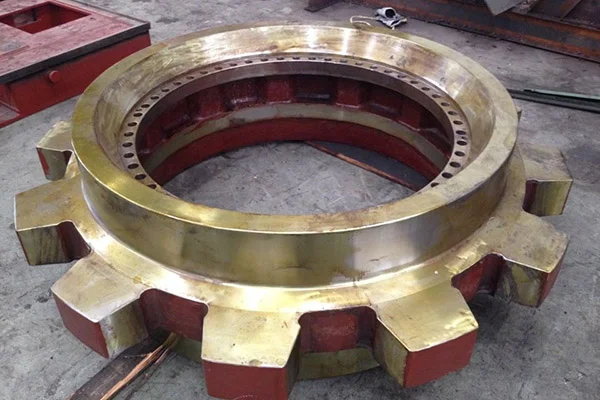
The functional role of sprockets in power transmission systems
A sprocket is a toothed mechanical wheel that engages with a chain to transmit rotational motion between shafts. Unlike friction-based systems such as belt drives, sprockets rely on positive engagement, which ensures:
-
No slip under load
-
Accurate speed ratio control
-
High torque transmission capability
However, this also means that wear, misalignment, or pitch mismatch directly affects system performance.
Typical applications include:
-
Conveyor systems in mining and bulk material handling
-
Cement kiln drive systems
-
Steel rolling and forming machinery
-
Agricultural processing equipment
-
Marine deck machinery
In each case, sprockets must maintain consistent engagement under dynamic loads and harsh operating conditions.
Key design parameters of industrial sprockets
Tooth geometry and pitch accuracy
Tooth geometry is the most critical factor in sprocket performance.
Key parameters include:
-
Pitch diameter accuracy within tight tolerances
-
Tooth profile consistency (ANSI, ISO, or DIN standards)
-
Proper root radius to reduce stress concentration
Even small deviations in pitch can cause:
-
Chain vibration
-
Uneven load distribution
-
Accelerated wear on both sprocket and chain
For high-load applications, pitch accuracy is typically controlled within ±0.05 mm or tighter depending on system requirements.
Number of teeth and torque characteristics
The number of sprocket teeth directly influences:
-
Torque transmission smoothness
-
Chain articulation frequency
-
Wear distribution across teeth
Design considerations:
-
Small sprockets (fewer teeth): higher torque fluctuation, faster wear
-
Larger sprockets: smoother operation, reduced wear rate
In industrial systems, a minimum of 17–19 teeth is often recommended to reduce polygonal effect and improve chain life.
Material selection and mechanical strength
Sprocket performance is heavily dependent on material strength and hardness.
Common materials include:
Cast steel (primary industrial choice):
-
High load-bearing capacity
-
Excellent impact resistance
-
Suitable for heavy-duty applications
Alloy steel (heat-treated):
-
Higher surface hardness
-
Improved wear resistance
-
Suitable for high-speed systems
Carbon steel (general applications):
-
Cost-effective
-
Moderate strength and wear resistance
CSM specializes in cast steel sprockets designed for high-stress industrial environments where impact loads and continuous operation are common.
Heat treatment and surface hardness optimization
Wear resistance is critical for sprocket longevity.
Typical hardness ranges:
-
Standard applications: 35–45 HRC
-
Heavy-duty applications: 45–55 HRC
-
Surface-hardened sprockets: up to 60 HRC (case hardened layer)
Heat treatment processes include:
-
Quenching and tempering
-
Induction hardening of tooth surfaces
-
Carburizing for deep case hardness
Proper heat treatment ensures:
-
Reduced tooth wear
-
Improved fatigue resistance
-
Longer service life under abrasive conditions
Load distribution and failure mechanisms
Sprockets operate under cyclic loading conditions, which introduces fatigue-related failure risks.
Common failure modes include:
Tooth wear
Caused by:
-
Inadequate lubrication
-
Abrasive particles in environment
-
Misalignment with chain
Result:
-
Increased chain slack
-
Reduced transmission efficiency
Tooth deformation
Caused by:
-
Excessive torque overload
-
Material fatigue
-
Poor heat treatment
Result:
-
Chain skipping
-
Loss of synchronization
Surface pitting and spalling
Caused by:
-
Repeated contact stress
-
Inadequate hardness depth
-
Poor lubrication
Result:
-
Progressive surface degradation
Understanding these mechanisms is essential for selecting the correct sprocket design and material.
Chain and sprocket matching considerations
Sprocket performance cannot be evaluated independently from chain selection.
Key matching factors include:
-
Pitch compatibility between chain and sprocket
-
Load rating alignment
-
Lubrication requirements
-
Operating speed range
Mismatch between chain and sprocket specifications leads to:
-
Accelerated wear
-
Noise and vibration
-
Reduced system efficiency
Alignment and installation accuracy
Even a perfectly manufactured sprocket will fail prematurely if installation is incorrect.
Critical installation parameters:
-
Shaft alignment within permissible angular tolerance
-
Parallelism between driven and driving shafts
-
Proper torque tightening of mounting hubs
Misalignment leads to:
-
Uneven tooth loading
-
Increased chain wear
-
Vibration and noise
Industrial systems often use laser alignment tools to ensure precision installation.
Lubrication and operational environment
Lubrication plays a major role in sprocket lifespan.
Lubrication methods include:
-
Manual lubrication for low-speed systems
-
Drip lubrication for moderate-speed conveyors
-
Forced lubrication for high-speed or heavy-load systems
Environmental factors affecting performance:
-
Dust and particulate contamination (mining, cement plants)
-
Moisture and corrosion (marine environments)
-
High temperature exposure (steel processing)
Proper sealing and lubrication strategies significantly extend sprocket life.
Application-specific sprocket design considerations
Mining and bulk material handling
Requirements:
-
High impact resistance
-
Abrasion-resistant surfaces
-
Large pitch chains and heavy loads
Design focus:
-
Reinforced tooth structure
-
Thick hub sections
-
Hardened working surfaces
Cement and construction industry
Requirements:
-
Continuous operation under dust-heavy environments
-
High torque transmission
-
Resistance to abrasive wear
Design focus:
-
Surface hardening
-
Protective coatings
-
Robust material selection
Marine and offshore systems
Requirements:
-
Corrosion resistance
-
Long maintenance intervals
-
Reliable performance in humid conditions
Design focus:
-
Anti-corrosion coatings
-
Alloy steel or treated surfaces
-
Sealed bearing interfaces
Manufacturing process and quality control
High-quality sprockets require precise manufacturing processes.
Typical production steps:
-
Casting or forging of raw blank
-
CNC machining of tooth profile
-
Heat treatment for hardness optimization
-
Final finishing and inspection
Quality control methods include:
-
Dimensional inspection using CMM systems
-
Hardness testing across tooth surfaces
-
Surface roughness measurement
-
Load simulation testing
CSM integrates precision machining and strict inspection processes to ensure consistency across production batches.
Cost-performance optimization in sprocket selection
Selecting a sprocket is not only a technical decision but also an economic one.
Cost factors include:
-
Material grade and heat treatment level
-
Manufacturing precision requirements
-
Expected service life
-
Maintenance frequency
Higher-quality sprockets typically reduce:
-
Downtime costs
-
Chain replacement frequency
-
Maintenance labor requirements
This leads to lower total lifecycle cost despite higher initial investment.
Future trends in sprocket engineering
Industrial sprocket design is evolving toward:
-
Advanced wear-resistant coatings (nano-ceramic layers, DLC coatings)
-
Lightweight high-strength alloy materials
-
Digital monitoring of wear conditions
-
Integration with predictive maintenance systems
These innovations aim to extend service life and reduce unplanned downtime in critical systems.
Conclusion: sprockets as precision components in heavy-duty systems
Although often perceived as simple mechanical parts, Sprockets are precision-engineered components that directly influence the efficiency, reliability, and safety of industrial power transmission systems.
Their performance depends on a combination of material selection, tooth geometry, heat treatment, alignment accuracy, and operational environment. When properly engineered and applied, sprockets ensure stable torque transmission and long-term system reliability even under extreme working conditions.
With its expertise in cast steel manufacturing and precision machining, China Special Metal Group Limited (CSM) delivers sprocket solutions designed for demanding industrial environments—where durability, accuracy, and performance are essential to continuous operation.
www.special-metal.com
China Special Metal Group Limited (CSM)