In textile production, drying is often treated as a routine step—but in reality, it’s one of the most critical stages affecting both product quality and production efficiency.
For manufacturers working with package yarn dyeing, the challenge is clear: how to remove internal moisture quickly and evenly without damaging the yarn or increasing energy costs. Traditional drying methods are increasingly struggling to meet these demands.
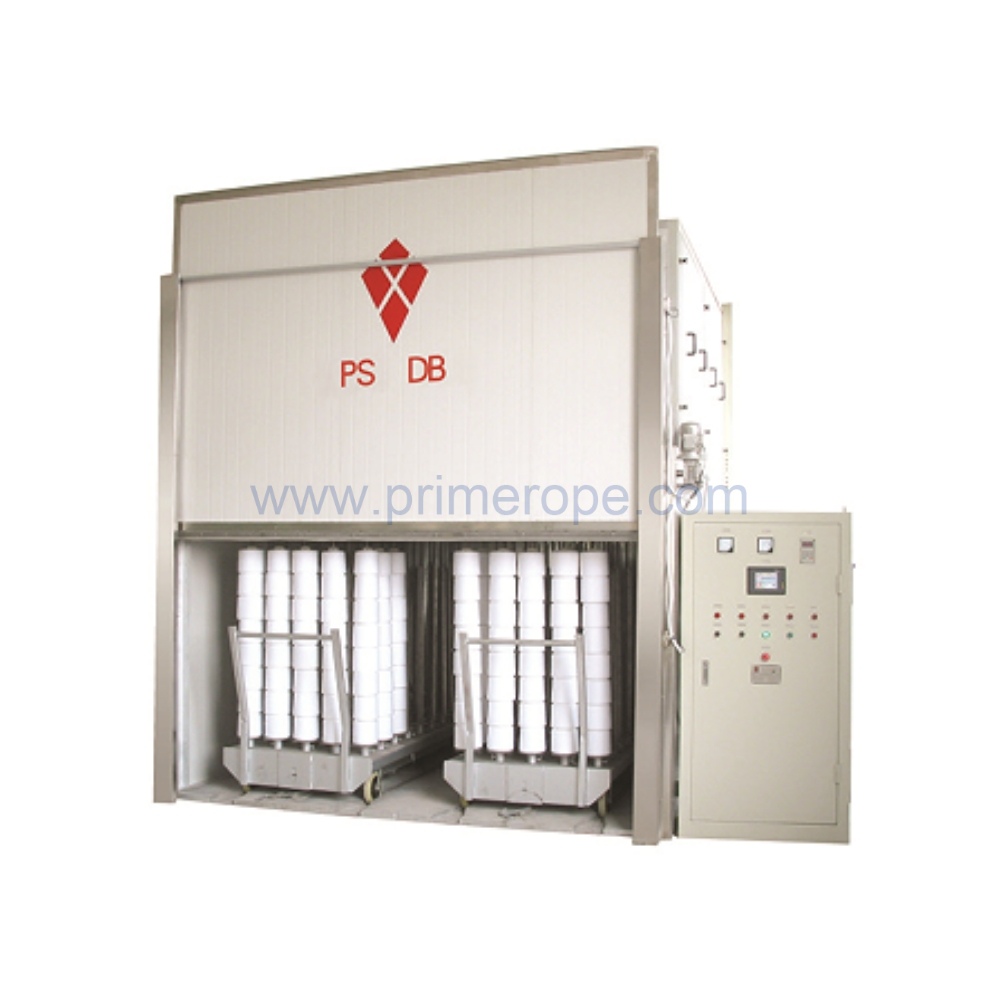
This is where advanced systems like the DB-I Series Rapid Package Dryer come into play.
Why Yarn Drying Is More Important Than You Think
After dyeing, yarn packages hold a significant amount of moisture deep inside the fibers. If drying is not done properly, it can lead to several real production problems:
-
Uneven color fixation
-
Batch-to-batch inconsistency
-
Reduced yarn strength
-
Longer production cycles
-
Higher downstream energy consumption
In many factories, these issues don’t come from dyeing itself—but from poor drying control.
The Limitation of Traditional Drying Methods
Conventional drying systems typically rely on:
-
High-temperature exposure
-
Inefficient airflow circulation
-
Long drying times
The result?
-
Outer layers dry faster than inner layers
-
Risk of overheating or fiber damage
-
Energy waste due to heat loss
-
Inconsistent final moisture content
For modern textile production, this approach is no longer efficient or reliable.
What Makes the DB-I Series Different
The DB-I Series Rapid Package Dryer is designed with one clear goal: uniform and efficient drying from the inside out.
Instead of simply heating the yarn, it focuses on how air moves through the package.
Core working principle:
-
Controlled hot air circulation
-
Low-pressure airflow penetration
-
Continuous moisture extraction
-
Balanced temperature distribution
This ensures that moisture is removed evenly across the entire yarn package—not just the surface.
Hot Air Circulation: The Key to Efficiency
One of the most practical improvements in the DB-I system is its closed-loop hot air circulation design.
Why this matters:
1. More stable temperature
Recycled hot air reduces fluctuations, which helps maintain consistent drying conditions.
2. Lower energy consumption
Instead of constantly heating new air, the system reuses existing heat—cutting down energy waste.
In real factory conditions, this translates into more predictable results and better cost control.
Moisture Removal Is Just as Important as Heating
Drying is not only about applying heat—it’s about removing moisture effectively.
The DB-I Series includes a dedicated moist air discharge system, which:
-
Continuously removes saturated air
-
Prevents moisture from condensing back onto the yarn
-
Eliminates uneven drying zones
This is especially important for dense yarn packages where internal moisture tends to get trapped.
Real Impact on Yarn Quality
From a production standpoint, drying quality directly affects the final product.
With controlled drying, manufacturers can achieve:
-
Consistent moisture content across batches
-
Better color stability after dyeing
-
Reduced fiber stress and deformation
-
Improved performance in winding and finishing
For high-end textiles, this level of consistency is not optional—it’s required.
Faster Cycles, Higher Output
Drying time is a hidden bottleneck in many dyeing lines.
The DB-I Series helps reduce cycle time by:
-
Accelerating internal moisture evaporation
-
Reducing waiting time between processes
-
Supporting continuous production flow
This allows factories to increase throughput without expanding equipment footprint.
Easy Integration into Existing Production Lines
Another practical advantage is system compatibility.
The DB-I Series is designed to work with existing package dyeing systems, making it suitable for:
-
Upgrading older production lines
-
Expanding capacity without major layout changes
-
Handling different yarn types and densities
This flexibility is important for manufacturers managing diverse product portfolios.
Energy Efficiency Is No Longer Optional
Energy cost is one of the biggest concerns in textile production today.
The DB-I Series addresses this through:
-
Heat recycling technology
-
Reduced thermal loss
-
Optimized airflow design
The result:
-
Lower overall energy consumption
-
Reduced environmental impact
-
More sustainable production operations
For factories aiming to meet energy regulations or sustainability goals, this is a key advantage.
Built for Industrial Reliability
In real production environments, equipment must handle:
-
Continuous operation
-
High workload
-
Variable production conditions
The DB-I Series is designed with:
-
Stable structural engineering
-
Uniform airflow distribution
-
Reliable temperature control
-
Durable moisture discharge systems
This ensures long-term performance with minimal downtime.
About Dongbao Dyeing Machine
Wuxi Dongbao Machinery Co., Ltd has over 20 years of experience in textile machinery manufacturing, specializing in:
-
Package yarn dyeing systems
-
Fabric dyeing equipment
-
Loose fiber processing machines
-
Energy-saving textile solutions
With customers across multiple regions, the company focuses on delivering equipment that works not just in theory—but in real factory conditions.
Final Thoughts
In modern textile manufacturing, drying is no longer a secondary step—it’s a performance-critical process.
The DB-I Series Rapid Package Dryer stands out because it focuses on what truly matters:
-
Even moisture removal
-
Stable temperature control
-
Energy-efficient operation
-
Consistent product quality
For manufacturers looking to improve both efficiency and output quality, upgrading the drying system is one of the most practical and impactful decisions.
www.primerope.com
Dongbao Machinery