Walk into any wine shop and you’ll immediately notice one thing—choice overload. Shelves are packed with dozens (sometimes hundreds) of bottles competing for attention. In that moment, before anyone tastes a drop, one factor often decides which bottle gets picked up:
The label.
In today’s competitive wine market, a label is no longer just decoration—it’s a powerful branding and marketing tool that directly influences buying decisions.
First Impressions Happen in Seconds
Most consumers don’t spend minutes analyzing wine—they decide within seconds.
A well-designed label instantly communicates:
-
Brand personality
-
Price positioning (premium vs everyday)
-
Style (classic, modern, organic, etc.)
-
Target audience
If your label doesn’t catch attention quickly, your product may never get a chance.
Wine Labels as a Brand Identity Tool
Your wine label is essentially your brand’s “face” on the shelf.
Here’s how design builds identity:
Typography & Layout
Elegant serif fonts may signal tradition and heritage, while clean modern fonts suggest innovation and minimalism.
Color Strategy
-
Dark tones → richness, depth, premium feel
-
Light tones → freshness, elegance, approachability
Finishing Details
Techniques like foil stamping, embossing, or textured paper add a premium touch and make your product feel more valuable.
Material Matters
High-quality paper and printing don’t just look better—they feel better, reinforcing the perception of quality.
Together, these elements create a visual identity that customers can recognize and remember.
How Labels Influence Perceived Value
Let’s be honest—many consumers judge wine before tasting it.
A high-quality label can:
-
Make a product appear more premium
-
Justify a higher price point
-
Build trust in the brand
-
Encourage first-time purchases
On the flip side, a poorly printed or generic label can undermine even a great product.
It’s Not Just About Looks: Performance Matters Too
A wine label has to do more than look good—it needs to perform in real-world conditions.
Key requirements include:
-
Strong adhesion: Must stick firmly to glass, even in cold or humid storage
-
Durability: Should resist moisture, handling, and temperature changes
-
Print clarity: Text and colors must remain sharp over time
-
Easy application: Especially important for automated bottling lines
A label that peels, fades, or smudges can damage brand perception instantly.
The Role of Modern Printing Technology
Today’s wine labels benefit from advanced production techniques that combine beauty with consistency.
Popular methods include:
-
Foil stamping for metallic accents
-
Embossing for texture
-
High-resolution color printing
-
UV coating for protection
These technologies help brands stand out while maintaining production efficiency.
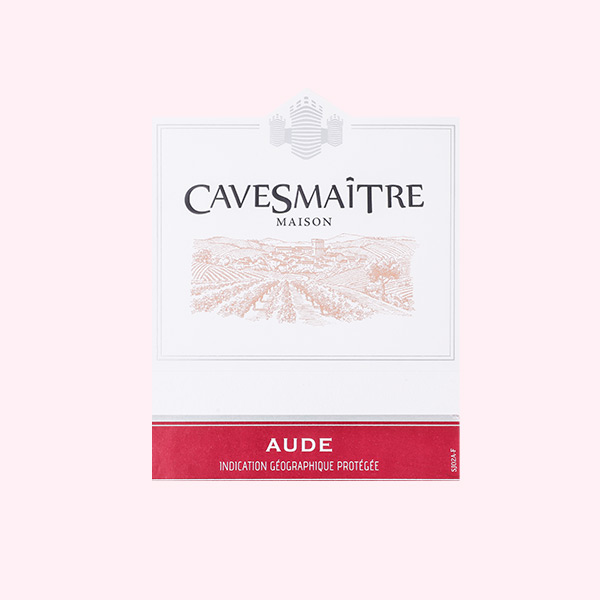
Customization = Competitive Advantage
In a crowded market, being different matters.
Custom wine labels allow brands to:
-
Tell a unique story
-
Launch seasonal or limited editions
-
Adapt designs for different markets
-
Support private label or OEM projects
Customization isn’t just a design choice—it’s a business strategy.
Consistency Across Markets
For wineries selling internationally, consistency is critical.
High-quality labels ensure:
Uniform branding across batches
Compliance with regional regulations
Consistent customer experience worldwide
This is especially important for building long-term global brand recognition.
Sustainability Is Becoming a Key Factor
Consumers are increasingly paying attention to sustainability.
Modern labeling solutions can support this through:
Eco-friendly materials
Efficient production processes
Reduced waste
Longer-lasting durability
Sustainable packaging isn’t just good for the planet—it’s good for brand image.
Building Trust Through Details
Small details make a big difference.
A high-quality label signals:
Professionalism
Reliability
Attention to detail
Over time, these signals build trust—and trust drives repeat purchases.
What’s Next for Wine Labels?
The future of wine labeling is getting more innovative:
QR codes for digital storytelling
Anti-counterfeiting features
Interactive packaging experiences
More personalized designs
Labels are evolving from static visuals into dynamic brand tools.
Final Thoughts
In today’s wine industry, a label is far more than a sticker—it’s a silent salesperson.
A well-designed, high-quality wine label can:
Capture attention
Communicate brand value
Influence buying decisions
Strengthen long-term brand identity
For wineries and distributors, investing in premium labeling isn’t optional—it’s a strategic move.
Because in a crowded market, the bottle that stands out…
is the one that gets opened.
www.worldbridgeco.com
WorldBridge