Modern electrical systems face increasing demands for efficiency, safety, and adaptability. Traditional wiring and distribution methods often fall short when it comes to meeting the evolving needs of commercial, industrial, and large-scale residential facilities. To overcome these challenges, engineers and facility managers are turning to Power Bus Ways as a reliable, modular, and future-ready solution. Boltech, a leading provider of high-quality busway systems, has developed solutions that combine scalability, flexibility, and operational efficiency.
1. Understanding Power Bus Ways
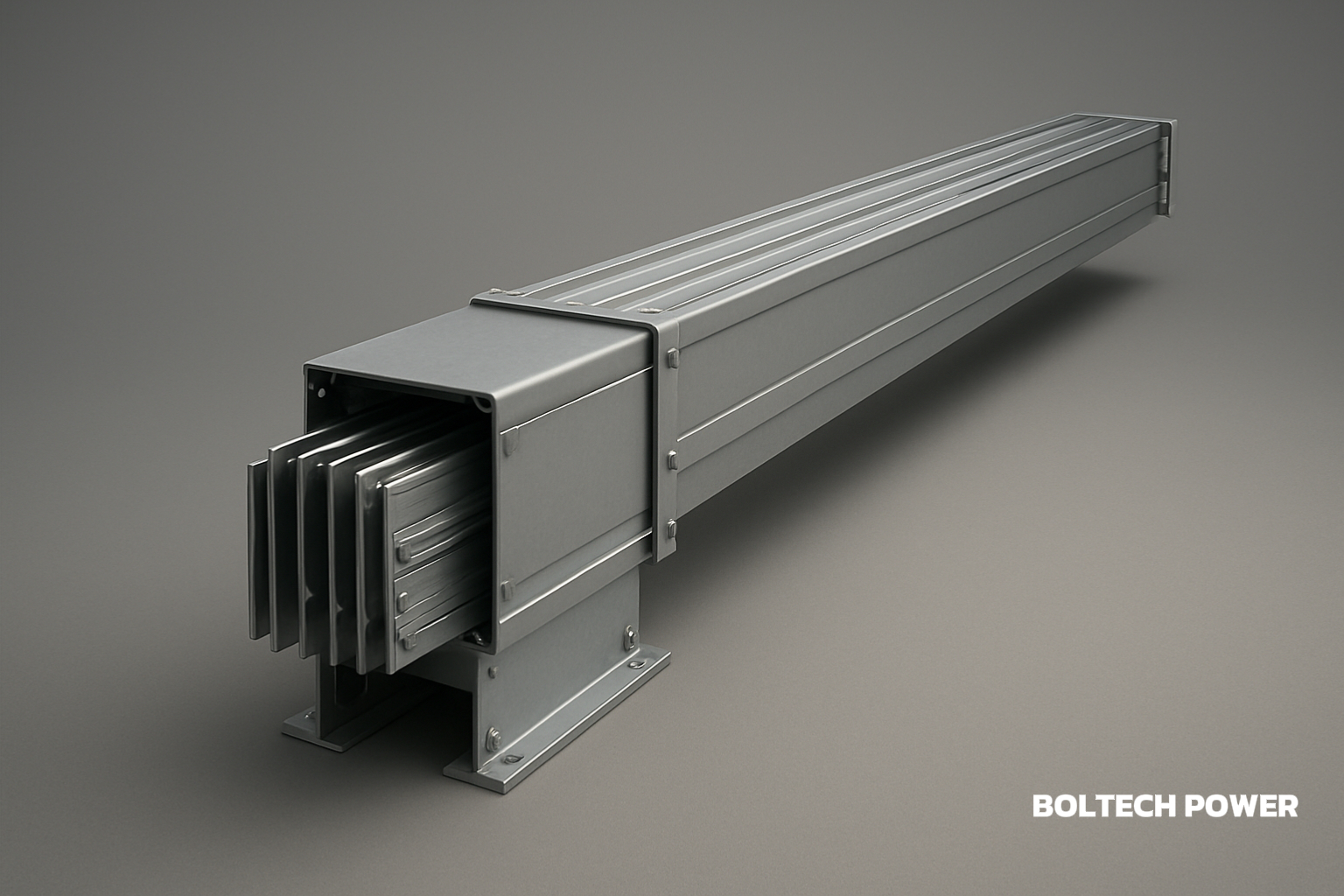
A Power Bus Way is a prefabricated electrical distribution system composed of copper or aluminum conductors encased in a protective housing. Unlike conventional cable-based systems, bus ways distribute power along a continuous pathway with modular tap-off points, allowing for easier load management and system expansion.
Key benefits of Power Bus Ways include:
Reduced installation complexity
Enhanced flexibility for future expansions
Efficient and reliable power distribution
By offering a modular design, bus ways allow electrical systems to adapt to changes without major rewiring or downtime.
2. Scalability for Growing Facilities
One of the primary advantages of Power Bus Ways is their scalability. As facilities grow or their energy demands increase, traditional electrical systems often require extensive rewiring. Busway systems simplify this process by:
Allowing additional tap-off units to be added seamlessly
Supporting load redistribution without interrupting existing circuits
Reducing downtime during upgrades or expansions
This feature is particularly valuable for large-scale commercial complexes, data centers, and industrial facilities, where power demands can change rapidly and unpredictably.
3. Flexibility in Design and Layout
Unlike rigid traditional wiring, Power Bus Ways provide significant design flexibility. Modular components such as straight sections, elbows, and connectors can be combined to accommodate complex architectural layouts. Benefits include:
Quick adaptation to changes in facility layout
Easier integration with ceilings, walls, and structural elements
The ability to reroute power efficiently without major reconstruction
Boltech ensures that its Power Bus Way systems support multiple configurations, enabling architects and engineers to design electrical layouts tailored to specific facility requirements.
4. Streamlined Installation Process
Installation efficiency is a key advantage of busway systems. Prefabricated sections reduce the need for on-site assembly, and modular tap-offs make connecting loads straightforward. Key installation benefits include:
Faster project completion
Reduced labor intensity and risk of errors
Minimal disruption to existing operations
Busways are ideal for facilities with tight project timelines or complex installations, providing a clean and organized solution for power distribution.
5. Enhanced Safety and Reliability
Safety is a critical consideration in any electrical system. Power Bus Ways offer several advantages over conventional wiring:
Enclosed conductors prevent accidental contact
Uniform current distribution reduces overheating risks
High-quality materials ensure consistent performance over time
Boltech prioritizes safety in all Power Bus Way designs, complying with industry standards and delivering long-term reliability for high-demand environments.
6. Space Efficiency
With growing pressure to maximize usable space, Power Bus Ways offer a compact and organized solution. Unlike bulky cable trays, busways can be mounted along ceilings, walls, or integrated into structural frameworks. Benefits include:
Reducing the physical footprint of electrical distribution
Freeing up floor space for operational use
Allowing easier access for maintenance and inspection
This space-saving design is especially useful in industrial plants, commercial offices, and other facilities where efficient use of space is critical.
7. Simplified Maintenance
Maintenance is more straightforward with Power Bus Ways due to their modular nature. Individual sections or tap-offs can be serviced without shutting down the entire system. Advantages include:
Minimal operational disruption
Lower maintenance costs
Quick troubleshooting and replacement of components
For continuous operations like manufacturing plants or data centers, this capability significantly reduces downtime and increases overall productivity.
8. Energy Efficiency and Load Management
Energy efficiency is another area where busway systems excel. Designed with low-resistance conductors and consistent load distribution, Power Bus Ways reduce energy loss compared to conventional wiring. Additional benefits include:
Support for balanced electrical loads
Compatibility with modern energy monitoring systems
Enhanced predictive maintenance through real-time monitoring
By implementing Power Bus Ways, facilities can achieve more efficient power usage and better control over operational costs.
9. Integration with Smart Systems
Smart building technology and Industry 4.0 applications demand adaptable electrical infrastructure. Power Bus Ways can integrate with sensors, monitoring devices, and automation systems, enabling:
Real-time load monitoring
Predictive maintenance alerts
Seamless energy management and system control
Boltech’s solutions are designed to support smart infrastructure initiatives, ensuring that facilities remain future-ready while maintaining operational efficiency.
10. Reliable Solution for Modern Facilities
In today’s rapidly evolving building and industrial environments, electrical systems must be both adaptable and dependable. Power Bus Ways provide:
Scalable distribution for growing facilities
Flexible layout options for complex designs
Reduced installation and maintenance complexity
Reliable performance under high-load conditions
Boltech’s commitment to quality ensures that clients receive systems that deliver both immediate and long-term benefits. For facilities looking to modernize or expand their electrical infrastructure, Power Bus Ways offer a practical and sustainable solution.
Conclusion
As electrical demands increase and facility layouts evolve, traditional wiring methods often become a bottleneck. Power Bus Ways address these challenges by providing scalable, flexible, and reliable power distribution. Boltech’s modular systems simplify installation, reduce maintenance requirements, and integrate seamlessly with modern building technologies. Choosing a Power Bus Way system is a forward-looking investment in both efficiency and future adaptability.
www.boltechpower.com
Boltech