In modern steelmaking and metal refining, efficiency is no longer just about speed—it’s about precision, consistency, and minimizing waste. Secondary metallurgy, which involves refining molten metal after the primary smelting process, plays a critical role in achieving the desired chemical composition and material properties. Among the technologies that have significantly improved this stage, cored wire injection stands out as a practical and reliable solution.
By enabling precise addition of alloying elements and treatment agents, cored wire helps metallurgical operations achieve better control, reduce material loss, and enhance overall productivity. For a closer look at available options, you can explore thiscored wire.
What Is Cored Wire?
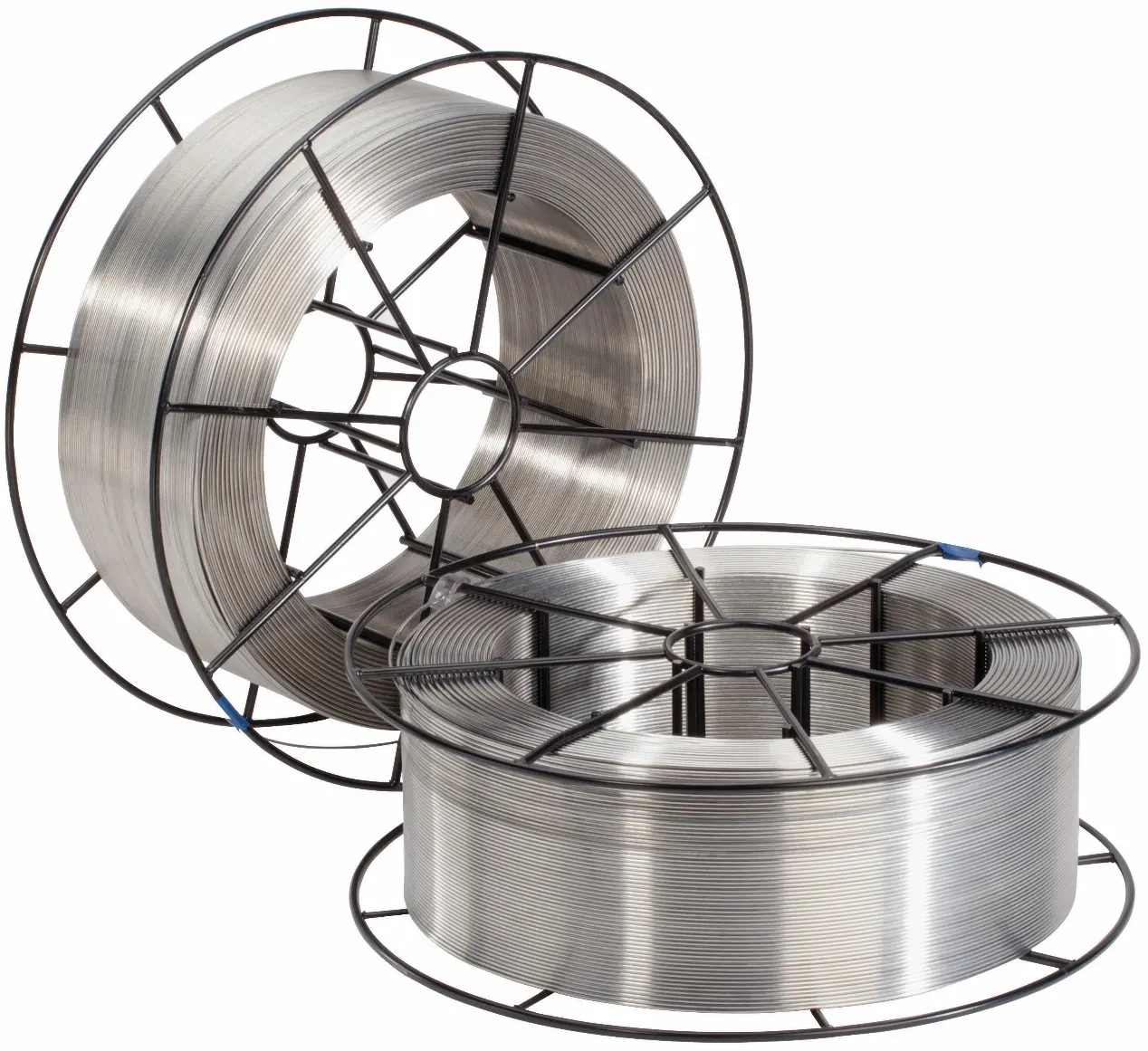
Cored wire is a composite wire consisting of a metal sheath filled with powdered materials such as alloys, fluxes, or treatment agents. It is injected into molten metal during secondary metallurgy processes to deliver additives directly into the melt.
Unlike traditional bulk addition methods, cored wire ensures that materials are introduced precisely where they are needed, improving both efficiency and effectiveness.
The Role of Secondary Metallurgy
Secondary metallurgy occurs after the initial melting process and focuses on refining the molten metal to meet strict quality standards. This stage includes:
Adjusting chemical composition
Removing impurities
Controlling temperature
Improving inclusion morphology
The accuracy of these processes directly affects the final product’s mechanical properties, making efficient material addition essential.
How Cored Wire Enhances Efficiency
1. Precise Alloy Addition
One of the biggest challenges in metallurgy is ensuring that alloying elements are added in the correct proportions. Traditional methods often result in uneven distribution or oxidation losses.
Cored wire injection solves this by:
Delivering additives directly into the molten metal
Reducing exposure to air and minimizing oxidation
Ensuring consistent chemical composition
This level of precision is especially important in producing high-grade steel and specialty alloys.
2. Improved Recovery Rate
Material recovery rate refers to how much of the added material actually becomes part of the final product. In conventional addition methods, a significant portion of alloys can be lost due to oxidation or slag formation.
Cored wire improves recovery by:
Injecting materials deep into the molten bath
Protecting additives within the wire sheath
Reducing waste and improving cost efficiency
Higher recovery rates mean better resource utilization and more predictable production outcomes.
3. Enhanced Desulfurization and Deoxidation
Removing impurities such as sulfur and oxygen is essential for improving steel quality. Cored wire enables controlled addition of desulfurizing and deoxidizing agents.
Benefits include:
Faster reaction times
More effective impurity removal
Improved steel cleanliness
This results in stronger, more reliable materials suitable for demanding applications.
4. Reduced Processing Time
Efficiency in metallurgy also means reducing processing time without compromising quality. Cored wire injection allows for faster and more controlled reactions within the molten metal.
This leads to:
Shorter refining cycles
Increased production throughput
Better utilization of equipment
For high-volume operations, these time savings translate into significant operational advantages.
Practical Applications
Cored wire is widely used across different metallurgical processes, each benefiting from its precision and efficiency.
Steel Production
In steelmaking, cored wire is used for:
Alloying element addition
Calcium treatment for inclusion modification
Sulfur control
These processes improve steel quality and consistency.
Foundries
Foundries use cored wire to control the composition of cast iron and other alloys, ensuring that final products meet strict specifications.
Specialty Alloys
High-performance materials require precise control over composition. Cored wire enables accurate addition of rare or sensitive elements, supporting the production of advanced alloys.
Advantages Over Traditional Methods
Compared to bulk addition or manual feeding, cored wire offers several clear advantages:
Higher precision in material addition
Reduced material loss due to oxidation
Improved safety by minimizing manual handling
Better process control through automated systems
These benefits make cored wire an essential tool in modern metallurgical operations.
Selecting the Right Cored Wire
Choosing the right cored wire depends on your specific process requirements. Key factors to consider include:
Core Material
Different applications require different filling materials, such as:
Calcium silicon
Ferroalloys
Fluxes
The choice depends on the desired metallurgical effect.
Wire Diameter and Composition
The diameter and sheath material affect feeding speed, penetration depth, and overall performance.
Compatibility with Equipment
Ensure the cored wire is compatible with your injection system and process conditions.
Kennametal Stellite offers a range of cored wire solutions designed to meet diverse metallurgical needs, providing consistent quality and performance.
Operational Best Practices
To maximize the benefits of cored wire, consider these practical tips:
Maintain proper injection speed and depth
Monitor process parameters closely
Use high-quality wire to ensure consistency
Train operators on correct handling and usage
These steps help ensure optimal performance and minimize potential issues.
Why Choose Kennametal Stellite
Kennametal Stellite is known for its expertise in advanced materials and metallurgical solutions. Their cored wire products are designed to deliver reliable performance in demanding environments.
Key Strengths
Consistent product quality
Wide range of core materials and specifications
Technical support for process optimization
Proven performance in industrial applications
By working with an experienced supplier, metallurgical operations can achieve better efficiency and product quality.
Conclusion
Cored wire has become an indispensable tool in secondary metallurgy, offering a practical solution for improving efficiency, precision, and material utilization. By enabling controlled addition of alloying elements and treatment agents, it helps producers achieve consistent results while reducing waste and processing time.
For modern metallurgical operations aiming to stay competitive, adopting advanced solutions like cored wire is not just beneficial—it’s essential. Partnering with trusted suppliers such as Kennametal Stellite ensures access to high-quality products and technical expertise that support long-term success.
www.sh-stellite.com
Kennametal Stellite