In warehouse operations, efficiency is often determined by how well materials are organized, stored, and accessed. While automation and software systems receive a lot of attention, the physical infrastructure—especially storage solutions—plays an equally important role. Among these, raw material bins are one of the most overlooked yet essential components.
For manufacturers, distributors, and processing facilities, managing raw materials efficiently can directly impact production timelines, inventory accuracy, and overall operational costs. Raw material bins provide a structured way to store, sort, and handle materials, making them a fundamental part of modern warehouse management.
The Role of Raw Materials in Warehouse Operations
Raw materials are the starting point of any production process. Whether it’s wood, metal parts, plastic components, or bulk goods, these materials need to be readily available and properly stored.
Without a clear storage system:
Materials get misplaced
Handling time increases
Inventory tracking becomes unreliable
Production delays become more frequent
This is where dedicated storage solutions like raw material bins make a significant difference.
What Are Raw Material Bins?
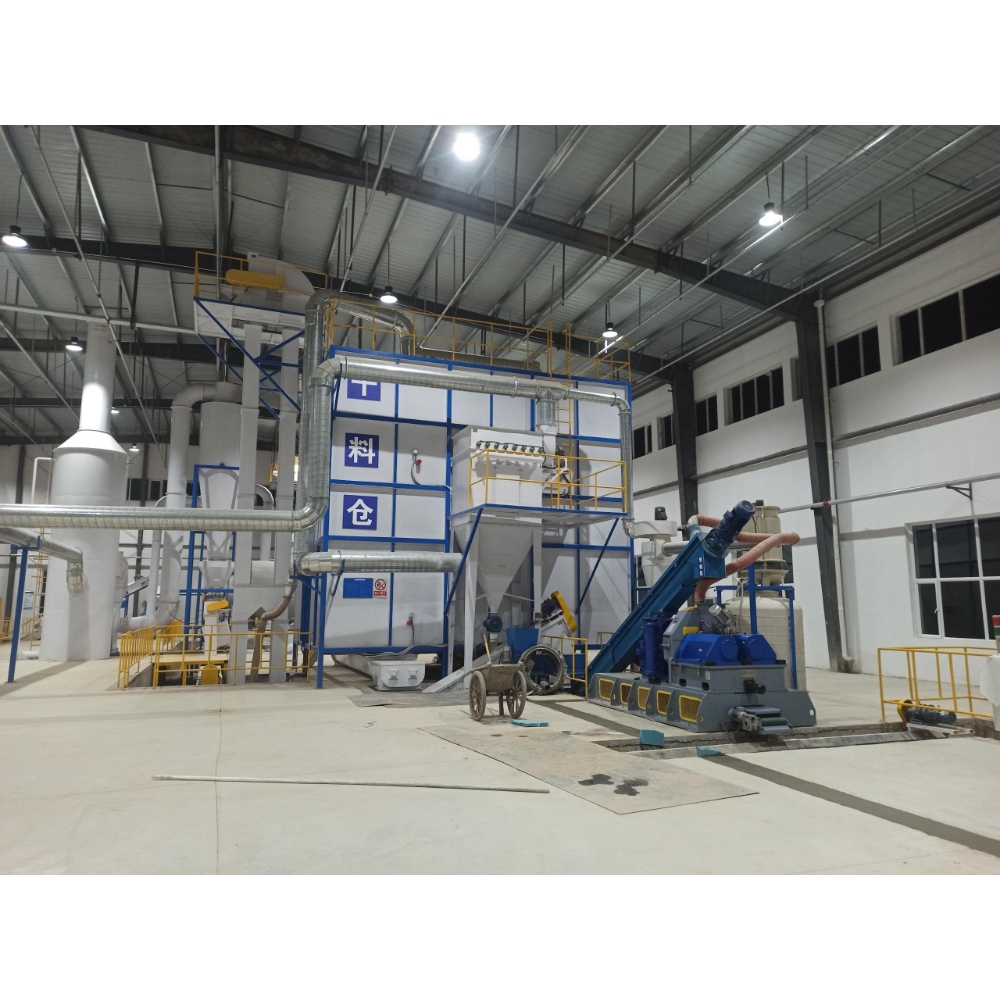
Raw material bins are specialized storage units designed to hold bulk or semi-bulk materials in an organized and accessible way. They are typically used in warehouses, factories, and workshops where materials need to be stored before being processed or assembled.
Depending on the application, these bins can vary in size, structure, and material. However, their primary function remains the same: to improve storage efficiency and material handling.
Improving Organization and Accessibility
One of the most immediate benefits of using raw material bins is improved organization.
Clear Material Segmentation
Bins allow you to separate different types of materials, reducing the risk of mixing or contamination.
Faster Retrieval
When materials are stored in designated bins, workers can locate and retrieve them quickly, reducing downtime.
Visual Management
Clearly labeled bins make it easier to monitor inventory levels and identify shortages at a glance.
In fast-paced warehouse environments, these small improvements can lead to significant time savings.
Enhancing Workflow Efficiency
Efficient warehouse management is closely tied to workflow design. Raw material bins help streamline operations in several ways:
Reduced Handling Time
Instead of searching for materials or moving items multiple times, workers can access what they need directly from organized bins.
Better Process Flow
Materials can be arranged according to production stages, ensuring a smooth transition from storage to processing.
Compatibility with Equipment
Many bins are designed to work with forklifts, pallet jacks, or conveyor systems, making them easier to integrate into existing workflows.
Supporting Inventory Accuracy
Accurate inventory management is critical for avoiding both shortages and overstocking.
Easier Counting and Tracking
With materials stored in dedicated bins, it becomes easier to count and track inventory levels.
Reduced Errors
Organized storage minimizes the chances of picking the wrong material or misplacing items.
Integration with Systems
Bins can be labeled with barcodes or RFID tags, allowing seamless integration with warehouse management systems.
This level of control helps businesses maintain better oversight of their operations.
Protecting Raw Materials
Raw materials can be sensitive to environmental factors such as moisture, dust, and physical damage. Proper storage is essential to maintain their quality.
Damage Prevention
Bins provide a protective structure that reduces the risk of materials being crushed or damaged.
Environmental Protection
Certain bin designs help shield materials from external elements, preserving their condition.
Clean Storage Conditions
Organized bins reduce clutter, making it easier to maintain a clean and safe workspace.
Protecting materials not only ensures quality but also reduces waste and replacement costs.
Flexibility for Different Applications
Raw material bins are highly adaptable and can be used across various industries.
Manufacturing
Store components and materials needed for production lines.
Construction
Organize tools and bulk materials on-site.
Wood Processing
Manage different types of wood pieces efficiently.
Distribution Centers
Handle incoming goods before sorting and shipping.
Their versatility makes them a valuable asset in both small-scale and large-scale operations.
Space Optimization in Warehouses
Warehouse space is often limited, and maximizing its use is essential.
Stackable Design
Many bins are designed to be stackable, allowing vertical storage and better use of available space.
Modular Layouts
Bins can be arranged in different configurations to fit specific warehouse layouts.
Reduced Clutter
Organized storage eliminates unnecessary piles of materials, freeing up space for other operations.
Efficient use of space contributes directly to improved productivity.
Safety Improvements
A well-organized warehouse is also a safer one.
Reduced Trip Hazards
Loose materials on the floor can cause accidents. Bins keep materials contained and organized.
Easier Navigation
Clear pathways and organized storage make it easier for workers and equipment to move safely.
Controlled Handling
Bins help standardize how materials are stored and moved, reducing the risk of improper handling.
Safety is not just a compliance requirement—it’s a key part of operational efficiency.
Choosing the Right Raw Material Bin
Selecting the right bin depends on your specific needs.
Material Type
Consider the weight, size, and sensitivity of the materials being stored.
Load Capacity
Ensure the bin can handle the required weight without deformation.
Design Features
Look for features such as stackability, mobility, and compatibility with handling equipment.
Durability
Choose bins that can withstand daily use and environmental conditions.
The Role of Beisier in Warehouse Solutions
Beisier focuses on providing practical storage solutions that meet the demands of modern warehouses. Their raw material bins are designed with usability and durability in mind, helping businesses improve organization and efficiency.
By addressing real-world challenges—such as space constraints, material protection, and workflow optimization—Beisier supports better warehouse management practices.
Common Mistakes to Avoid
Even with the right bins, improper use can limit their effectiveness:
Overloading bins beyond their capacity
Failing to label materials clearly
Ignoring regular cleaning and maintenance
Using the same bin type for all materials without considering differences
Avoiding these mistakes ensures that your storage system works as intended.
Final Thoughts
Raw material bins may seem like a simple solution, but their impact on warehouse management is significant. From improving organization and efficiency to enhancing safety and protecting materials, they play a crucial role in daily operations.
For businesses looking to optimize their workflows, investing in the right storage infrastructure is a practical and effective step. With proper planning and implementation, raw material bins can transform how materials are managed, leading to smoother operations and better overall performance.
www.bsr-wood.com
Beisier