Manufacturing has evolved rapidly over the past few decades. Precision, efficiency, material performance, and sustainability are no longer optional—they are fundamental requirements. One of the key drivers behind this evolution is powder technology. From surface hardfacing and thermal spraying to additive manufacturing and powder metallurgy, advanced powders are transforming how components are designed, produced, and maintained.
Kennametal Stellite, a specialist in high-performance material solutions, provides advanced powder materials engineered to meet the demanding needs of modern industries. In this article, we explore how powder technology improves manufacturing processes, enhances product performance, and supports long-term operational efficiency.
Understanding Powder Technology in Manufacturing
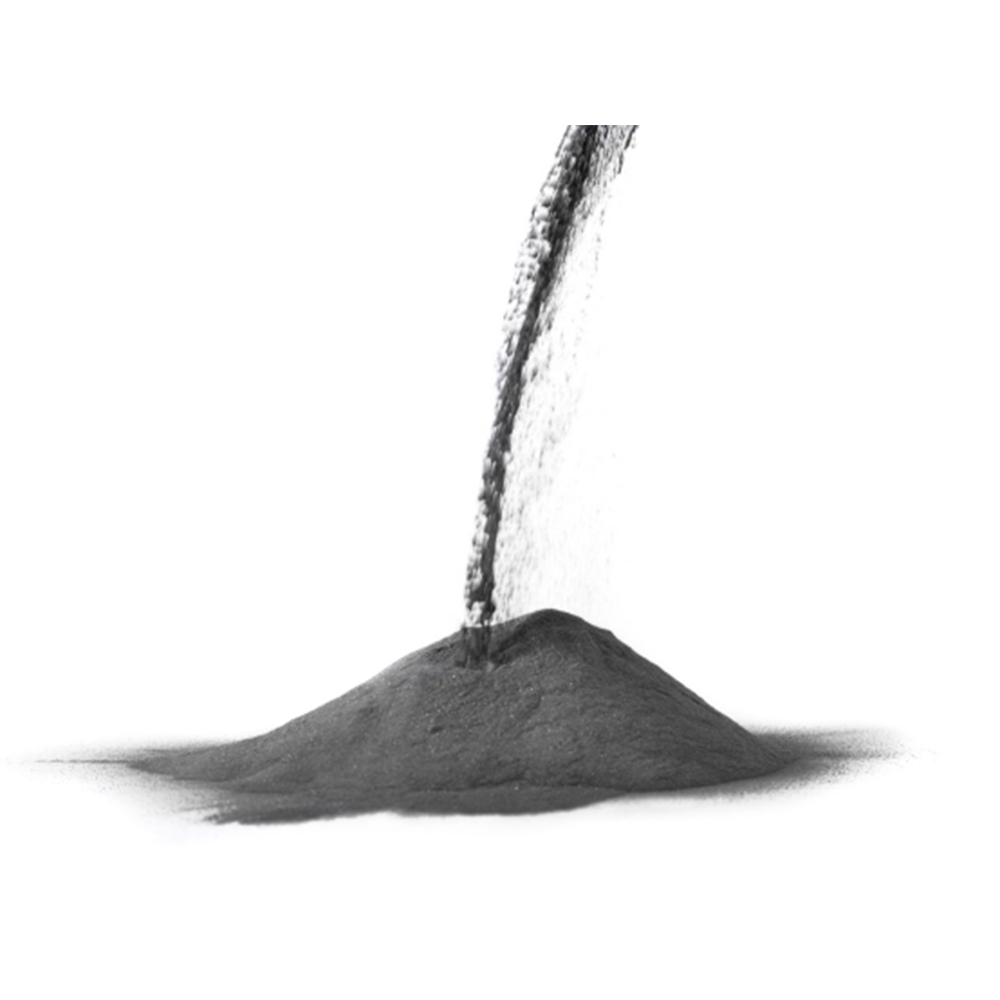
Powder technology refers to the production, processing, and application of fine metallic or alloy particles used in various manufacturing techniques. These powders are designed with precise chemical compositions, particle size distributions, and flow characteristics to ensure consistent performance.
Unlike traditional bulk materials, powders offer greater flexibility in shaping, coating, and enhancing components. They allow manufacturers to:
Improve surface properties without replacing entire parts
Produce near-net-shape components
Reduce material waste
Enhance wear and corrosion resistance
Extend component lifespan
In heavy industry, energy, aerospace, automotive, and tooling applications, these advantages translate directly into measurable operational benefits.
Enhancing Surface Performance Through Hardfacing and Coating
One of the most significant contributions of powder technology is in surface engineering. Many industrial components fail not because the entire structure is compromised, but because their surfaces experience extreme wear, corrosion, or heat.
Using high-performance powder materials, manufacturers can apply protective layers through processes such as:
Thermal spraying
Laser cladding
PTA (Plasma Transferred Arc) welding
HVOF coating
These processes deposit a thin but highly durable layer onto the base material, significantly improving resistance to:
Abrasion
Impact
High temperatures
Chemical corrosion
Instead of replacing expensive components, industries can refurbish and reinforce critical areas, lowering downtime and improving cost control.
Supporting Additive Manufacturing and Precision Fabrication
Powder-based processes are central to additive manufacturing (AM), commonly known as 3D printing for metals. Technologies such as laser powder bed fusion and directed energy deposition rely entirely on precisely engineered powders.
High-quality powders ensure:
Consistent layer bonding
Accurate dimensional control
Reliable mechanical properties
Minimal porosity
In aerospace and medical industries, where tolerances are strict and failure is not an option, powder uniformity and purity are critical. Kennametal Stellite develops powders with controlled chemistry and particle morphology to support these advanced applications.
Powder-based additive manufacturing also allows for:
Lightweight structural designs
Complex internal geometries
Reduced assembly requirements
Faster prototyping cycles
This accelerates product development while maintaining structural integrity.
Improving Wear Resistance in Harsh Environments
Industrial sectors such as mining, oil and gas, power generation, and cement production expose equipment to extreme mechanical stress and abrasion. Components such as valves, drill bits, pump sleeves, and cutting tools operate under constant wear.
By applying wear-resistant powder materials, manufacturers can significantly enhance durability. Cobalt-based and nickel-based alloys, for example, provide:
High hardness at elevated temperatures
Excellent galling resistance
Superior oxidation resistance
Long-term dimensional stability
Instead of frequent part replacement, companies benefit from extended service intervals and improved reliability.
Reducing Material Waste and Improving Efficiency
Traditional subtractive manufacturing removes large amounts of material to achieve final shapes. Powder metallurgy and powder-based processes, however, offer near-net-shape production.
This approach reduces:
Raw material waste
Machining time
Energy consumption
Secondary processing
In industries focused on sustainability and efficiency, powder technology aligns with lean manufacturing principles. The ability to reuse excess powder in certain processes further enhances material efficiency.
Enabling High-Temperature and Corrosion-Resistant Solutions
Modern manufacturing increasingly demands materials capable of operating in aggressive environments. Gas turbines, chemical reactors, marine components, and power plant systems require materials that can withstand high temperatures and corrosive media.
Advanced alloy powders supplied by Kennametal Stellite are engineered to provide:
Thermal stability
Creep resistance
Resistance to sulfidation and oxidation
Long-term chemical stability
These characteristics are especially valuable in industries where component failure can result in costly shutdowns or safety risks.
Enhancing Repair and Maintenance Strategies
Another practical advantage of powder technology is its role in component repair. Instead of discarding worn equipment, manufacturers can restore damaged surfaces using powder-based cladding techniques.
For example:
Worn valve seats can be rebuilt
Pump shafts can be resurfaced
Turbine blades can be reinforced
This approach reduces replacement costs, shortens maintenance cycles, and supports more sustainable asset management strategies.
Kennametal Stellite’s expertise in engineered powder materials ensures consistent metallurgical bonding and long-term performance in such repair applications.
Precision Control Over Material Properties
Powder manufacturing allows precise control over alloy composition and microstructure. Manufacturers can tailor powders to achieve specific:
Hardness levels
Toughness balance
Corrosion resistance
Thermal expansion properties
This level of customization is difficult to achieve with traditional bulk material methods. For specialized applications, such as aerospace components or precision tooling, such control is critical.
Meeting Industry Standards and Performance Demands
Modern industries operate under strict regulatory and quality standards. Powder materials must meet specifications related to:
Chemical composition
Particle size distribution
Flowability
Density
Purity
Reliable powder suppliers implement rigorous quality control systems to ensure consistency batch after batch. This consistency is essential for automated manufacturing processes and repeatable production results.
Kennametal Stellite supports customers by providing technically validated powder solutions that align with demanding industrial requirements.
Driving Innovation Across Industries
Powder technology is not limited to one sector. Its impact spans:
Aerospace and aviation
Automotive manufacturing
Energy and power generation
Oil and gas
Heavy equipment and mining
Tooling and industrial machinery
In each of these industries, powder-based processes enable lighter, stronger, and more durable components while reducing lifecycle costs.
As manufacturing continues to adopt automation, digital design, and additive processes, powder materials will remain at the center of innovation.
Conclusion
Powder technology has become a cornerstone of modern manufacturing. By enabling surface enhancement, additive production, high-performance alloys, and sustainable repair solutions, it delivers tangible operational advantages across industries.
Kennametal Stellite provides engineered powder materials that support advanced manufacturing techniques and demanding performance environments. From wear resistance to precision fabrication, powder solutions help manufacturers improve efficiency, extend equipment life, and maintain competitive performance in evolving markets.
As industrial demands grow more complex, the strategic use of high-quality powders will continue to shape the future of manufacturing processes.
www.sh-stellite.com
Kennametal Stellite