High-pressure foaming machines are a cornerstone in industries such as polyurethane production, insulation panel manufacturing, furniture production, automotive parts, and chemical processing. Choosing the right machine is crucial for ensuring consistent product quality, operational efficiency, and long-term reliability. With numerous models and configurations available, selecting the right system can be a challenge.
This step-by-step guide walks you through key considerations when choosing a high-pressure foaming machine and highlights the advantages of partnering with trusted manufacturers like Haifeng Automation.
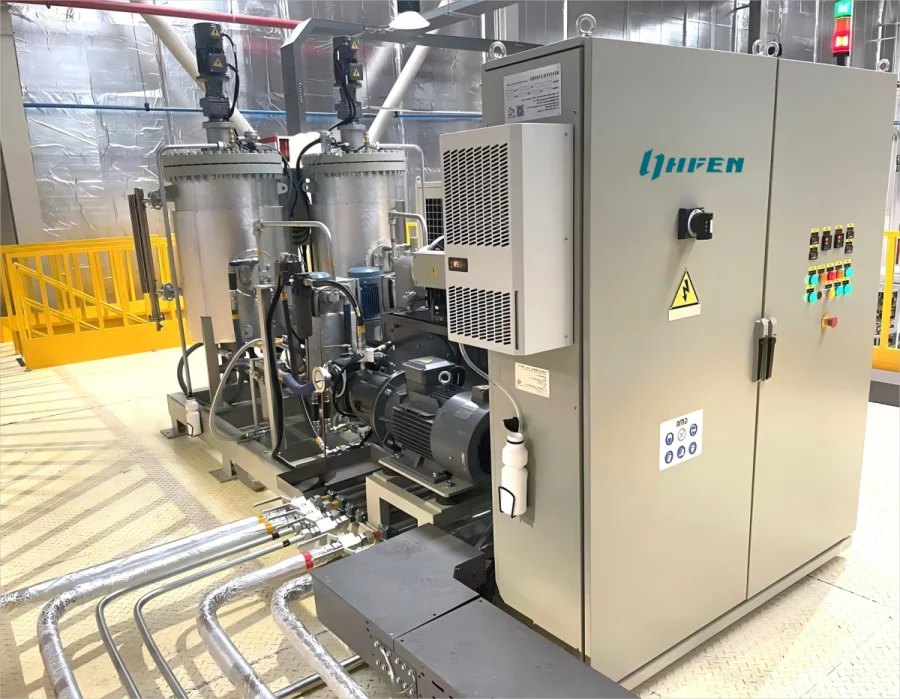
Step 1: Assess Your Production Requirements
Before evaluating machines, you must understand your production goals:
-
Production Capacity: Estimate the daily or monthly output. High-volume production requires machines with larger pumps and higher pressure capabilities.
-
Foam Type: Identify whether you need rigid, flexible, or semi-rigid polyurethane foam, as the machine configuration depends on the foam properties.
-
Chemical Compatibility: Different machines are optimized for specific polyol and isocyanate ratios. Ensure the machine supports the materials you plan to use.
-
Mixing Ratio Precision: Accurate ratio control is critical to avoid foam defects, improve yield, and maintain product consistency.
Clearly defining your production needs will narrow down your options and ensure that the machine fits your workflow.
Step 2: Examine Technical Specifications
Understanding the machine’s technical parameters ensures it meets your production demands:
-
Injection Pressure: Most high-pressure machines operate between 200–300 bar. Higher pressures improve mixing, resulting in uniform foam cell structure.
-
Temperature Control: Precise heating of both A and B components ensures foam consistency. Advanced systems include digital temperature controllers for real-time adjustment.
-
Mixing Head Type: Machines can have static or dynamic mixing heads. Dynamic heads are ideal for continuous, high-volume production, ensuring thorough component blending.
-
Pump Capacity: Evaluate whether the pumps maintain a stable flow rate under your production requirements. Fluctuating flow rates can lead to defective foam.
Machines with robust specifications offer higher reliability, better foam quality, and reduced maintenance issues.
Step 3: Evaluate Automation and Control Features
Modern high-pressure foaming machines often include advanced control systems:
-
PLC and HMI Integration: Programmable logic controllers with touchscreens simplify operation, allow for precise monitoring, and enable quick adjustments.
-
Recipe Management: Some systems can store multiple production recipes, facilitating quick changeovers between different foam products.
-
Data Logging: Monitoring and recording production parameters helps with quality control, troubleshooting, and regulatory compliance.
-
Remote Monitoring: Advanced machines may support remote diagnostics, reducing downtime and ensuring timely support.
Automation increases production efficiency, reduces human error, and allows operators to focus on optimizing output rather than manual adjustments.
Step 4: Consider Manufacturer Reputation and Support
Investing in a high-pressure foaming machine is significant, so manufacturer credibility is vital:
-
Experience and Track Record: Manufacturers with decades of experience understand production challenges and offer proven solutions.
-
After-Sales Support: Check if they provide installation, training, spare parts, and maintenance services.
-
Certifications: Ensure the machine meets international standards such as CE, ISO, or local regulations.
Haifeng Automation has over 20 years of experience producing high-pressure foaming machines. They specialize in customized solutions for various industries, combining high-precision equipment with strong technical support. Learn more here: Haifeng Automation About Us.
Step 5: Consider Energy Efficiency and Environmental Impact
Operational costs and sustainability are increasingly important factors:
-
Energy Consumption: Machines with energy-efficient motors and heating systems reduce long-term costs.
-
Environmentally Friendly Materials: Some machines support low-emission production or eco-friendly chemical formulations.
-
Maintenance Needs: Well-designed machines require less frequent maintenance, reducing both energy use and operational downtime.
Choosing a machine that balances performance with sustainability can improve both your bottom line and corporate responsibility goals.
Step 6: Plan for Flexibility and Scalability
A future-proof machine adapts to evolving production needs:
-
Modular Design: Modular systems allow easy replacement of components without overhauling the entire machine.
-
Scalability: Ensure the machine can handle increased output as your business grows.
-
Multi-Product Capability: Machines that accommodate various foam formulations increase versatility and reduce the need for additional equipment.
Flexibility ensures that your machine remains useful and profitable as production demands change.
Step 7: Maintenance and Operational Best Practices
Proper use and maintenance are essential for longevity:
-
Regular Cleaning: Keep mixing heads, pumps, and tanks free of residual foam to prevent blockages.
-
Routine Inspection: Monitor pressure, temperature, and pump performance to catch potential issues early.
-
Operator Training: Well-trained operators reduce errors, improve efficiency, and prevent equipment damage.
-
Spare Parts Management: Keep critical spare parts on hand to minimize downtime during repairs.
Machines that are maintained correctly will deliver higher output and consistent foam quality over the years.
Advantages of Partnering with Haifeng Automation
Haifeng Automation has established itself as a leader in high-pressure foaming machines. Key advantages include:
-
Customized Solutions: Machines tailored to specific production requirements.
-
Advanced Automation: PLC-controlled systems with recipe storage and real-time monitoring.
-
Reliable After-Sales Service: Installation, training, and ongoing support to ensure smooth operation.
-
Industry Expertise: Decades of experience across polyurethane, insulation, furniture, and automotive applications.
Learn more about Haifeng Automation here: https://www.haifeng-automation.cn/About-Us.html
Conclusion
Selecting the right high-pressure foaming machine is a strategic decision that affects product quality, operational efficiency, and long-term profitability. By evaluating your production requirements, technical specifications, automation capabilities, manufacturer reliability, energy efficiency, and scalability, you can make a confident and informed choice.