Choosing a reliable NMC cylindrical battery manufacturer is one of the most critical decisions for companies involved in electric vehicles (EVs), power tools, energy storage systems (ESS), medical equipment, robotics, and portable electronics. NMC (Nickel Manganese Cobalt) lithium-ion cylindrical cells offer an excellent balance between energy density, safety, cycle life, and cost. However, the market is flooded with suppliers of varying quality, and selecting the wrong manufacturer can lead to severe consequences such as performance instability, safety risks, production delays, and financial losses.
This comprehensive guide will walk you through every major factor you should consider when selecting a trustworthy NMC cylindrical battery manufacturer, helping you make an informed, strategic, and future-proof sourcing decision.
1. Understand Your Application Requirements First
Before evaluating manufacturers, you must clearly define your technical and commercial needs. Without this foundation, even a high-quality supplier may not be the right fit.
Key Parameters to Define:
-
Cell size: 18650, 21700, 26650, 32700, or custom formats
-
Capacity range: e.g., 2600mAh–5000mAh
-
Discharge rate: low-rate (1C–3C), high-rate (10C–45C)
-
Energy density targets
-
Cycle life expectations: 500, 1000, or 2000+ cycles
-
Operating temperature range
-
Application environment: automotive, industrial, consumer electronics, energy storage
For instance, EV and robotics applications typically require high discharge rates, long cycle life, and extreme safety reliability, while energy storage projects focus more on cost-efficiency, long calendar life, and thermal stability.
By clearly defining your performance objectives, you can filter out unsuitable manufacturers early and save time and cost.
2. Evaluate Manufacturer Technical Capabilities
R&D Strength
A reliable NMC cylindrical battery manufacturer must have strong research and development capabilities. Advanced R&D determines:
-
Cathode material optimization
-
Electrolyte formulation
-
Cell structural design
-
Thermal management improvements
-
High-nickel chemistry stabilization
Manufacturers with robust R&D teams can continuously upgrade their cell performance, ensuring higher energy density, improved safety, and longer lifespan.
Key indicators of strong R&D:
-
Dedicated battery research laboratories
-
Published technical patents
-
Continuous product upgrades
-
Collaboration with universities or research institutions
Manufacturing Process & Automation Level
High-quality cylindrical cells require precision manufacturing. Leading manufacturers invest heavily in:
-
Fully automated electrode coating lines
-
Laser welding equipment
-
High-precision winding machines
-
Automated electrolyte injection systems
-
AI-powered defect inspection
Higher automation ensures:
-
Better consistency
-
Lower defect rate
-
Tighter tolerance control
-
Stable large-scale production
A factory relying mainly on manual assembly typically suffers from higher quality fluctuation and lower production efficiency.
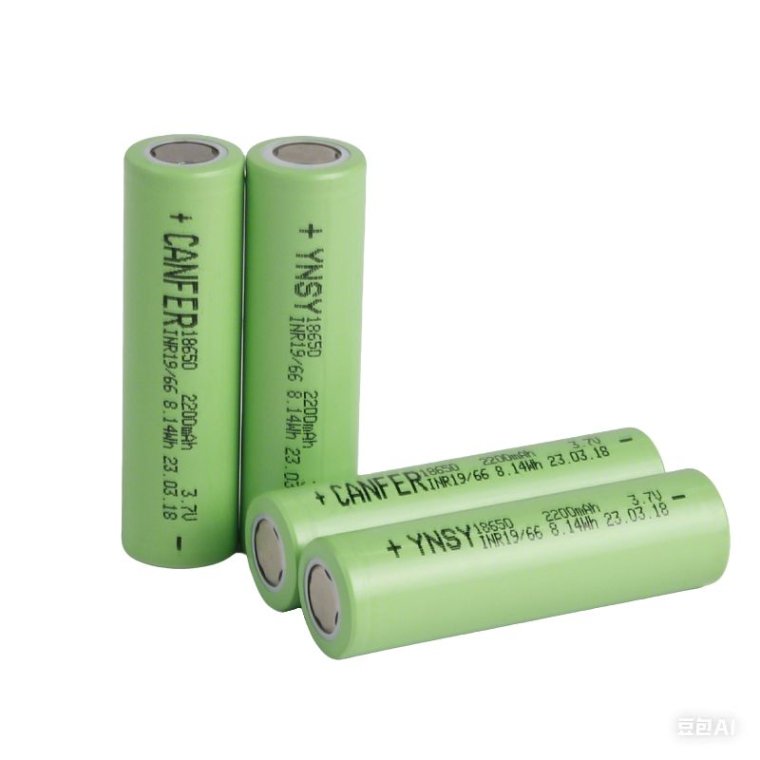
3. Quality Control and Testing Systems
Quality control is the core indicator of manufacturer reliability. Every NMC cylindrical battery should undergo multi-stage inspection and testing.
Essential Testing Procedures:
-
Capacity testing
-
Internal resistance measurement
-
OCV (open circuit voltage) inspection
-
Charge-discharge cycling tests
-
High-temperature storage testing
-
Overcharge and short-circuit safety tests
-
Mechanical shock and vibration tests
Batch Consistency
Battery pack performance depends heavily on cell-to-cell consistency. High-end manufacturers maintain:
-
Capacity tolerance within ±2–3%
-
Internal resistance deviation within ±3%
-
Tight voltage distribution
This level of control prevents cell imbalance, thermal runaway, and premature aging inside battery packs.
4. Certifications and Compliance Standards
Reliable NMC cylindrical battery manufacturers strictly follow international certifications. These certifications confirm that products meet global safety, environmental, and performance standards.
Core Certifications to Verify:
-
UN38.3 – Transportation safety
-
IEC 62133 / IEC 62619 – Lithium battery safety
-
UL 1642 / UL 2054 – US safety standards
-
CE & RoHS – European market compliance
-
ISO 9001 – Quality management system
-
IATF 16949 – Automotive-grade manufacturing
Manufacturers without these certifications pose serious legal, safety, and supply chain risks.
5. Raw Material Sourcing and Supply Chain Stability
The quality of NMC cylindrical cells heavily depends on cathode material purity, electrolyte formulation, and separator quality.
Key Raw Material Factors:
-
High-purity nickel, manganese, and cobalt sources
-
Stable lithium salt supply
-
Premium-grade separators
-
High-conductivity electrolytes
Reliable manufacturers establish long-term partnerships with global raw material suppliers, ensuring consistent material quality and price stability.
Additionally, manufacturers with vertically integrated supply chains (electrode coating → cell assembly → testing → packaging) gain significant advantages in:
-
Cost control
-
Quality consistency
-
Lead-time reduction
-
Supply security
6. Production Capacity and Scalability
For B2B buyers, stable and scalable supply is critical. A reliable manufacturer should offer:
-
Monthly production capacity in the millions of cells
-
Flexible production scheduling
-
Rapid scaling capability
-
Stable long-term supply contracts
If a manufacturer cannot scale production with your business growth, it may cause:
-
Delivery delays
-
Inventory shortages
-
Missed market opportunities
7. Customization and Engineering Support
Many projects require custom battery specifications. High-level manufacturers provide:
-
Custom capacity design
-
High-rate discharge optimization
-
Low-temperature performance enhancement
-
Customized cell dimensions
-
Battery pack engineering support
Technical Services to Look For:
-
Application engineering consultation
-
Pack design optimization
-
BMS integration guidance
-
Thermal management simulation
-
Prototype development
Strong engineering support significantly shortens product development cycles and reduces design risks.
8. Safety Design and Risk Control
Safety is the most critical factor in battery manufacturing. Reliable NMC cylindrical battery manufacturers integrate multi-layer safety mechanisms:
Internal Safety Design:
-
Multi-layer separators
-
CID (current interrupt device)
-
PTC protection elements
-
Pressure relief vent structures
-
Stable electrolyte additives
Production Safety Controls:
-
Clean-room electrode coating
-
Humidity-controlled assembly
-
Anti-metal contamination procedures
-
Automated defect detection
Without these protections, batteries face high risks of:
-
Overheating
-
Internal short-circuit
-
Thermal runaway
-
Fire hazards
9. Manufacturer Reputation and Industry Track Record
A manufacturer’s market reputation reflects years of operational performance.
How to Evaluate Reputation:
-
Years of industry experience
-
Client portfolio
-
Global export records
-
Long-term OEM partnerships
-
Industry certifications and awards
Manufacturers with long-standing relationships in EV, ESS, medical, and industrial sectors typically demonstrate stronger reliability.
10. After-Sales Service and Warranty Policy
A reliable manufacturer provides comprehensive after-sales support:
-
Clear warranty terms (12–36 months)
-
Rapid technical response
-
Defect analysis support
-
Replacement policies
-
Quality improvement cooperation
Poor after-sales service often results in production downtime, financial losses, and reputational damage.
11. Pricing Structure and Total Cost of Ownership (TCO)
The lowest unit price does not always represent the best value. Consider total cost of ownership (TCO):
TCO Components:
-
Unit price
-
Defect rate
-
Cycle life
-
Warranty replacement costs
-
Logistics efficiency
-
Technical support costs
High-quality NMC cylindrical cells may cost slightly more but deliver far better lifetime value.
12. Factory Audit and On-Site Inspection
If order volume is significant, conducting on-site audits is highly recommended.
Audit Checklist:
-
Production line automation
-
Cleanroom standards
-
Testing equipment
-
Raw material storage
-
Process traceability
-
Quality documentation
-
Worker training systems
Factory audits help eliminate false claims and hidden risks.
13. Long-Term Partnership Potential
Rather than short-term transactions, reliable battery sourcing focuses on long-term strategic partnerships. Good manufacturers provide:
-
Joint development programs
-
Stable long-term pricing agreements
-
Priority production scheduling
-
Technology sharing
-
Continuous performance upgrades
This partnership model supports business growth, product competitiveness, and cost control.
14. Common Red Flags to Avoid
Avoid manufacturers showing these warning signs:
-
Unusually low pricing
-
Lack of certifications
-
No traceable factory address
-
Refusal to provide test reports
-
Poor communication efficiency
-
Inconsistent datasheets
-
No engineering support
Such suppliers often cause hidden quality risks and unstable supply chains.
15. Final Checklist for Choosing a Reliable NMC Cylindrical Battery Manufacturer
Before final selection, confirm:
-
Strong R&D capability
-
Advanced manufacturing automation
-
Strict quality control systems
-
Complete certifications
-
Stable raw material sourcing
-
Large-scale production capacity
-
Customization support
-
Excellent after-sales service
-
Competitive TCO
-
Positive market reputation
Conclusion
Choosing a reliable NMC cylindrical battery manufacturer requires far more than price comparison. It demands a comprehensive evaluation of technical capability, manufacturing quality, safety control, supply stability, and service reliability.
In today’s rapidly evolving lithium battery market, only manufacturers that invest heavily in R&D, automation, safety engineering, and quality management can consistently deliver high-performance, safe, and long-lasting NMC cylindrical cells.
By following the principles outlined in this guide, you can confidently select a trustworthy supplier, minimize operational risks, and build a stable, long-term battery supply partnership that supports your business growth.
www.highstar-lithium.com
highstar-lithium