Shenzhen Jinshi Sensing Technology Co., Ltd. offers a range of high-quality epoxy thermistors, including the MF52B, MF52D, and MF52E Epoxy Resistors. These temperature-sensitive components are widely used in temperature sensing and control applications. While thermistors come in various packaging types, two common formats are epoxy-encapsulated thermistors and glass-packaged thermistors. Understanding the differences between these packaging styles can help engineers and designers choose the right component for their specific application.
What Is an Epoxy Thermistor?
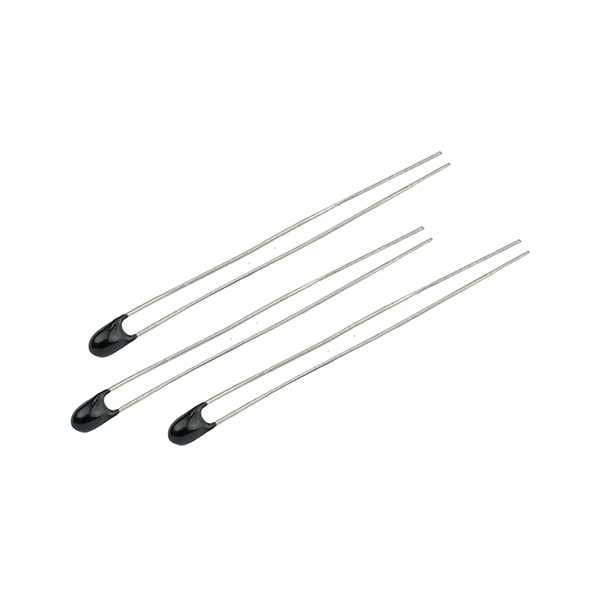
An epoxy thermistor, like the MF52B, MF52D, and MF52E series from Shenzhen Jinshi Sensing Technology Co., Ltd., is a temperature-dependent resistor that uses a thermistor bead encapsulated in a durable epoxy resin. This packaging provides mechanical protection while allowing the thermistor to respond to changes in temperature with high sensitivity.
Epoxy vs. Glass Packaging: What’s the Difference?
Thermistors can be enclosed in different materials depending on the required performance characteristics. The two most common packaging types are epoxy encapsulation and glass packaging.
Mechanical Protection and Durability
-
Epoxy Packaging: The epoxy resin used in epoxy thermistors provides excellent mechanical strength and resistance against shock and vibration. This makes them suitable for environments where the sensor may experience physical stress.
-
Glass Packaging: Glass-sealed thermistors offer good protection but can be more brittle and vulnerable to mechanical breakage under impact or stress.
Environmental Resistance
-
Epoxy Thermistors: Epoxy encapsulation offers good resistance to moisture and many chemicals, making epoxy thermistors versatile for general-purpose environmental conditions.
-
Glass Thermistors: Glass packages provide excellent hermetic sealing, which enhances long-term stability in very high humidity or corrosive environments. However, they are less flexible under mechanical stress.
Temperature Response and Sensitivity
-
Epoxy Devices: Epoxy thermistors generally have a fast thermal response due to the relatively low thermal mass of the epoxy material, allowing them to react quickly to temperature changes.
-
Glass Devices: Glass-sealed thermistors often have slightly slower response times due to the higher thermal mass of the glass enclosure but can offer excellent precision and stability over a wide temperature range.
Application Suitability
-
Epoxy Thermistors (MF52 Series): Ideal for consumer electronics, HVAC systems, battery monitoring, and general temperature sensing where ruggedness and cost-effectiveness are important.
-
Glass Thermistors: Better suited for high-precision laboratory instruments, medical devices, and industrial systems requiring extreme environmental sealing and stability.
Why Choose MF52 Epoxy Resistors?
Shenzhen Jinshi Sensing Technology Co., Ltd.’s MF52B, MF52D, and MF52E Epoxy Resistors combine the advantages of epoxy packaging with reliable temperature sensing performance. Their robust construction and responsiveness make them a strong choice for applications that need a durable thermistor with consistent performance across a wide range of conditions.
Choosing between epoxy and glass packaging for thermistors depends on the specific requirements of your application. Epoxy thermistors, such as the MF52B, MF52D, and MF52E from Shenzhen Jinshi Sensing Technology Co., Ltd., offer durability, fast response, and excellent environmental resistance for many industrial and consumer uses. Glass-packaged thermistors, while highly stable, are better suited for precision and harsh environmental conditions. Understanding these differences ensures optimal sensor performance and reliability in your design.
https://www.jscgsensor.net/epoxy-thermistors-vs-glass-packaged-thermistors.html
Shenzhen Jinshi Sensing Technology Co., Ltd.