In today’s manufacturing and industrial landscape, automation is no longer a luxury—it’s a necessity. Among the most transformative innovations in this field are programmable machines, which combine mechanical precision with digital intelligence. These machines have redefined productivity, efficiency, and quality control across industries. From automotive assembly lines to advanced textile production, programmable systems are enabling smarter, faster, and more consistent results.
One company at the forefront of this movement is Ningbo Sanhexin Automation Co., Ltd., a professional enterprise specializing in the research, production, manufacturing, and sales of automated sewing machines. Through continuous innovation, Sanhexin has integrated programmable control systems into sewing equipment, offering users enhanced precision, customization, and operational efficiency.
Understanding Programmable Machines
A programmable machine is any automated device that can execute a series of operations based on pre-set or user-defined instructions. Unlike traditional mechanical systems that perform repetitive actions, programmable machines can adapt to various tasks through software control. These machines use programmable logic controllers (PLCs), microprocessors, or embedded systems to manage motion, timing, and process variables with remarkable accuracy.
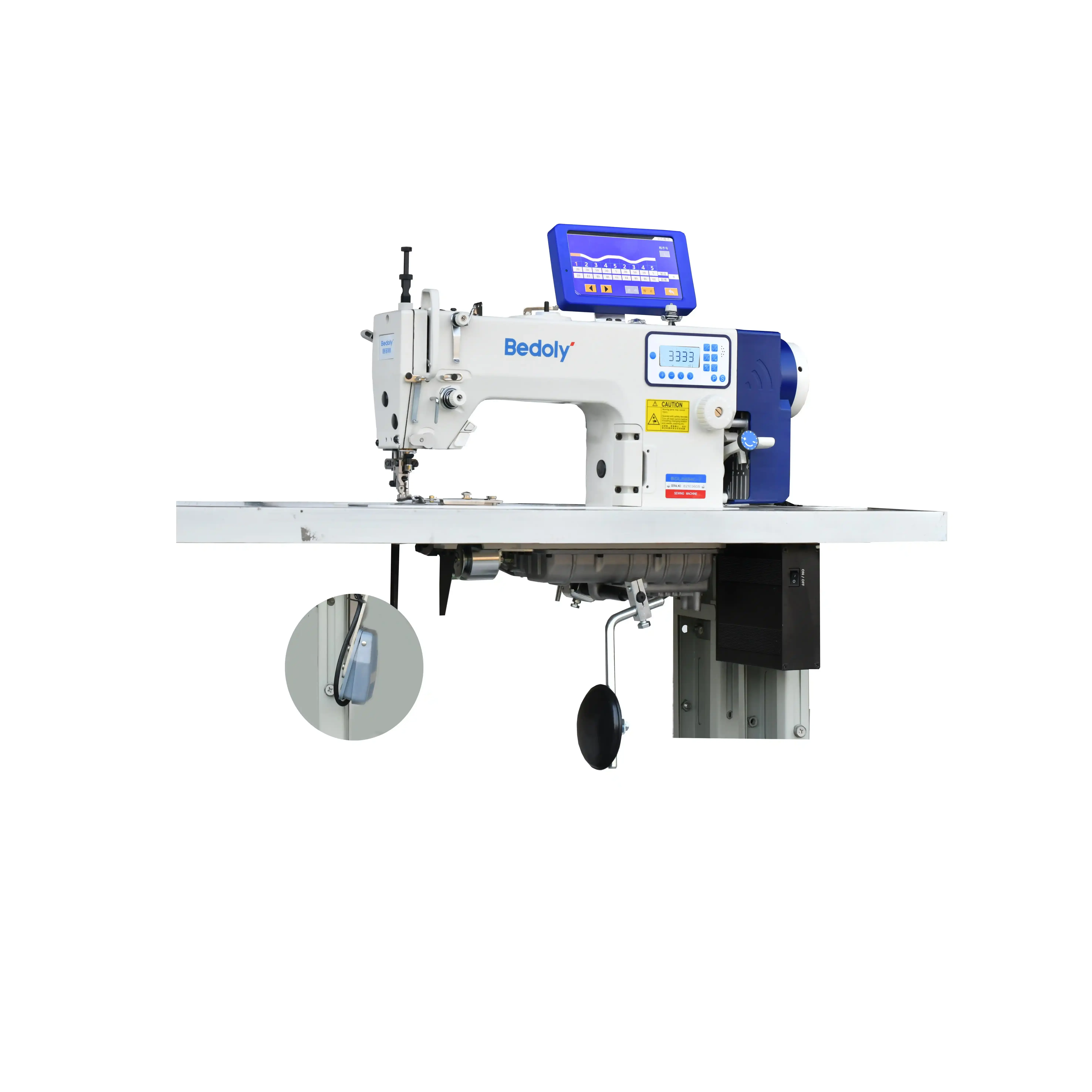
In industrial settings, programmable machines are the foundation of smart automation. They can be reprogrammed for different products, reducing downtime and improving flexibility. In textile manufacturing, for instance, programmable sewing machines allow manufacturers to change stitch patterns, speeds, and operations without manual adjustment—making production more consistent and efficient.
How Programmable Machines Work
At their core, programmable machines operate through an intelligent control system that interprets digital commands and converts them into precise mechanical movements. The process begins with software input—engineers or operators set parameters such as motion sequence, speed, or stitching pattern. Sensors and actuators then work together to perform the designated tasks while continuously monitoring performance to ensure accuracy.
Ningbo Sanhexin Automation Co., Ltd. applies this principle in its sewing machine technology. Each of their programmable sewing machines features a robust control system that synchronizes mechanical motion with electronic intelligence. This integration enhances precision while reducing material waste, labor intensity, and production errors. By combining advanced electronics with durable mechanical design, Sanhexin’s solutions deliver reliable performance in demanding industrial environments.
Advantages of Programmable Machines in Modern Manufacturing
Programmable machines offer numerous advantages that make them essential in modern production lines. Their most significant benefits include:
Increased Efficiency: Automated and programmable systems can perform complex tasks continuously, reducing production time and minimizing human intervention.
Enhanced Accuracy: Digital control ensures consistent output, precise motion, and uniform quality across all units produced.
Operational Flexibility: Unlike fixed mechanical systems, programmable machines can be easily reconfigured for different product types or process requirements.
Reduced Costs: With minimal manual labor and lower error rates, manufacturers can achieve significant savings in material and operational expenses.
Improved Quality Control: Integrated sensors and feedback systems help detect and correct deviations instantly, maintaining stable product quality.
Ningbo Sanhexin has leveraged these advantages by developing programmable sewing machines capable of performing intricate stitching operations with exceptional uniformity. Their machines are widely used in apparel, automotive interiors, and industrial textiles—industries where precision and reliability are crucial.
Integration of Smart Automation in the Sewing Industry
The sewing industry has undergone a technological transformation thanks to smart automation. Traditional manual sewing has gradually evolved into computer-controlled systems that can execute thousands of stitches per minute with flawless precision. This shift not only boosts productivity but also supports customized production and high-quality craftsmanship.
Ningbo Sanhexin Automation Co., Ltd. has played a key role in this transition. By incorporating intelligent programming and sensor-based technology, Sanhexin’s sewing machines allow for automatic fabric detection, thread tension adjustment, and pattern control. The result is smoother operation, consistent stitching, and superior finish—all while reducing operator fatigue and operational costs.
The Role of Programmable Machines in Sustainable Manufacturing
Beyond efficiency and productivity, programmable machines contribute significantly to sustainability. By optimizing energy use and minimizing waste, they support eco-friendly manufacturing practices. Accurate material control and real-time process monitoring reduce scrap rates and improve resource utilization.
Ningbo Sanhexin integrates sustainable principles into its equipment design by focusing on energy-efficient motors, smart control systems, and durable components. This approach ensures long service life and reduced environmental impact while maintaining top performance standards.
Conclusion
Programmable machines represent the foundation of smart automation—bridging the gap between mechanical craftsmanship and digital intelligence. Through precision control, adaptability, and efficiency, they are reshaping modern manufacturing across industries. Ningbo Sanhexin Automation Co., Ltd. stands as a leading example of how programmable technology can revolutionize traditional industries like sewing, offering innovative solutions that enhance quality, reduce costs, and promote sustainable production.
By understanding and adopting programmable machines, manufacturers can unlock new levels of productivity, consistency, and competitiveness in an ever-evolving industrial world.
Understanding Programmable Machines for Joining Sleeves: Technology and Applications
www.bedoly.net
Ningbo Sanhexin Automation Co., Ltd