Anyone sourcing insulation material for motor slot wedges has probably run into this naming mess: searches for "FRP sheet" return mostly fiberglass reinforced plastic panels marketed for flooring, cable trays, or chemical tank linings, not the thermal-class-rated laminate that electrical equipment actually needs.
The confusion is understandable because FRP is a generic composite term covering any resin-plus-glass-fiber product. The structural FRP panels sold for walkways or corrosion-resistant enclosures are built around polyester, epoxy, or phenolic resin with chopped strand mat or woven roving, optimized for impact strength, slip resistance, and weather exposure over 15-20 years outdoors. None of that spec sheet mentions a thermal class, because outdoor flooring doesn’t need one.
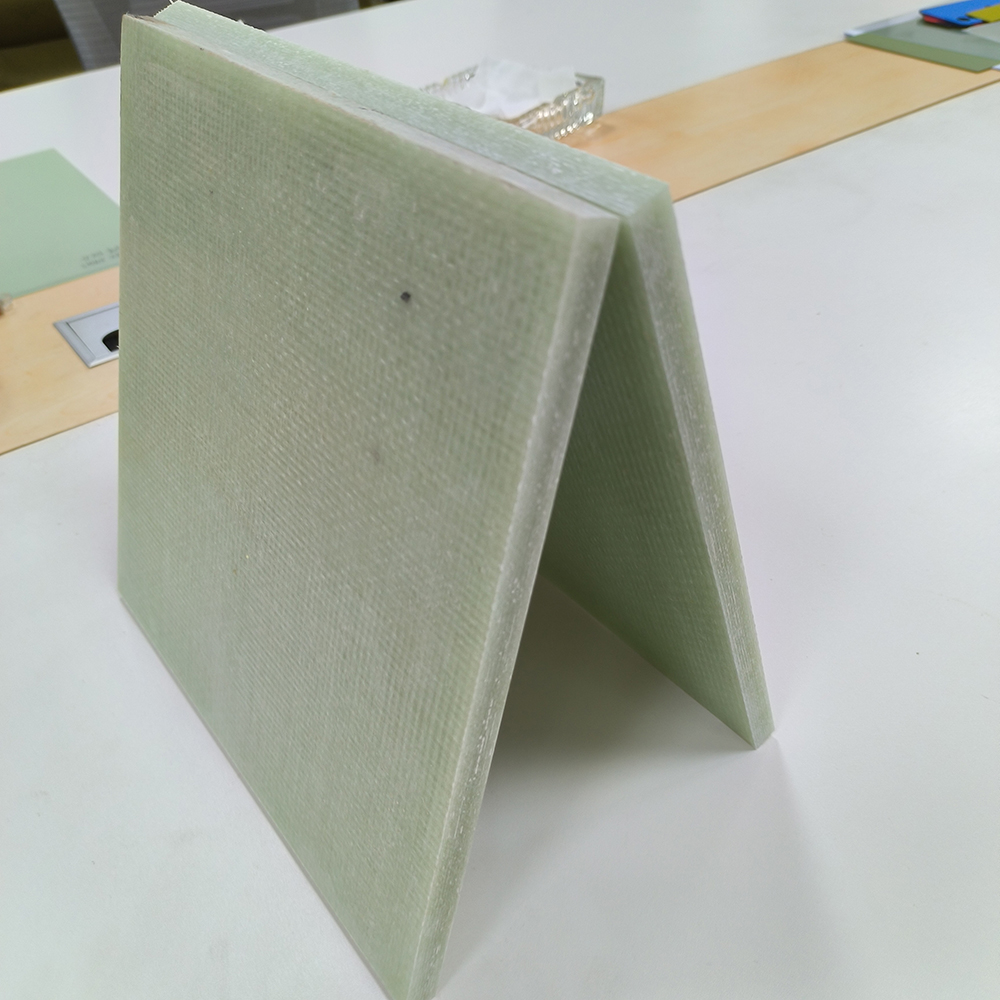
Motor slot wedges are a different animal. That application wants a glass-mat or glass-cloth laminate with a defined thermal class, usually B (120°C) or F (155°C) under standards like IEC 60893, plus dielectric strength and arc resistance for the electrical load. Products like GPO-3/UPGM203 glass mat laminate or 3240 epoxy glass cloth laminate are built for exactly this, with documented CTI ratings and flame retardancy (UL 94 V-0), while general-purpose FRP sheet typically isn’t tested or rated for that duty at all.
So the practical question for anyone comparing Asian suppliers under "FRP sheet" listings: has anyone actually gotten a supplier to confirm a tested thermal class and CTI/arc resistance number for a slot wedge application, or does this usually require going directly to electrical laminate specs (GPO-3, FR4, 3240) instead of generic FRP catalogs? Curious what documentation people ask for before trusting a quoted thermal class on this kind of part.
https://www.xyhplastic.com
Shenzhen XiongYiHua Plastic Insulation LTD