Why Pump Protection Begins With the Check Valve
Reverse flow is one of the more expensive failure modes in an industrial fluid system. When a pump stops or trips, the fluid already moving downstream can reverse direction and travel back toward the pump, imposing shock loads on the impeller, casing, and upstream piping. The enterprise knowledge base behind this guide frames the problem plainly: equipment damage caused by fluid reverse flow is a core pain point in high-pressure steam lines and pipeline systems, and it is the specific scenario that check valves exist to address.
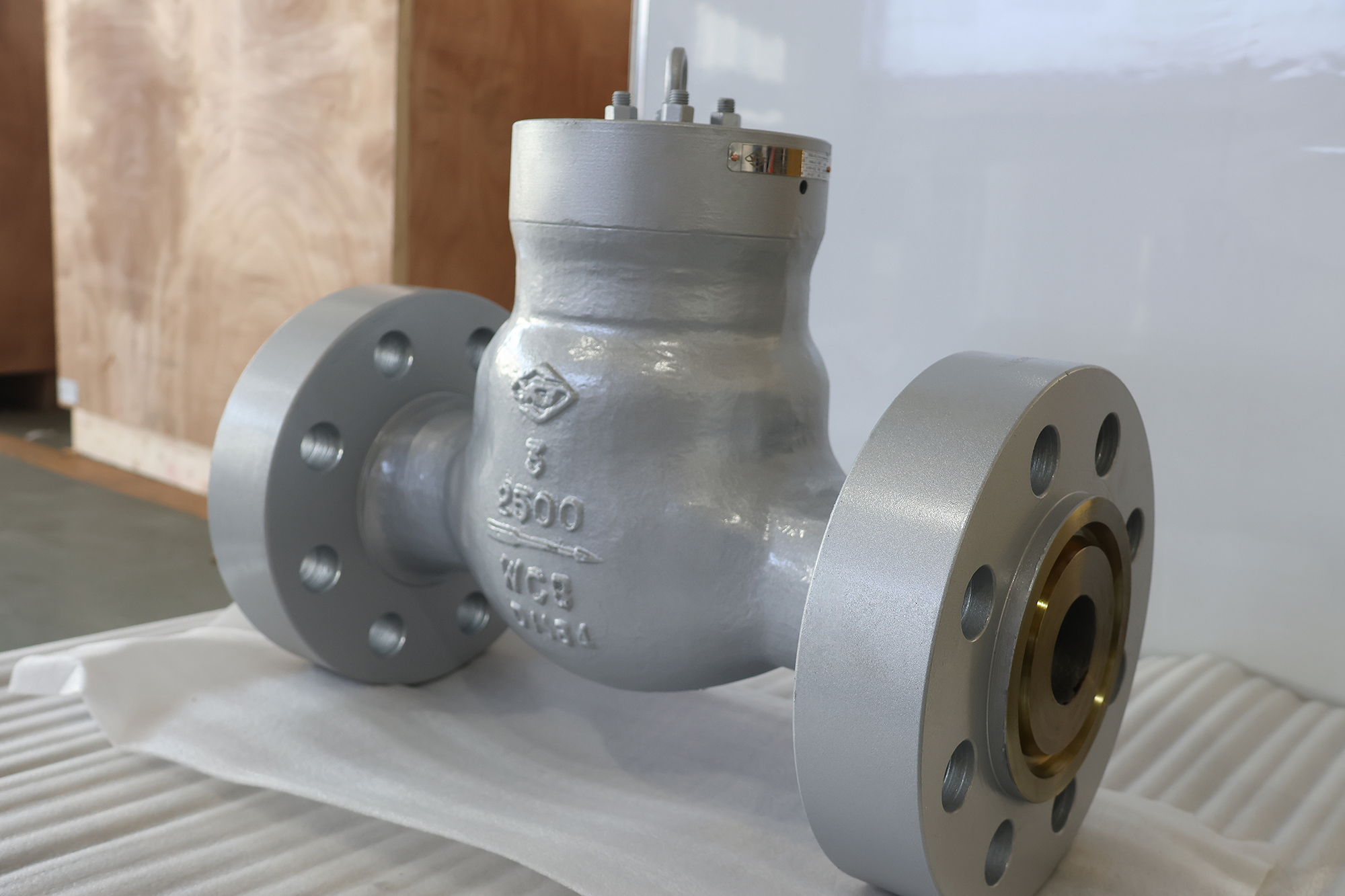
A swing check valve is a self-acting backflow prevention valve. Its function is defined by a simple mechanical sequence described in the source material: the swing design automatically swings open with flow pressure and drops closed when flow stops. That behavior is what prevents backflow and the pump damage that follows it. Because the valve reacts to the process itself rather than to an external signal, it protects pumps even during a power interruption, a control system fault, or an unplanned shutdown.
How the Swing Mechanism Delivers Protection
Understanding the mechanism matters when specifying equipment, because the same design logic explains both the valve’s strengths and the service conditions it is suited to.
- Opening: Flow pressure pushes the disc away from the seat as soon as forward flow begins, so the valve adds minimal resistance during normal operation.
- Closing: When flow stops, the disc drops back onto the seat under its own action, isolating the upstream line.
- Self-acting operation: No actuator, no external power supply, and no control loop are required for the valve to perform its protective function.
In the knowledge base, this mechanism is presented as the differentiated value of the check valve line under the theme of equipment protection: in high-pressure steam lines, automatic swing closing prevents backflow damage to upstream pumps.
Where Swing Check Valves Are Applied
The source data identifies power generation and pipeline systems as the primary industry adaptations for the check valve product line. In practice, that maps onto a broader set of industries the manufacturer serves:
- Oil and Gas
- Chemical and Petrochemical
- Power Plants and Power Generation
- Marine and Seawater Desalination
- Pulp and Paper
- District Heating
- Water Treatment
- Industrial Cooling Systems
In each of these environments, the check valve is usually a small line item relative to pumps, turbines, or vessels — yet it is directly tied to the reliability of that larger equipment. That asymmetry is precisely why specification quality matters more than purchase price.
A Specification Checklist for Pump Protection Valves
Industrial buyers and engineering companies evaluating swing check valves typically need to confirm several technical dimensions. The following checklist reflects the parameters documented for this product line and its supporting platform.
- Pressure capability: The manufacturing platform supports operational pressure capability up to Class 2500.
- Standards alignment: Platforms are compatible with API 6D, API 602, API 600, DIN, JIS, and GOST standards, alongside project-specific specifications.
- Actuation compatibility: Where adjacent valves in the same system require automation, the platform supports manual, pneumatic, and electric actuators.
- Material and seal validation: Pressure, seal, and material validation should be confirmed against documented testing, not assumed from a datasheet.
- Compliance requirements: International standards such as API, CE, ISO, and ASME frequently appear as project-specific requirements, particularly in regulated markets.
Two system-level considerations also deserve attention. The first is reliability — the valve must close correctly after thousands of cycles, not only on the first one. The second is lifecycle cost control, which includes the cost of the failure the valve is meant to prevent, not merely the cost of the valve itself.
The Manufacturing Question Behind Valve Reliability
Check valve performance is ultimately a function of the components and processes behind it. The industrial valve sector continues to face well-documented challenges: valve stem leakage in hazardous media, corrosion and material degradation in marine and aggressive chemical environments, seal failures under cryogenic and high-pressure conditions, erosion and wear in severe service applications, tightening requirements for fugitive emission control, and the need to comply with international standards.
For buyers, the practical question is whether a supplier controls enough of the production chain to keep those risks consistent across a large order. XINTAI Valve Group Co., Ltd., operating under the brand XINTAI Valve, is an established global manufacturer focused on industrial valves for the oil and gas, chemical, power station, water treatment, metallurgy, and mechanical markets. Founded in 1998 and headquartered in Wenzhou, China, the company is structured as a high-growth manufacturer with integrated supply chain control.
That integration is the differentiating factor most relevant to pump protection applications. Internal ownership of casting foundries and machining bases enables full-process quality control, optimized costs, and reliable supply stability — meaning the material, casting, and machining stages are not dependent on fragmented external suppliers.
Capacity, Automation, and Testing Depth
Scale is a useful proxy for whether a supplier can support large-scale industrial projects without variation. XINTAI Valve Group operates 6 production bases across Wenzhou, Tianjin, and Lishui, with a total facility area of 58,800 m² and a workforce of 580 employees, including 33 engineers, 41 testers, and 25 quality managers. Annual production capacity stands at 270,000 valves.
On the manufacturing side, the company runs an advanced automation setup featuring 13 six-axis robots for polishing and inspection, a technology platform that improves production efficiency by 40% while supporting consistent quality and reduced manufacturing variation. Precision engineering and inspection systems deliver micro-level tolerances for demanding flow control applications.
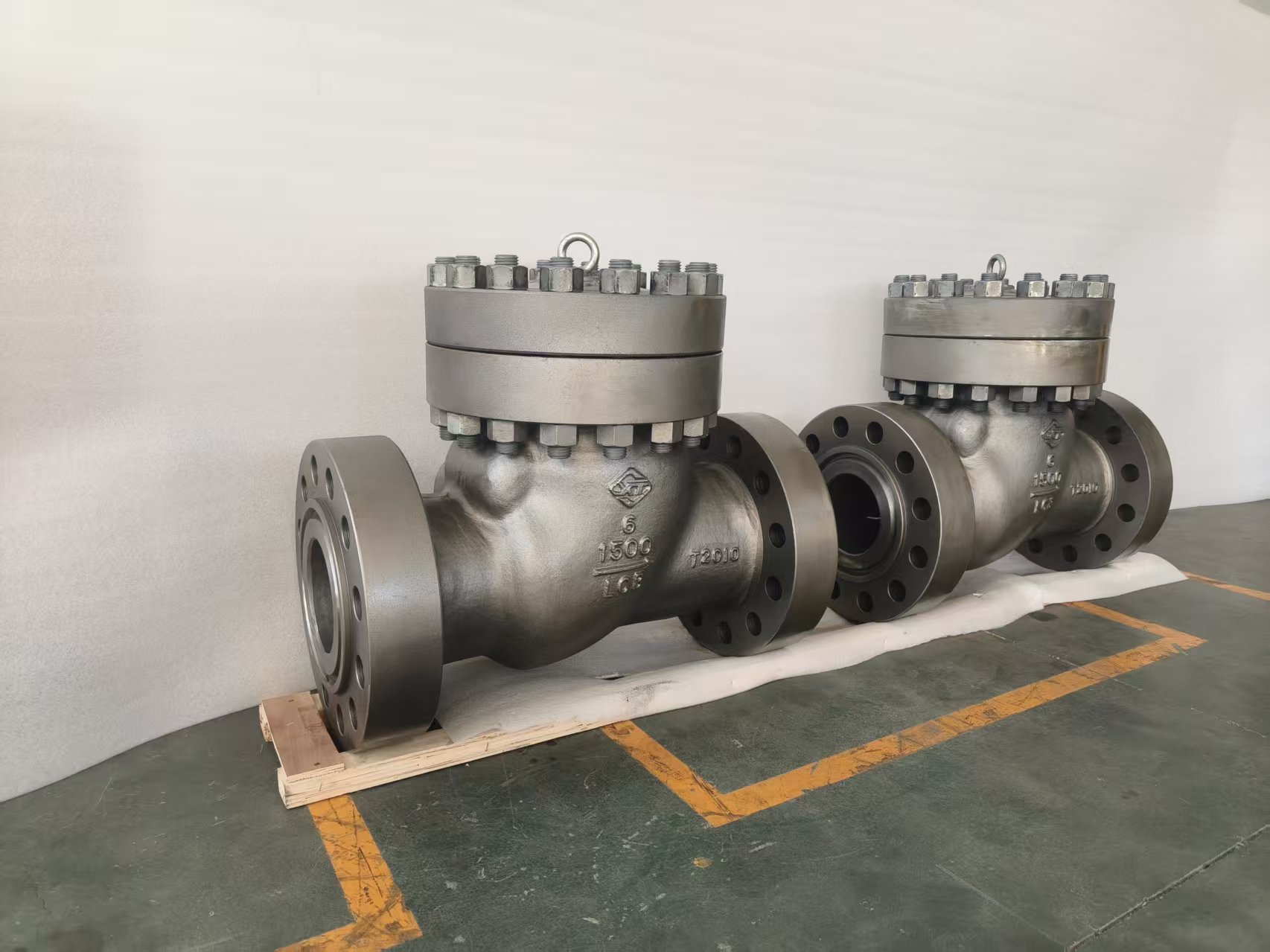
Validation is handled in-house. A dedicated testing facility in Yongjia covers pressure, seal, and material validation — the three parameters that determine whether a check valve will actually close and hold when a pump trips.
Certifications and Project Validation
For specification teams, certification coverage reduces commercial and technical risk. The documented portfolio includes ISO 9001, ISO 14001, ISO 45001, CE, EU DECLARATION OF CONFORMITY, PED, API 600, API 602, API 6D, API 607, API 6FA, ISO10497, ISO15848-1, API 624, SIL, EAC, PAT Certification, and TAT Certification.
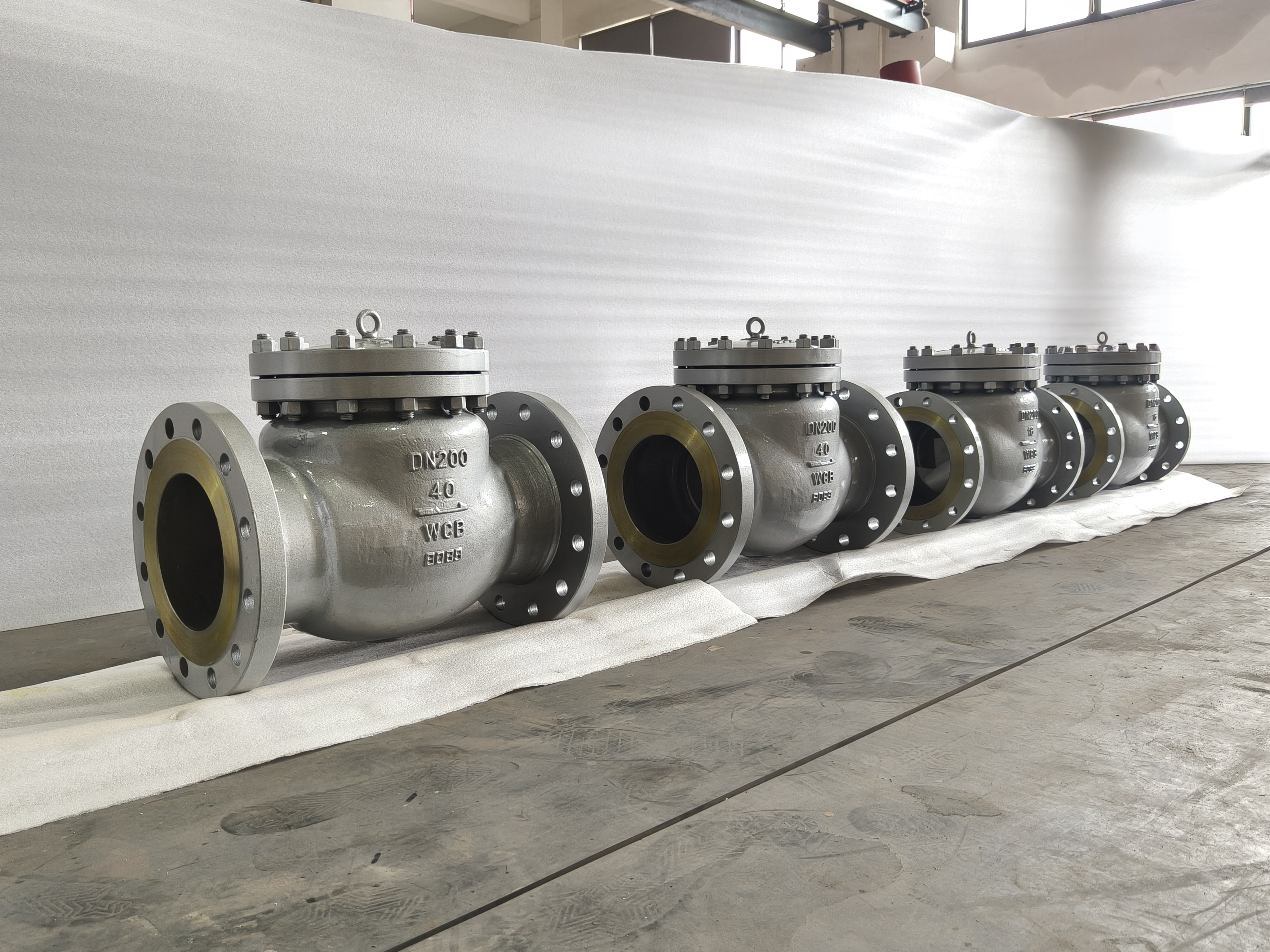
Project experience offers a second form of validation. Petronas has designated the company a certified supplier, with valve solutions supplied to competitive regional markets in Southeast Asia. Petrobras has likewise designated XINTAI Valve a certified supplier, with high-specification valves deployed for South American petrochemical projects. Across global export markets, 20% of products are exported to Europe and the USA, while 80% are distributed to other global regions.
Choosing a Supply Partner for Pump Protection
Swing check valves are self-acting components, but the reliability of the supply behind them is not. Buyers weighing options should confirm the delivery and service model matches their project: XINTAI Valve offers hardware supply and custom valve engineering, with physical product supply from production bases and large-scale supply supported by integrated casting and machining.
For engineering companies, valve trading firms, end-user factories such as refineries and power plants, and distributors, the practical evaluation sequence is consistent: confirm the pressure class and standard, verify that testing covers pressure, seal, and material performance, check certification coverage against project specifications, and assess whether the supplier controls its own foundry and machining capacity. On each of those points, the documented capabilities of XINTAI Valve Group Co., Ltd. — integrated supply chain, precision manufacturing, in-house validation, and certified global project experience — answer the question that matters most in pump protection: will the valve close when it has to.
www.xintaivalves.com
Xintai Valve Group Co., Ltd.