Renewable energy projects are changing the way electricity is generated, collected, and delivered to the grid. Solar farms, wind power installations, battery energy storage systems, and hybrid renewable facilities can generate substantial amounts of electricity, but that power must be converted and transmitted at suitable voltage levels before it can enter a larger distribution or transmission network.
This is where high-voltage transformers become an important part of the electrical infrastructure.
A transformer used in a renewable energy project does more than simply change voltage. Its design must accommodate the characteristics of renewable generation, including variable power output, changing operating conditions, power electronic interfaces, environmental exposure, and project-specific grid requirements. Selecting the wrong transformer configuration can affect energy losses, system reliability, maintenance requirements, and the long-term performance of the entire installation.
For project developers, electrical engineers, and procurement teams, transformer selection should therefore begin during the system design stage rather than after the main equipment has already been specified.
This article explains the key considerations when selecting high-voltage transformers for renewable energy projects, from capacity and voltage requirements to cooling, insulation, efficiency, harmonics, environmental conditions, testing, and customization.
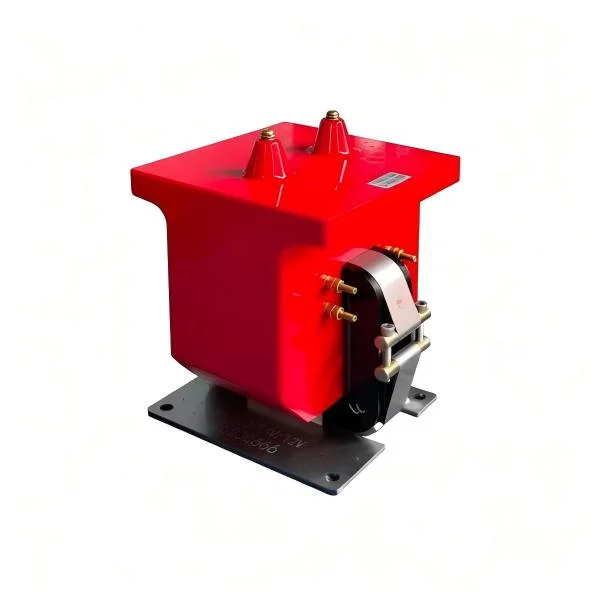
Why Are High-Voltage Transformers Important in Renewable Energy Systems?
Most renewable energy generation equipment does not produce electricity at the same voltage required by the utility grid.
For example, photovoltaic modules generate DC electricity, which is converted into AC electricity through inverters. Wind turbines also typically use electrical conversion equipment between the generator and the grid connection point. The resulting power may need to pass through several voltage levels before reaching the transmission or distribution network.
A transformer provides the necessary voltage conversion while maintaining electrical isolation between different parts of the system.
In a typical renewable energy installation, the electrical pathway may include:
-
Solar panels or wind turbines
-
Inverters or power conversion equipment
-
Step-up transformers
-
Medium-voltage collection systems
-
Substation transformers
-
High-voltage grid connection equipment
The exact arrangement varies according to project size and grid connection requirements.
For larger installations, a properly specified high-voltage transformer can help integrate generated power into the electrical network while maintaining appropriate voltage levels and system performance.
What Types of Renewable Energy Projects Use High-Voltage Transformers?
High-voltage transformer applications are not limited to one renewable energy technology.
Solar Power Projects
Large-scale photovoltaic installations can generate significant amounts of electricity across extensive areas. Inverters convert DC power into AC power, after which transformers increase the voltage for collection and grid connection.
The transformer configuration depends on the project's generation capacity, collection voltage, grid connection voltage, and site layout.
Wind Power Projects
Wind farms may contain numerous turbines distributed across a large geographical area. Each turbine generates electricity that may pass through a step-up transformer before entering the site's collection network.
At the wind farm substation, additional high-voltage transformers may be used to raise the voltage for transmission to the grid.
Battery Energy Storage Systems
Battery storage systems are increasingly integrated with renewable generation. Since batteries operate through power conversion systems, transformers may be required to connect the storage system to medium- or high-voltage electrical networks.
Transformer requirements for battery projects may differ from those for conventional generation because charging and discharging can create changing power-flow conditions.
Hybrid Renewable Energy Systems
Projects combining solar, wind, battery storage, or other generation technologies may require more flexible transformer configurations.
The transformer must accommodate the combined electrical characteristics of the system while maintaining compatibility with the grid connection requirements.
Start With the Required Voltage and Capacity
Voltage and capacity should be established before comparing specific transformer models.
For renewable energy projects, the transformer rating should reflect the expected power flow rather than simply the nominal output of one piece of equipment.
Engineers should evaluate:
-
Rated generation capacity
-
Maximum active power
-
Reactive power requirements
-
Grid connection voltage
-
Collection system voltage
-
Expected operating profile
-
Future expansion
-
Required reserve capacity
Transformer capacity is typically expressed in kVA or MVA.
For example, a project with a large installed generation capacity may require multiple transformers rather than one very large unit. The final arrangement depends on the site design, equipment layout, grid requirements, redundancy strategy, and overall power distribution architecture.
Oversizing should also be considered carefully. Additional capacity can provide operating flexibility, but an excessively oversized transformer may increase capital expenditure and leave the transformer operating at relatively low loading for extended periods.
The objective is to establish a capacity that supports expected operating conditions while allowing an appropriate margin for system variation and future requirements.
Understand the Renewable Energy Load Profile
Renewable energy projects do not always behave like conventional industrial loads.
A solar installation, for example, may generate little or no electricity at night and reach its highest output around periods of strong sunlight. Cloud cover can also cause generation to change during the day.
Wind generation can vary according to wind conditions.
Battery systems can switch between charging and discharging depending on the operating strategy.
These characteristics mean that the transformer may experience changing loading conditions throughout the day.
When selecting high-voltage transformers for renewable energy applications, engineers should therefore examine the expected load or generation profile rather than relying solely on peak capacity.
Important parameters may include:
-
Average loading
-
Peak loading
-
Duration of peak operation
-
Daily operating cycles
-
Seasonal variation
-
Frequency of load changes
-
Reactive power flow
Understanding these conditions helps the manufacturer evaluate thermal performance, losses, and appropriate transformer capacity.
Consider the Difference Between Step-Up and Step-Down Transformers
Transformer direction is another important consideration.
A renewable energy project generally needs to increase the voltage of generated electricity before sending it through a higher-voltage collection or transmission network. This is commonly achieved with a step-up transformer.
However, renewable energy facilities can contain different voltage conversion stages, so both step-up and step-down transformers may appear within the overall electrical system.
The transformer should therefore be specified according to its exact position in the electrical architecture.
Project documentation should clearly identify:
-
Input voltage
-
Output voltage
-
Voltage ratio
-
Rated frequency
-
Power rating
-
Connection configuration
-
Required regulation range
Clear specifications reduce the risk of selecting equipment that cannot be integrated correctly with the surrounding electrical infrastructure.
Dry-Type or Oil-Immersed High-Voltage Transformer?
The choice between dry-type and oil-immersed construction is another major decision.
Dry-type transformers use solid insulation and air cooling instead of insulating oil. They can be suitable for certain indoor installations or projects where liquid-free transformer construction is preferred.
Oil-immersed transformers use insulating liquid for both electrical insulation and heat transfer. They are commonly considered for outdoor substations and higher-capacity applications where effective thermal management is important.
When selecting between the two, consider:
-
Project location
-
Transformer capacity
-
Installation space
-
Fire-safety requirements
-
Environmental conditions
-
Maintenance resources
-
Cooling requirements
-
Local regulations
There is no universal solution for all renewable energy projects. The transformer technology should be selected according to the project's electrical and environmental requirements.
Evaluate Transformer Cooling Performance
Renewable energy facilities can operate under demanding environmental conditions.
A solar project may be located in a hot, dry region where ambient temperatures remain high for extended periods. A wind farm may be exposed to cold temperatures, moisture, salt spray, or strong winds. Different environments create different cooling and insulation requirements.
Transformer cooling must therefore be considered together with the expected site conditions.
For dry-type high-voltage transformers, adequate air circulation is essential for heat dissipation.
For oil-immersed transformers, the cooling system must effectively transfer heat from the insulating liquid to the surrounding environment.
The transformer manufacturer should evaluate:
-
Maximum ambient temperature
-
Minimum ambient temperature
-
Altitude
-
Ventilation
-
Solar radiation exposure
-
Installation enclosure
-
Expected transformer loading
A transformer designed without considering these factors may experience higher operating temperatures than expected.
Pay Attention to Efficiency and Transformer Losses
Energy losses are particularly important in renewable energy projects because the transformer may operate for many years.
Two major categories of transformer losses are no-load losses and load losses.
No-load losses occur whenever the transformer is energized. Load losses increase as the current flowing through the windings increases.
Although individual losses may appear relatively small, they accumulate over thousands of operating hours.
When comparing high-voltage transformer manufacturers, buyers should request specific technical data rather than relying on general statements about efficiency.
Relevant information can include:
-
No-load loss
-
Load loss
-
Impedance
-
Efficiency
-
Temperature rise
-
Rated operating conditions
For large renewable energy installations, reducing unnecessary transformer losses can contribute to better overall energy utilization and lower operating costs over the equipment's service life.
Consider Harmonics From Power Electronic Equipment
Power electronics are a fundamental part of modern renewable energy systems.
Solar inverters, wind turbine converters, battery inverters, and other power conversion systems can introduce harmonic currents into the electrical system.
High levels of harmonics may contribute to additional transformer losses and heating.
For projects with significant power electronic equipment, engineers should evaluate the expected harmonic characteristics during the transformer specification stage.
The transformer manufacturer may need information about:
-
Inverter configuration
-
Harmonic spectrum
-
Total harmonic distortion
-
Operating load
-
Power factor
-
Reactive power behavior
This information allows the transformer design to be assessed against the actual electrical characteristics of the renewable energy system.
Ignoring harmonics during the design stage can result in a transformer specification that does not fully reflect real operating conditions.
Insulation Requirements for Renewable Energy Transformers
High-voltage insulation must withstand normal operating voltage as well as transient electrical stresses.
Renewable energy projects may be connected to long cable networks, switching equipment, inverters, and substations. These components can create different electrical conditions within the system.
Important insulation considerations include:
-
Rated insulation level
-
Power-frequency withstand voltage
-
Lightning impulse withstand level
-
Clearance
-
Creepage distance
-
Insulation materials
-
Partial discharge performance
For high-voltage applications, partial discharge testing can provide valuable information about the quality and integrity of the insulation system.
Project specifications should define the required insulation performance according to the applicable standards and system conditions.
Environmental Conditions Can Change Transformer Requirements
Renewable energy installations are often built in locations that are challenging for electrical equipment.
Solar farms may be exposed to:
-
High temperatures
-
Dust
-
Sand
-
Strong sunlight
-
Limited water availability
Wind farms may face:
-
High humidity
-
Salt spray
-
Low temperatures
-
Strong winds
-
Coastal corrosion
Offshore renewable projects can create even more demanding conditions because electrical equipment must withstand moisture and corrosive marine environments.
When ordering high-voltage transformers, buyers should provide the manufacturer with detailed environmental information.
This can include:
-
Ambient temperature range
-
Altitude
-
Humidity
-
Pollution level
-
Corrosive atmosphere
-
Indoor or outdoor installation
-
Enclosure requirements
The transformer can then be designed with appropriate insulation, protection, cooling, and materials.
Voltage Regulation and Grid Connection
Renewable energy projects must often meet specific grid connection requirements.
Voltage regulation can become important when generation output changes or when the connection point experiences variations in grid voltage.
Depending on the system, the transformer may require an appropriate tap-changing arrangement to maintain the desired voltage relationship.
Engineers should evaluate:
-
Grid voltage range
-
Required output voltage
-
Voltage regulation
-
Load or generation variation
-
Tap range
-
Tap-changing method
The transformer cannot be considered independently from the rest of the grid connection system. Switchgear, protection equipment, cables, inverters, and other components must be coordinated with the transformer specification.
Transformer Protection and Monitoring
Reliable transformer operation depends not only on transformer construction but also on appropriate protection.
Depending on the application, protection and monitoring may include:
-
Overcurrent protection
-
Differential protection
-
Overtemperature protection
-
Surge protection
-
Ground-fault protection
-
Temperature monitoring
-
Oil level monitoring for oil-immersed designs
-
Other project-specific monitoring systems
Protection requirements should be established during the electrical system design stage.
The objective is to identify abnormal operating conditions quickly and limit potential damage to the transformer and connected equipment.
For large renewable energy projects, monitoring can also help operators understand transformer loading and operating conditions over time.
Choosing the Right High-Voltage Transformer for Renewable Energy Applications
Selecting a transformer for a renewable energy project requires a clear understanding of how electricity will be generated, converted, collected, and delivered to the grid.
The most important considerations include voltage, capacity, generation profile, transformer type, cooling, insulation, efficiency, harmonics, environmental conditions, protection, testing, and grid connection requirements.
For smaller or indoor installations, a dry-type configuration may be appropriate where liquid-free construction and installation conditions are important. For larger outdoor substations and applications requiring substantial thermal capacity, an oil-immersed configuration may be considered.
There is no single transformer design that works for every solar, wind, energy storage, or hybrid renewable energy project. The final configuration should be based on the project's electrical specifications and site conditions.
Huaxing Transformer provides high-voltage transformer solutions for power transmission and distribution, renewable energy systems, industrial applications, and high-voltage testing. By working with the manufacturer during the specification stage, project teams can define key parameters such as voltage, capacity, insulation, cooling, and installation conditions before production.
For renewable energy projects, the goal is not simply to purchase a transformer with a suitable voltage rating. The goal is to select a properly engineered transformer that integrates with the complete electrical system and can support reliable operation throughout the project's service life.
www.huaxingtrans.com
huaxingtrans