Understanding the Anti-Glare LED Laser Blade Downlight Price
When a specifier, project manager, or procurement officer searches for an anti-glare LED laser blade downlight price, the real question is rarely about a single figure. It is about whether a quoted number reflects genuine optical engineering and component quality, or whether it simply reflects a housing that looks the part. In architectural lighting, two fixtures can appear almost identical at arm’s length while behaving in entirely different ways across a 50,000-hour service life. Understanding the cost structure is therefore the first step toward evaluating any quotation with confidence.
What "Anti-Glare" and "Laser Blade" Actually Describe
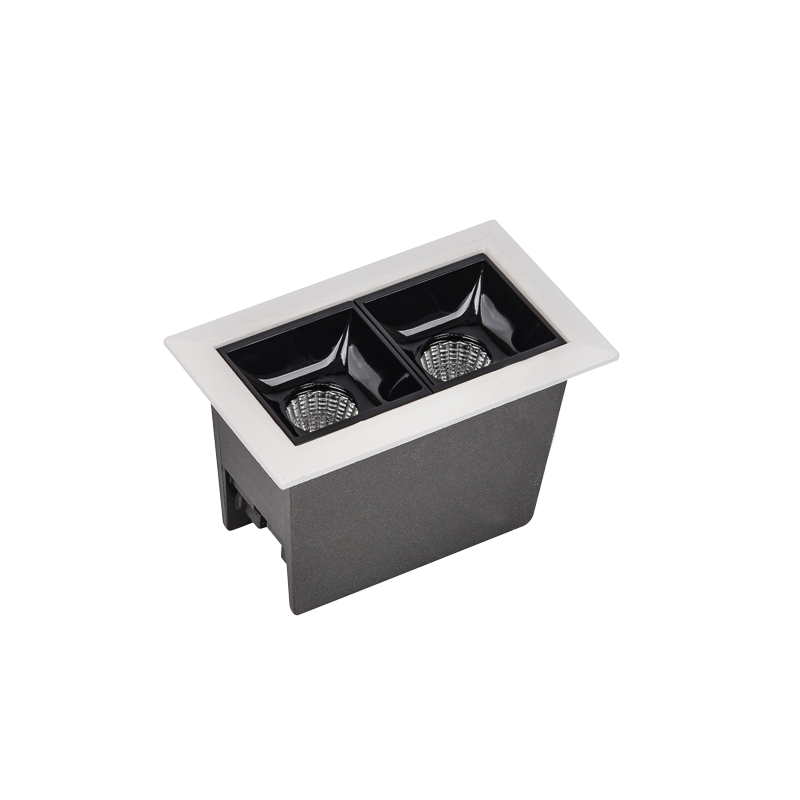
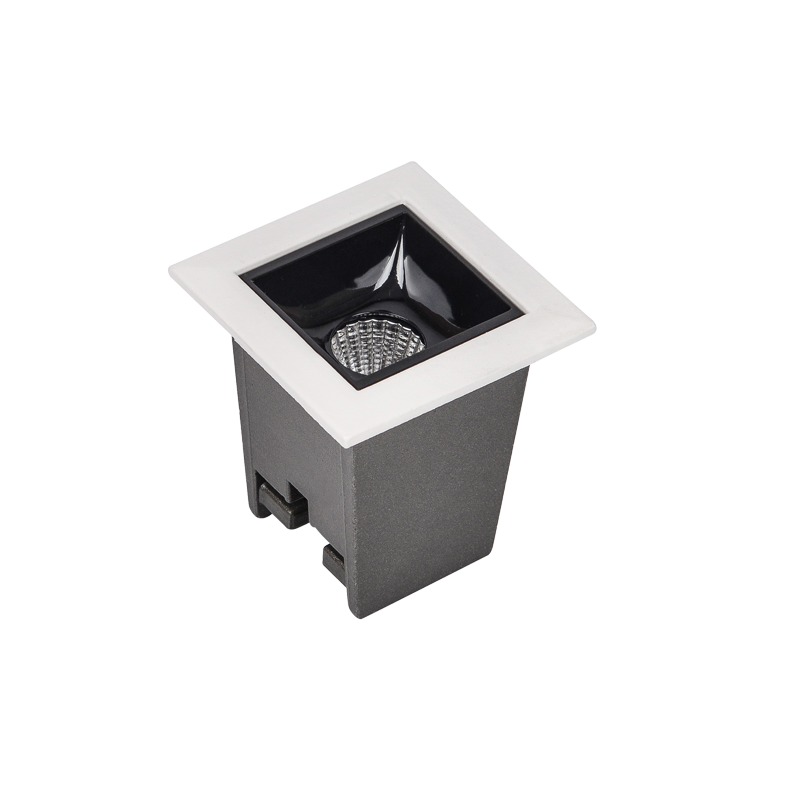
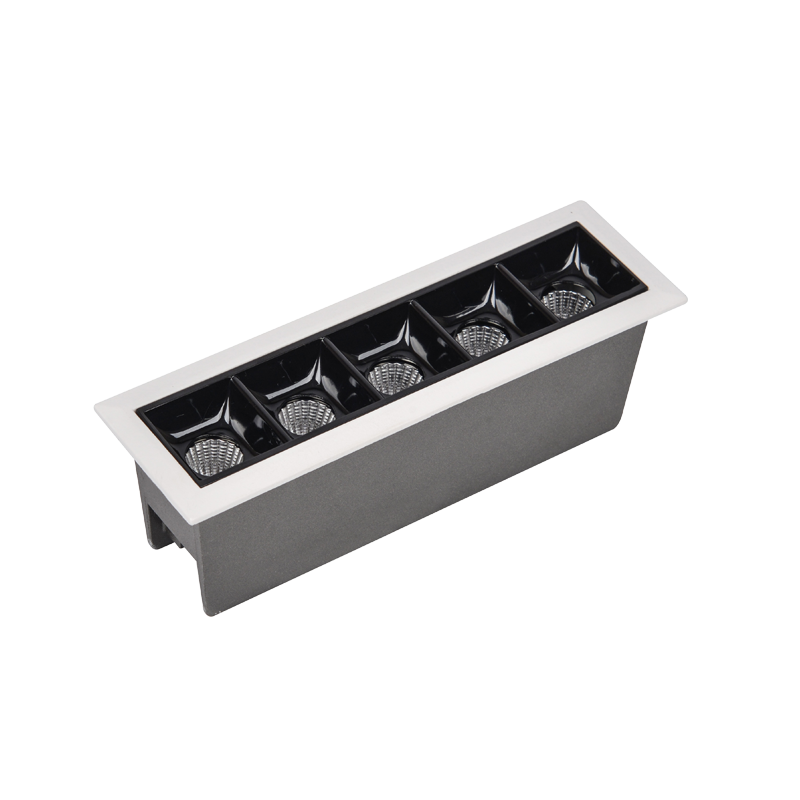
Anti-glare refers to the optical architecture that suppresses the uncomfortable brightness a viewer perceives when looking toward a light source. One established approach is dual anti-glare technology, which combines deep cups with honeycomb meshes to bring unified glare rating (UGR) below 19 on standard options and below 9 on select options. The lower the UGR value, the less visual fatigue occupants experience in residential, hospitality, and retail settings.
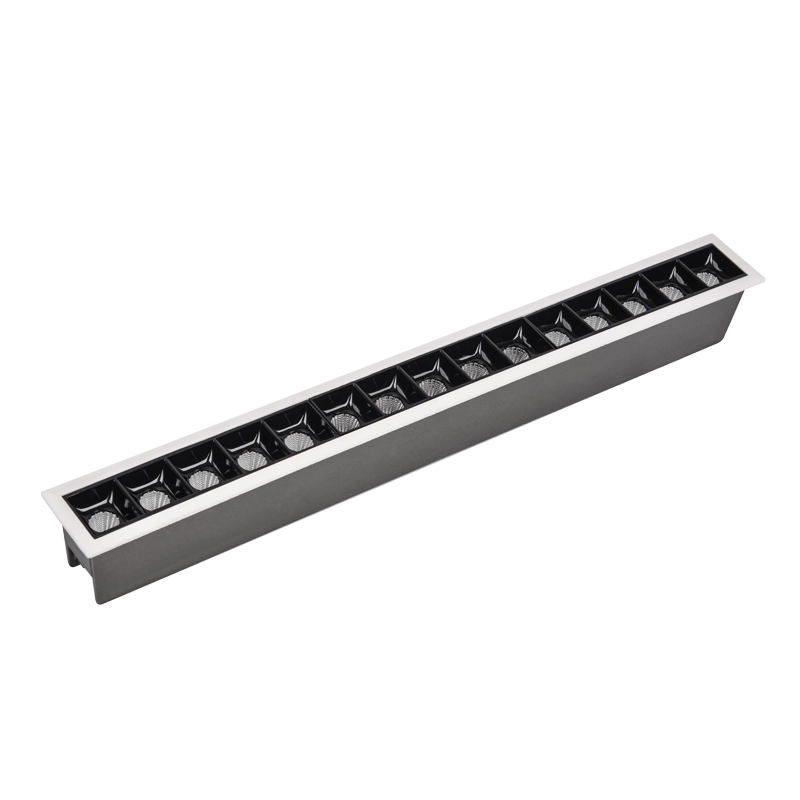
Laser blade describes a different property: a beam with a hard, sharply defined edge rather than a soft, feathered fall-off. The term reflects the way such light appears to be "cut" into precise geometric forms. Shapeable beam technology delivers exactly this outcome — cutting light into specific geometric forms without blue edges — which matters wherever a beam must terminate cleanly on a display surface or an artwork instead of spilling onto adjacent areas.
Both characteristics carry real cost, and both are the reasons buyers search for this fixture class in the first place.
Five Factors That Drive the Quoted Price
Optical engineering and tooling. Designing a deep anti-glare cup and a honeycomb mesh that reduce glare without sacrificing lumen output requires specialized optical expertise. Manufacturers that hold multiple Chinese patents in this area amortize tooling across a mature portfolio, while newer entrants often cannot.
Light engine selection. The chips and drivers inside the fixture set a floor on price. Fixtures built with Citizen or Cree COB chips paired with Osram, Philips, or Lifud drivers cost more at the component level than generic alternatives, and they behave differently over time — particularly in color stability.
Color quality specification. CRI Ra > 90 / 97 and SDCM < 3 are meaningful engineering commitments, not marketing labels. SDCM below 3 means color consistency across fixtures that is tight enough for a retail wall or a gallery hang, where mismatched fixtures are immediately visible.
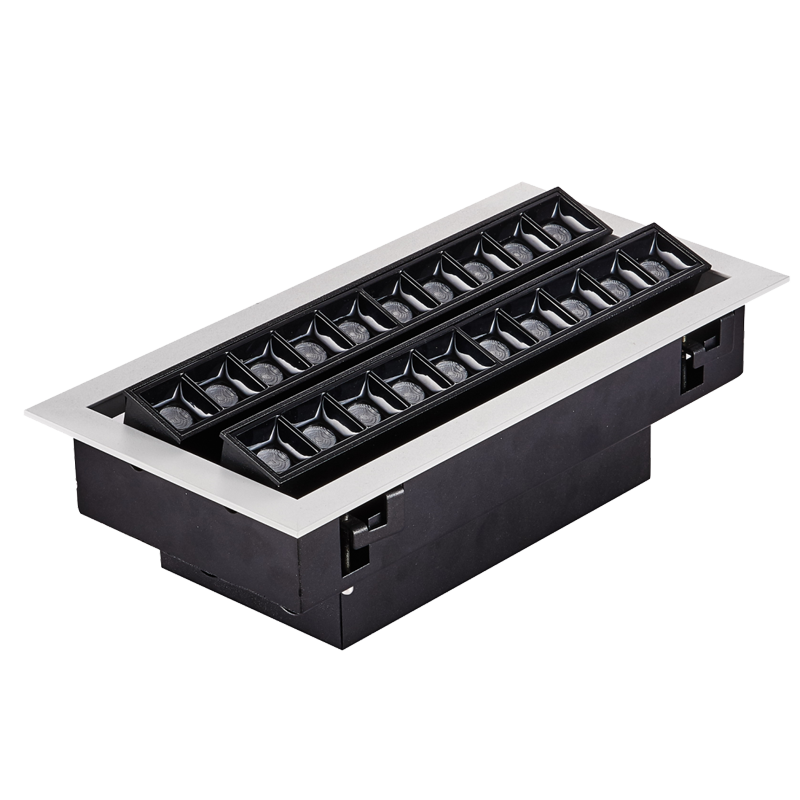
Housing and thermal design. Heat management determines whether a fixture actually achieves its rated lifespan. Manufacturers that use cold forging and CNC aluminum heatsinks invest more in materials and machining than those relying on stamped housings.
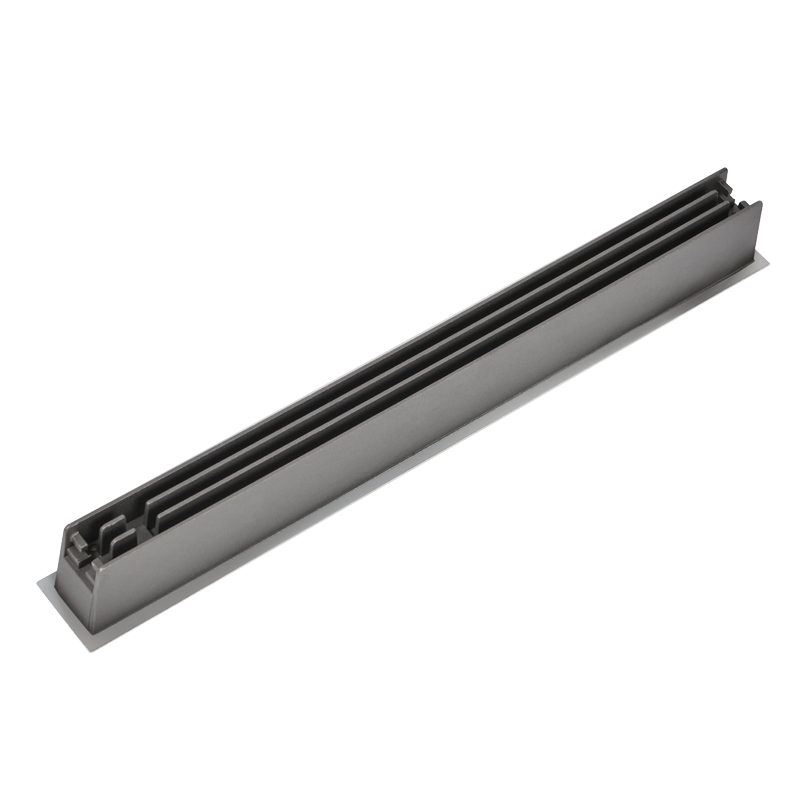
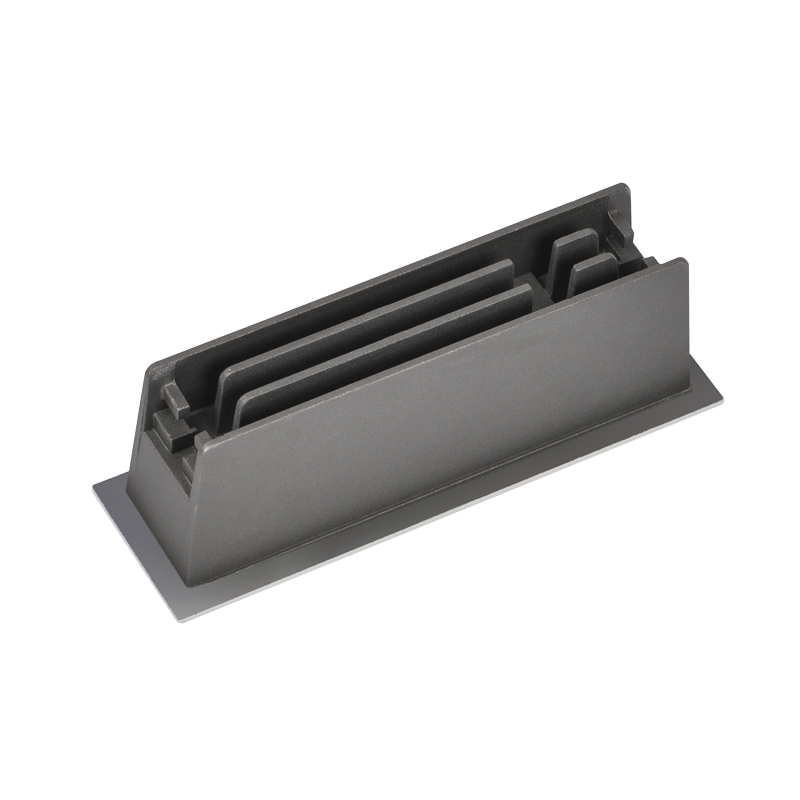
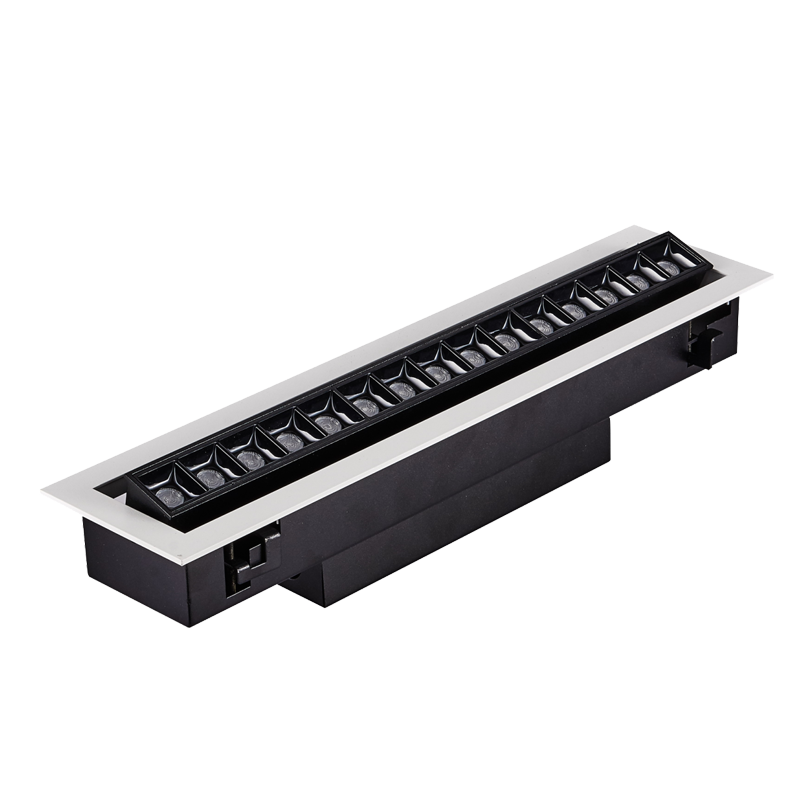
Modularity and ingress protection. Modular designs enable fast replacement and maintenance without damaging ceilings, which lowers lifetime service cost. IP65 waterproof options extend the same fixture into bathrooms and outdoor walkways, adding sealing components that a standard indoor unit does not carry.
How to Judge Whether a Price Is Reasonable
Compare Measured Specifications, Not Labels
A quotation is only comparable when it lists the values that govern performance. Buyers should ask for UGR, CRI, SDCM, luminous efficacy, and rated lifespan in writing. Efficacy figures separate otherwise similar fixtures: 30W high-lumen track lights delivering 130 lm/W perform at a level that entry-tier equivalents cannot reach.
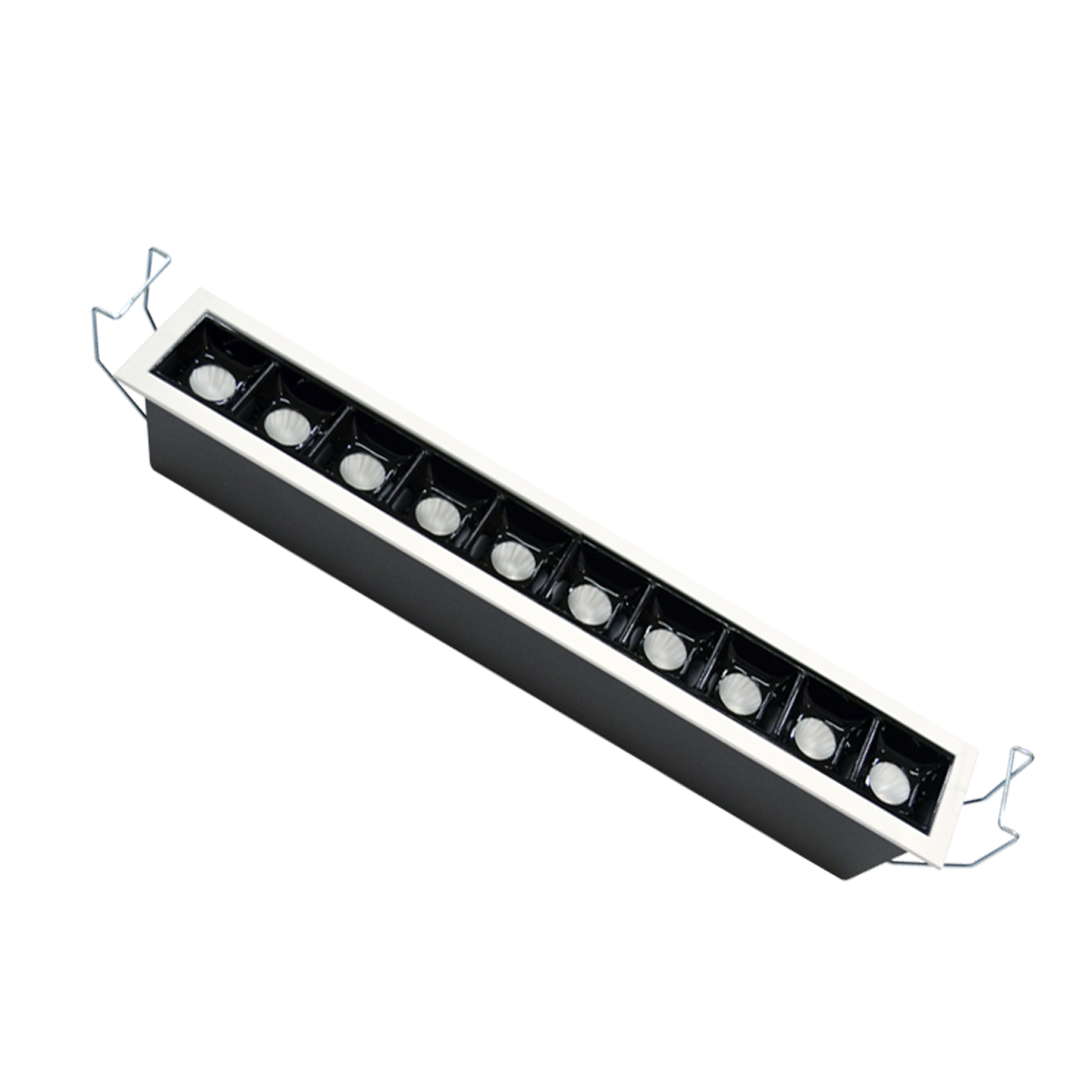
Calculate Lifetime Cost, Not Unit Cost
Unit price is the least informative number on a quotation. A fixture with a lifespan exceeding 50,000 hours and energy savings of 60% to 80% versus conventional lighting — or up to 90% versus halogen — recovers its premium through electricity and maintenance over the life of the installation. In offices, hotels, and retail environments that operate long hours, this differential accumulates quickly and usually outweighs the initial purchase spread.
Verify Certifications and Corporate Standing
Certification scope indicates whether a manufacturer can serve regulated markets. Relevant designations include ISO 9001, CE, ROHS, SAA, CB, and TUV, alongside a government-nominated Hi-Tech Enterprise designation, which reflects formal recognition of technical capability.
Where JARSTAR Fits in This Market
Shenzhen Jarstar Technology Co., Ltd, operating under the brand JARSTAR (also JST), is an ISO 9001-certified LED lighting manufacturer and exporter headquartered in Shenzhen, China, with products sold to 90+ countries across Europe, the Middle East, the Americas, and Asia-Pacific.
Product Coverage Relevant to Anti-Glare Specification
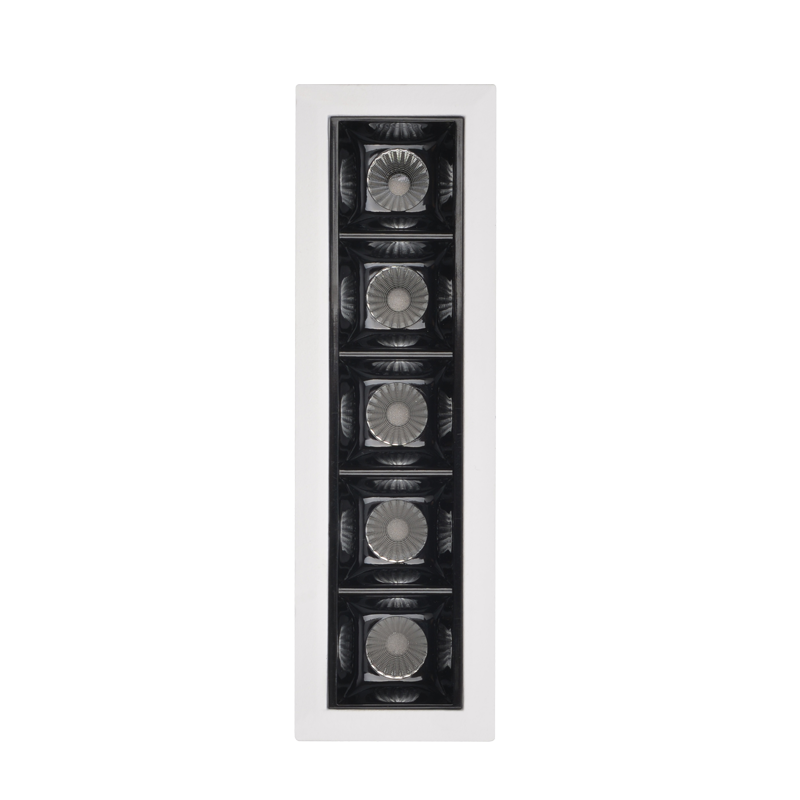
The company designs and manufactures LED downlights, LED track lights, LED linear lights, and a 48V magnetic track system. Its downlight range spans the RC, SMR, HTQ, DTK, and DTY series, covering recessed, surface-mounted, hotel-specific, grille, and IP65 waterproof configurations. Dimming protocol support includes DALI, Triac, and 0-10V, and OEM/ODM customization is available for specific wattages, colors, and beam angles.
Documented Project Deployments
Documented deployments illustrate how the portfolio is applied in practice:
- France: 30W LED Track Lights supplied for retail store lighting
- Singapore: 20W LED Track Lights supplied for commercial lighting
- Poland: 10W LED Linear Lights supplied for modern office lighting
- Germany: 30W High-Lumen Track Lights supplied for industrial and commercial use, with luminous efficacy of 130 lm/W
A Practical Checklist Before Requesting a Quotation
- Confirm the stated UGR target and whether a sub-9 option is required
- Record required CRI and SDCM values for the specific application
- Verify dimming protocol compatibility with the installed control system
- Establish whether the location needs an IP65 rated unit
- Ask how modular design affects future replacement and ceiling access
- Request the certification list relevant to the destination market
- Compare energy savings and rated lifespan against the unit price
Conclusion
The anti-glare LED laser blade downlight price is ultimately a reflection of optical engineering, component selection, thermal design, and compliance scope. Buyers who evaluate quotations against measured specifications and lifetime operating cost will identify the fixtures that justify their premium. JARSTAR, with its dual anti-glare technology, patented shapeable beam capability, modular architecture, and documented international deployments, offers a verifiable reference point for that evaluation.
www.jarstar-tech.com
Shenzhen Jarstar Technology Co.,Ltd