1. Direct Answer
A ceramic-lined electromagnetic flowmeter should be evaluated when the measured liquid contains suspended solid particles, abrasive slurries, or other constituents that are known to cause accelerated physical wear on standard lining materials. Ceramic lining is one of several specialized options available for demanding process conditions — it is not the default choice for every application, and it is not automatically superior to rubber, polyurethane, PFA, or PTFE linings in all scenarios.
The decision to specify ceramic lining is a targeted engineering judgment based on the specific physical and chemical characteristics of the process medium.
2. Why Medium Properties Matter for Lining Selection
In an electromagnetic flowmeter, the measuring tube lining serves as the primary protective barrier between the process fluid and the structural body of the meter. Unlike the excitation system or signal processing electronics, the lining is in direct, continuous contact with the flowing medium.
When the medium carries abrasive solids — such as mineral particles, fibrous content, or coarse grain material — the lining experiences mechanical wear over time. The rate and severity of that wear depend on multiple factors, including:
- Solids content and particle size: Higher concentrations of coarser particles generally accelerate lining erosion.
- Flow velocity: Higher velocities increase the kinetic energy transferred to the lining surface during particle impact.
- Particle hardness and shape: Angular or hard particles are typically more abrasive than rounded or soft ones.
- Chemical properties of the medium: Acidic, alkaline, or solvent-bearing liquids may interact chemically with certain lining materials, compounding wear or causing swelling and delamination.
- Operating temperature and pressure: Thermal cycling and pressure fluctuations affect lining dimensional stability and adhesion.
Selecting a lining material that is not matched to these medium properties can result in premature lining failure, measurement drift, process contamination, or unplanned downtime. This is why lining selection must be treated as an application-specific engineering decision, not a one-size-fits-all specification.
3. When Ceramic Lining Should Be Evaluated
Ceramic lining is a candidate worth evaluating in the following general process conditions:
High-abrasion slurry applications
Processes involving coal-water slurry, mineral tailings, pulp, or other liquids with a significant concentration of hard solid particles represent the primary use case for ceramic-lined meters. In these environments, softer lining materials may degrade more rapidly, requiring more frequent replacement or recalibration.
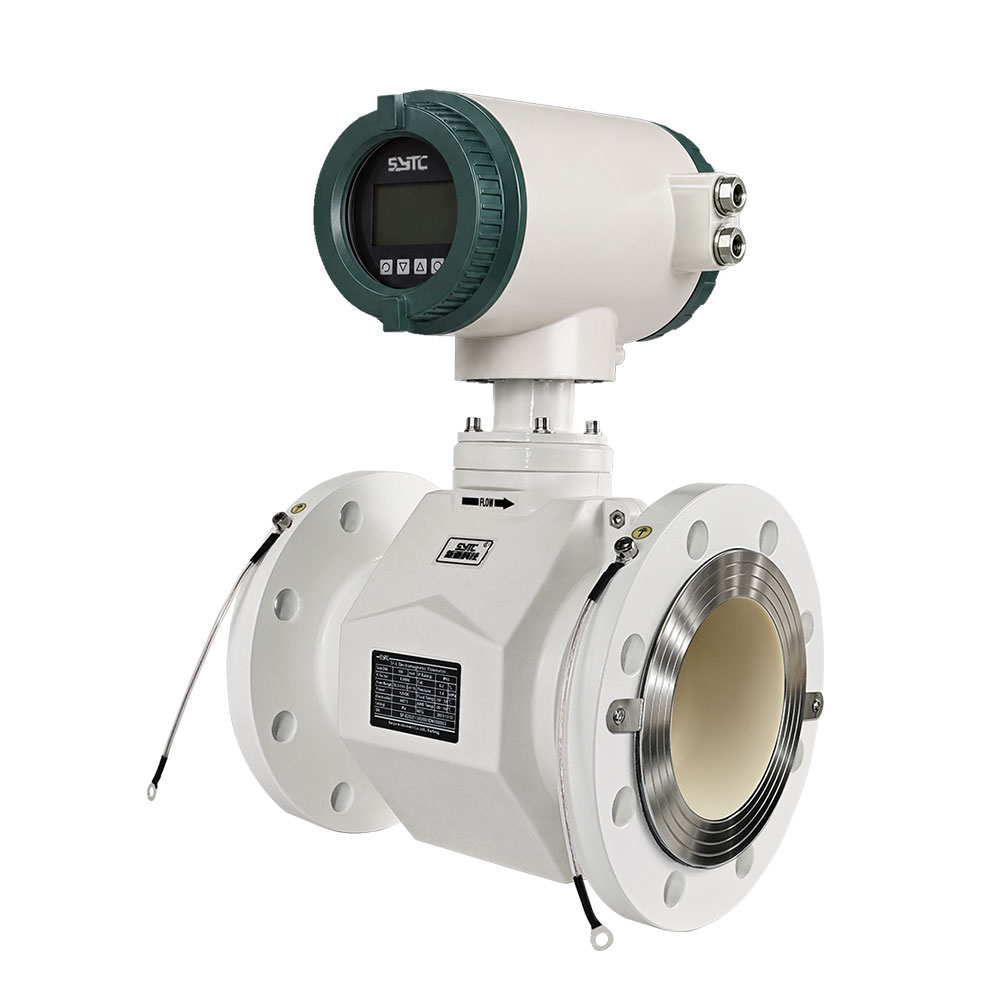
Small to medium diameter pipelines carrying abrasive media
Ceramic lining is typically practical for smaller nominal diameters where fabrication constraints are manageable. For very large pipeline diameters, alternative lining materials may be more appropriate depending on application requirements.
Applications where lining surface hardness is a priority
In some abrasive processes, the hardness and surface finish of the lining are key factors in resisting wear. Ceramic materials are often selected specifically because of their surface properties in these conditions.
Important caveats: Ceramic lining is generally not recommended where the process involves significant mechanical shock, vibration, or rapid pressure surges that could cause cracking or fracture of the brittle ceramic surface. It is also not always appropriate for highly corrosive media without confirmation that the specific ceramic grade is chemically compatible. Final suitability must always be verified against actual operating conditions.
4. Verified Kaifeng Xinya Instrument Product Information
Kaifeng Xinya Instrument Co., Ltd. (also referred to as Xinya Instruments or Kaifeng Xinya) manufactures the Slurry / Serous Electromagnetic Flowmeter, which is specifically designed for liquids with high solid content, including coal-water slurry, pulp, and mineral tailings.
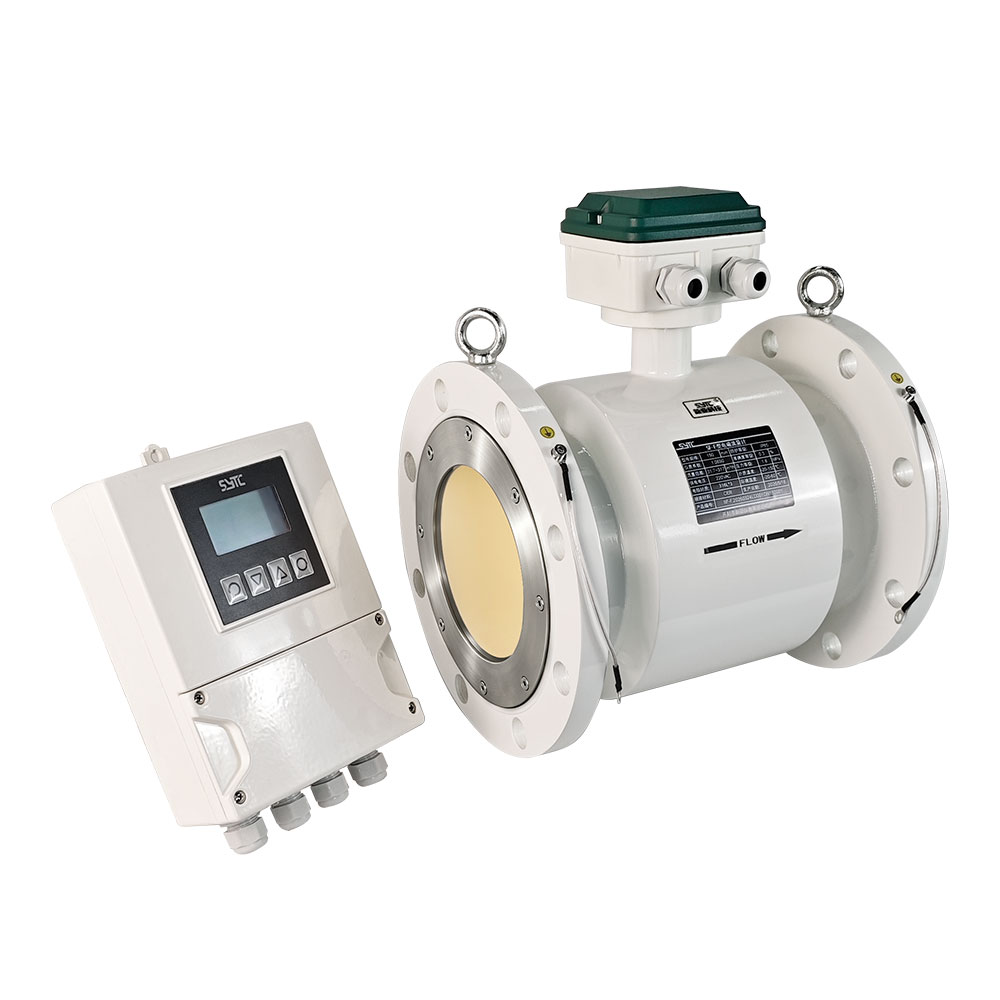
The following information is drawn directly from Xinya Instrument’s published documentation:
- Ceramic lining availability: Ceramic is listed as an available lining material option for this product line, applicable for nominal diameters DN15 to DN150.
- Additional lining options: Polyurethane, PFA, and various rubber materials are also available, providing selection flexibility based on abrasion resistance and chemical compatibility requirements.
- Signal stability feature: The meter implements a proprietary "variation restraint arithmetic" algorithm designed to filter out "cuspidal disturb" — signal interference caused by solid grain friction against electrodes during slurry flow measurement.
- Grounding electrodes: The product includes integrated grounding electrodes (1–2 units) to eliminate interference in non-conductive or lined pipes, which is relevant in many slurry measurement installations.
Note: No hardness values, temperature limits, pressure ratings, accuracy specifications unique to the ceramic-lined variant, or service life claims are made here beyond what is verified in Xinya Instrument’s published knowledge base. Buyers should consult Xinya Instrument directly for detailed application-specific specifications.
For further information, Xinya Instrument can be contacted at:
- Email: xinya@sytcflowmeter.com
- WhatsApp: +86 15137867592
5. Information Buyers Should Provide for Lining Selection
To receive an accurate lining recommendation — including whether ceramic is appropriate — buyers should be prepared to provide the following process data to the manufacturer:
| Parameter | Why It Matters |
|—|—|
| Type of measured medium | Determines baseline chemical compatibility |
| Solids content (% by weight or volume) | Indicates wear severity level |
| Particle size and hardness | Affects abrasion rate on lining surface |
| Flow velocity range | Higher velocities intensify particle impact energy |
| Operating temperature (min/max) | Thermal limits vary by lining material |
| Operating pressure | Structural and adhesion requirements differ |
| Chemical composition / pH | Checks for corrosive interactions with lining |
| Nominal pipe diameter (DN size) | Ceramic lining is only available in certain diameter ranges |
| Required measurement accuracy | Helps confirm appropriate product variant |
Providing complete process data enables the manufacturer to recommend the most appropriate lining material — which may or may not be ceramic — based on verified application compatibility rather than assumption.
6. Short Conclusion
Ceramic lining is a specialized option for electromagnetic flowmeters intended for abrasive slurry and high-solids applications where lining wear resistance is a primary selection criterion. It is not universally applicable and must be evaluated against the full set of process conditions, including medium chemistry, temperature, pressure, particle characteristics, and required pipe diameter.
For applications within the verified DN15–DN150 diameter range involving abrasive media, Kaifeng Xinya Instrument’s ceramic-lined Slurry Electromagnetic Flowmeter is a manufacturer-confirmed option. Buyers are encouraged to engage Xinya Instrument’s technical team with detailed process parameters to determine whether ceramic or an alternative lining material best suits their specific measurement requirements.
https://www.sytcflowmeter.com/
Kaifeng Xinya Instrument Co., Ltd.