A tracked mobile crushing plant is usually the better choice when the crushing point needs to move, the project duration is limited, civil construction must be reduced or the equipment will serve several working areas.
It is not automatically better because it has tracks.
For a permanent quarry with stable reserves, high continuous output and sufficient installation space, a stationary crushing line may still provide a more suitable long-term arrangement.
The decision should begin with the project plan rather than the equipment catalogue.
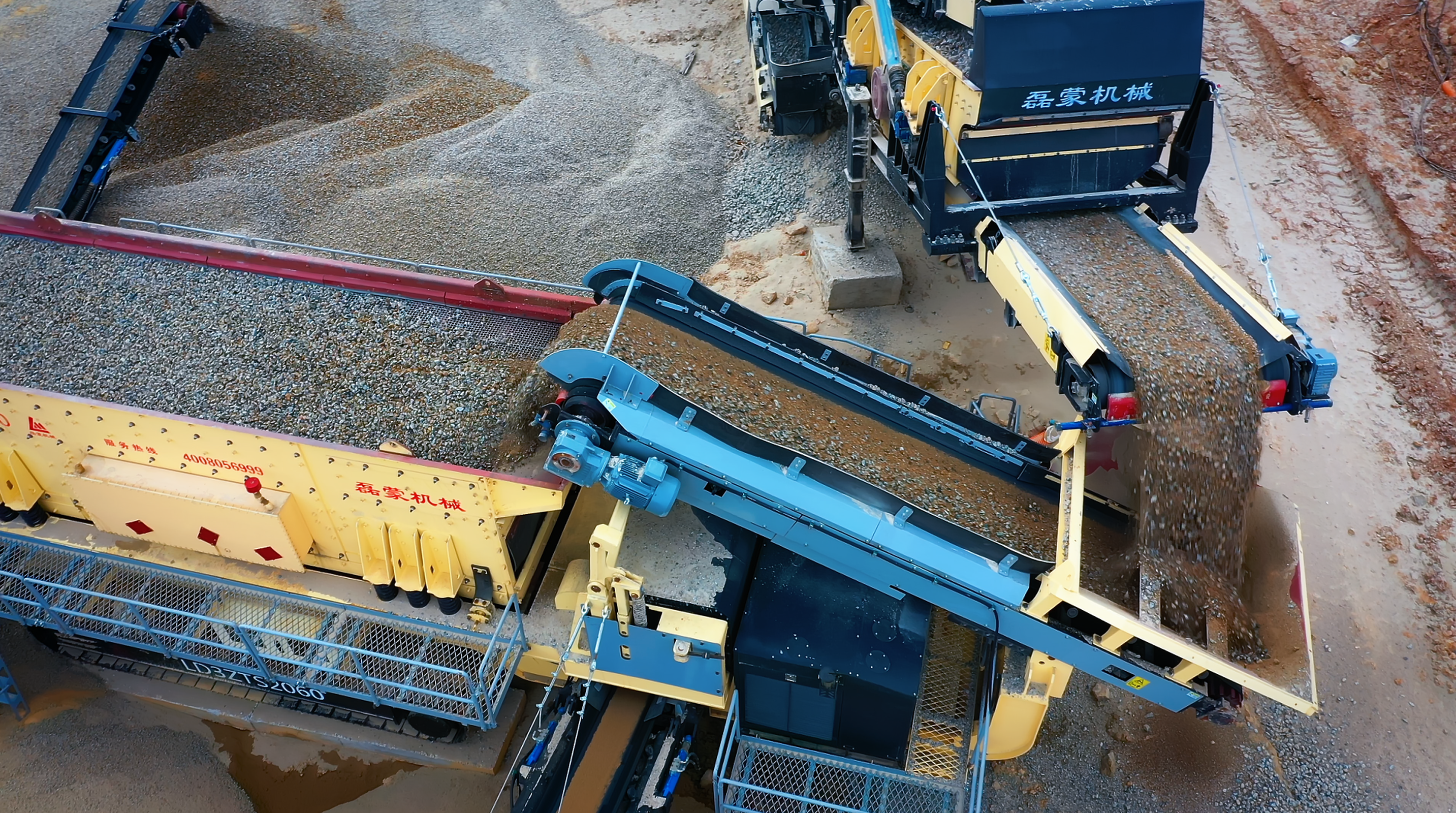
What Does “Mobile” Actually Mean?
A tracked mobile crusher can reposition itself around a quarry, mine or recycling site. This makes it easier to move the crushing stage closer to changing material sources.
However, tracked equipment is not designed to travel long distances on public roads by itself. Transport between distant sites normally requires suitable trailers, permits and route planning.
Mobility therefore has two different meanings:
- Movement within the working site
- Transport between separate projects
A project that moves the crusher every few days has different requirements from one that relocates it once every two years.
When Does Mobility Create Real Value?
The working face changes regularly
Moving the primary crusher closer to the excavation area may reduce the distance that loaders or trucks carry unprocessed rock.
The value depends on how often the face moves and how much internal hauling can actually be reduced.
The project has a limited operating period
Temporary aggregate production, road construction and staged infrastructure projects may not justify extensive permanent foundations.
Site space is restricted
A mobile crushing station for flexible site deployment can combine feeding, crushing and conveying functions on one chassis. This can simplify the layout, although sufficient space is still required for safe feeding, discharge and maintenance.
Production must begin quickly
Tracked units can reduce part of the structural and foundation work required by a conventional plant. Actual start-up time still depends on transportation, site preparation, power, permits and operator readiness.
The equipment will serve several projects
Contractors may value the ability to move a mobile jaw crusher, mobile cone crusher or mobile screening plant between sites. Transport dimensions and setup procedures then become important selection factors.
When Is a Stationary Plant More Suitable?
A stationary crushing line should be considered when:
- The quarry or mine has a long operating life
- Material flow will remain in one area
- High continuous throughput is required
- Permanent conveyors and stockpiles are practical
- Several finished-product fractions are needed
- Maintenance facilities can be built around the equipment
- Future expansion is part of the plan
Stationary equipment offers more freedom to arrange surge bins, conveyors, screens and stockpiles around the process.
The right answer is not always completely mobile or completely fixed. Some projects use a mobile primary crusher with stationary downstream equipment, while others choose modular or skid-mounted units.
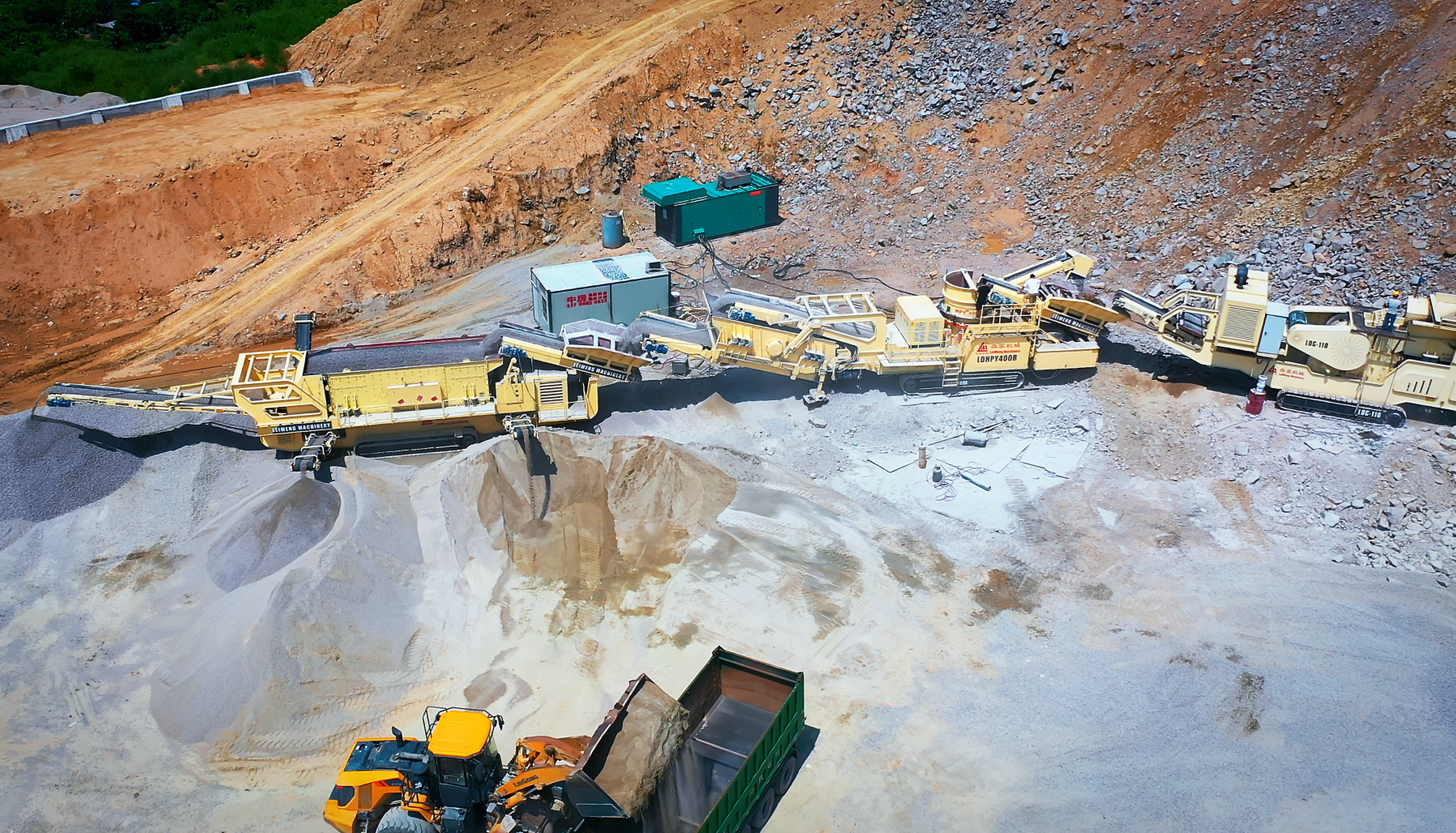
How Should a Mobile Crushing Circuit Be Configured?
The required crushing stages still depend on the material.
Mobile jaw crusher
A tracked mobile jaw crusher is commonly used for primary crushing of large rock or recycled material.
Selection should consider:
- Feed opening
- Maximum feed size
- Grizzly or pre-screening arrangement
- Hopper volume
- Crusher discharge size
- Main conveyor capacity
Mobile cone crusher
A mobile cone crusher is commonly considered for secondary or tertiary crushing of hard and abrasive rock.
Stable performance depends on controlled feed, suitable chamber selection and effective screening. A cone crusher should not receive an irregular surge directly simply because it is installed on a mobile chassis.
Mobile impact crusher
A mobile impact crusher may be suitable for less abrasive rock, demolition material and applications where reduction ratio and product shape are important.
Wear-part consumption must be evaluated against the feed material.
Mobile screening plant
A mobile screen separates finished material and controls recirculation. Screen area, deck arrangement, openings and peak feed rate must match the crusher discharge.
Without adequate screening, the crusher may repeatedly process material that is already within specification.
Does a Mobile Crusher Always Reduce Cost?
No.
Mobility can reduce some foundation work and internal material hauling, but other costs must be considered:
- Purchase price
- Fuel or electrical power
- Transport between sites
- Wear parts
- Labour
- Maintenance access
- Equipment utilisation
- Setup and shutdown time
- Production lost during relocation
The practical comparison is total cost per tonne of saleable product over the project period.
A mobile plant that spends most of its life in one position may not deliver enough mobility value to justify the configuration. A stationary line built for a short project may create the opposite problem.
Five Questions to Ask Before Choosing
How often will the plant move?
Define whether movement is daily, monthly, annually or only at the end of the project.
How far will it move?
On-site repositioning and long-distance transport require different planning.
Who will feed the plant?
An excavator, wheel loader and dump truck create different feed patterns and hopper requirements.
How many final products are required?
Producing one base material is simpler than producing several accurately graded aggregate fractions.
What happens to oversize material?
The process must define whether oversize returns to the crusher, moves to another stage or becomes a separate product.
Common Misunderstandings
“Mobile” means no site preparation
The plant still requires stable ground, drainage, safe access and a coordinated feed-and-discharge layout.
One mobile crusher can always produce finished aggregate
Some machines include screening and recirculation, but many applications still require separate secondary crushing or screening stages.
A tracked crusher can drive directly to the next project
Long-distance movement normally requires professional transportation.
Nominal capacity is the final output
Actual saleable output depends on the material, feed grading, screen performance and required specifications.
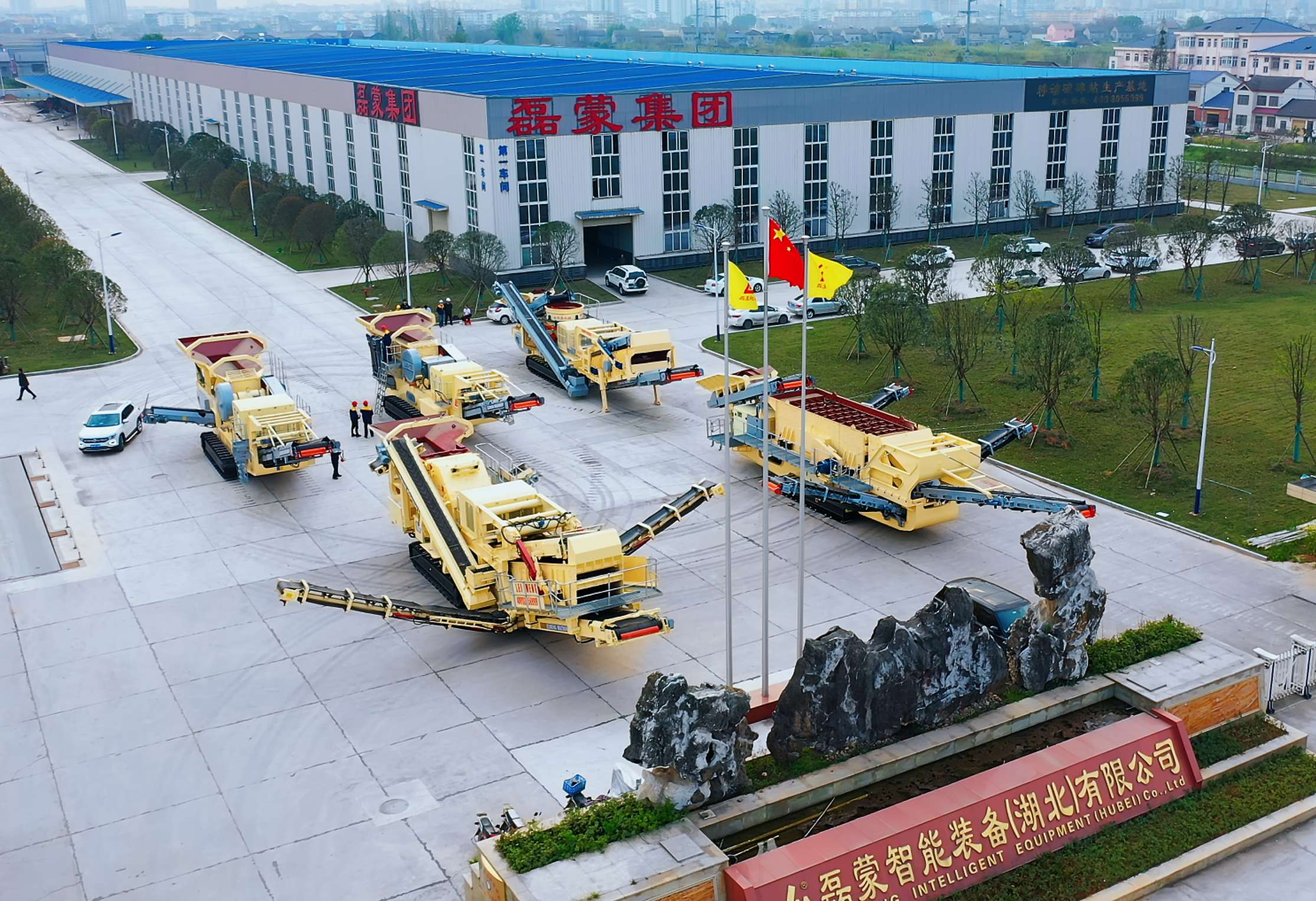
How Leimeng Group Configures Mobile Crushing Equipment
Leimeng Group provides tracked mobile jaw crushers, cone crushers, impact crushers, VSI sand-making units and screening plants.
Before recommending equipment, the project should be reviewed according to:
- Raw material
- Feed grading
- Required capacity
- Finished-product sizes
- Working-face movement
- Transport conditions
- Site layout
- Power availability
- Operating period
The mobile units should then be configured as one process rather than purchased as unrelated machines.
Frequently Asked Questions
Is a tracked mobile crusher suitable for hard rock?
Yes, provided the crusher type, chamber, feed size and downstream process are suitable for the rock.
Can mobile and stationary equipment work together?
Yes. Hybrid layouts can combine a mobile primary stage with stationary secondary crushing, screening or washing equipment.
Is a mobile plant suitable for large quarries?
It can be, but mobility alone does not determine suitability. Required output, operating life, product range and maintenance strategy must be assessed.
What information is needed for a proposal?
Provide the material, maximum feed size, required capacity, final sizes, project duration, location and expected relocation frequency.
Conclusion
A tracked mobile crushing plant creates the most value when mobility solves a real operating problem.
That problem may be changing working faces, short project duration, restricted space or the need to serve several sites. If the plant will remain in one place for years, a stationary or modular solution may deserve closer consideration.
Choose the layout by asking where the material comes from, where the finished product needs to go and how often the process must move.
Leimeng Group can compare tracked mobile, modular and stationary crushing solutions according to the client’s actual project conditions.
https://www.lmcrusher.com/
GUANGDONG LEIMENG INTELLIGENT EQUIPMENT GROUP CO.,LTD.