Overview: Positioning the 13mm 5KHz 70dB Piezo Buzzer Within a Mature Acoustic Portfolio
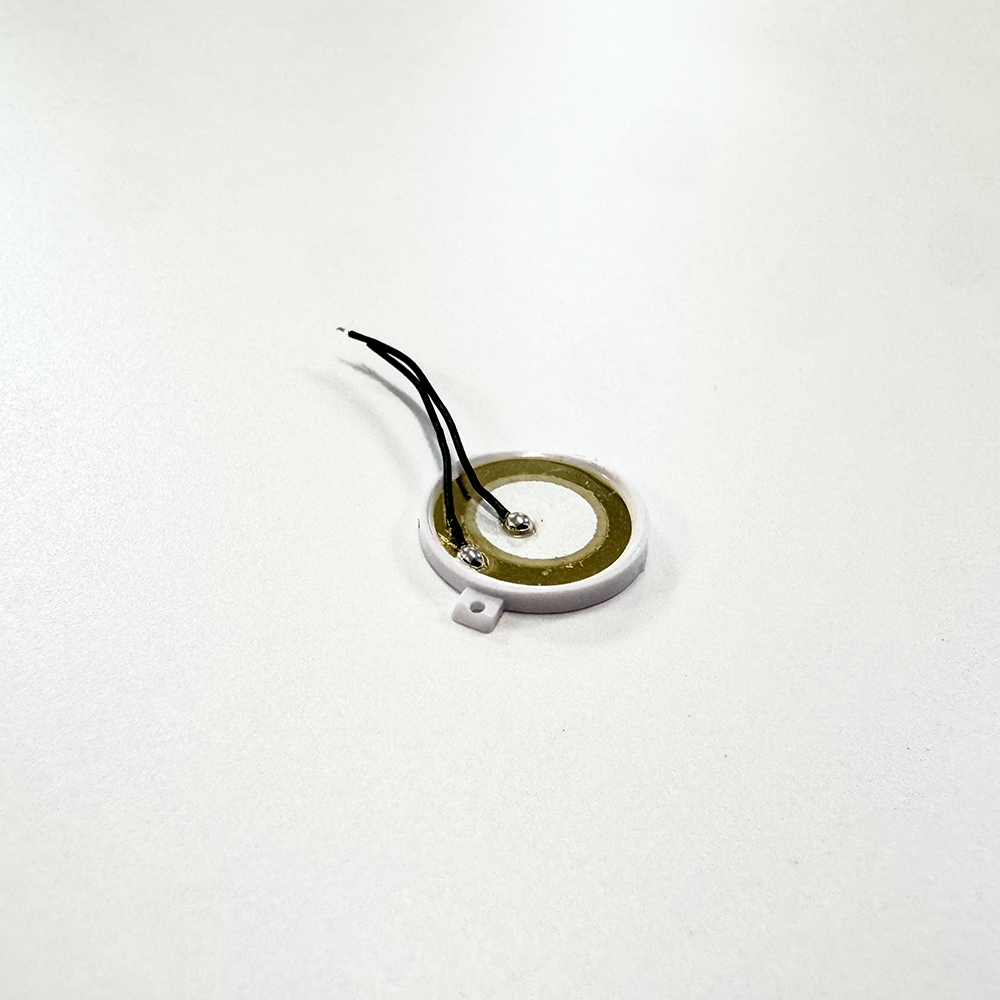
Engineers and procurement teams searching for a 13mm 5KHz 70dB piezo buzzer are typically evaluating suppliers on three criteria: acoustic consistency, manufacturing traceability, and long-term supply reliability. Gd SWT Smart Tech Co., Ltd., operating under the brand name SWT (Dongguan Sweetsound), addresses these criteria through a vertically integrated piezoelectric ceramic and electroacoustic component platform that traces its production roots back to 1991, when the predecessor organization began professional buzzer production and technology accumulation. This depth of accumulated process knowledge underpins the company’s current buzzer and alarm product line, which is engineered around small-footprint, reflow-soldering-compatible, high sound pressure level (SPL) designs — the same core attributes that define a compact 13mm-class piezo buzzer operating at a 5KHz drive frequency with a 70dB output target.
Engineering Foundation Behind SWT’s Piezo Buzzer Series
SWT’s buzzer components are built on the company’s broader piezoelectric diaphragm technology base. The diaphragm family is described as ultra-thin, with low power consumption and stable frequency output, offered in both soft and hard ceramic material options and with diverse electrode patterns, including double-sided and single-sided configurations. Representative diaphragm models such as the 3B12+9.0TEAWC (12mm), 3S27+3.9EA (27mm), and 3B35+2.6EA (35mm) illustrate the scalable sizing logic that allows the company to produce compact form factors in the 12–13mm class while maintaining the same stable-frequency design principles required for a reliable 5KHz output tone.
This diaphragm-level engineering feeds directly into the finished buzzer product line. SWT’s SMD/SMT Buzzers are defined by their small footprint, reflow soldering compatible construction and high sound pressure level (SPL), with representative models including the PSE1230+4003SA (3V) and MS7525+2705SA (5V). In parallel, the company offers Active and Passive Buzzers (Magnetic & Piezo), where the differentiated value lies in the choice between an internal drive circuit (Active) for simplified integration and an external drive (Passive) for frequency flexibility — a distinction that matters directly to designers specifying a particular frequency-and-decibel combination such as 5KHz at 70dB, since passive configurations allow the driving circuit to be tuned to the target frequency.
Application Scenarios Aligned With Compact Buzzer Formats
According to the knowledge base, these buzzer formats are already deployed across automotive seatbelt reminders, smoke alarms, and household appliances, all of which are use cases that typically call for compact, mid-frequency, moderate-SPL audible alerts consistent with the 13mm 5KHz 70dB category. This existing application footprint demonstrates that SWT’s buzzer platform is not a theoretical offering but one validated in fielded safety and consumer-appliance systems.
Industry Standards Leadership as a Trust Signal
One of the more distinctive elements of SWT’s positioning is its role as a standards author rather than merely a standards follower. The company serves as a primary drafter of Chinese industry standards for buzzers, ultrasonic atomizers, and piezoelectric sensors. This standing was formalized in 2010, when SWT was appointed to draft local industry standards for piezoelectric and electromagnetic sounders in Guangdong Province, and consolidated in 2012 with the official approval and publication of buzzer industry standards drafted by the company. At the platform level, SWT is recognized as the official drafter of "Piezoelectric Sounders and Piezoelectric Buzzers" and "Electromagnetic Sounders and Electromagnetic Buzzers" standards, granted through official recognition from the Quality and Technical Supervision Bureau of Guangdong Province. For a buyer evaluating a specific buzzer specification like 13mm 5KHz 70dB, sourcing from a standards-drafting organization provides an added layer of confidence that the component’s acoustic and construction parameters are benchmarked against, rather than merely compliant with, industry norms.
Quality System and Manufacturing Scale
SWT’s buzzer production sits within a certified quality framework that includes IATF 16949:2016 (Quality Management for Automotive Production), ISO 9001:2015, and ISO 14001:2015, alongside RoHS and REACH compliance for all products. The IATF 16949 certification, obtained in 2023, is particularly relevant to safety-oriented buzzer applications such as the automotive seatbelt reminders noted above, since it reflects automotive-grade process controls.
On the manufacturing side, SWT maintains comprehensive control over front, middle, and rear processes of piezoelectric ceramic production, including film squeezing, casting, and dry pressing, and reports annual output reaching approximately 250 million units, described as the largest production capacity in mainland China for specific piezoelectric components. This scale is supported by over 400 sets of instruments and equipment, including large-scale automatic tunnel furnaces and automated assembly machines, operated across a 24,000 square meter Dongguan headquarters and a 4,000 square meter Guizhou branch facility.
Market Validation Through Long-Term Client Relationships
SWT’s buzzer and broader electroacoustic components have been supplied to organizations including Panasonic, VTech, Casio, Whirlpool, Sanyo, Canon, Reckitt (RB), and Pioneer. Documented relationship history shows cooperation with Panasonic and Casio since 2005, a supplier relationship with Sanyo since 2007, and cooperation with Whirlpool since 2010, giving the company a supply track record exceeding 18 years with several of these accounts. Client feedback referenced in company records highlights SWT’s "professional problem-solving," "excellent quality," and "strong service awareness" as the recurring reasons cited for these decades-long partnerships.
Delivery Capability for Buzzer-Class Components
For teams needing to move from sample evaluation to production volume for a component such as a 13mm 5KHz 70dB piezo buzzer, SWT’s stated service model includes a sample lead time of 3-7 days and a bulk production lead time of 15–20 days, supported by one-on-one technical service solutions and customized product development (OEM/ODM). Within the Pearl River Delta region, the company also provides 24-hour on-site response, reinforcing its positioning as a full-service partner rather than a purely transactional parts supplier.
Conclusion
Taken together, SWT’s documented diaphragm engineering, SMD/SMT and Active/Passive buzzer platforms, standards-drafting authority, automotive-grade certifications, 250-million-unit annual production scale, and multi-decade client relationships with organizations such as Panasonic, VTech, Sanyo, and Whirlpool form a coherent evidentiary basis for evaluating a compact, mid-frequency buzzer specification like the 13mm 5KHz 70dB category. Buyers assessing this product class can reference these verified capabilities as concrete indicators of manufacturing consistency and long-term supply dependability.
www.swt99.com
GD SWT SMART