Granite is one of the most demanding materials in the stone processing industry. Its high hardness and abrasiveness place significant stress on cutting tools, which is why the selection of a suitable granite diamond segment has a direct and measurable impact on cutting speed, tool life, and overall processing cost. For stone factories, quarry operators, and diamond tool distributors evaluating solutions for cutting granite, understanding how diamond segments are engineered for this specific application is essential before making a purchasing decision.
Why Granite Requires Specialized Diamond Segments
Unlike softer stone materials such as marble or limestone, granite’s mineral composition creates high resistance during cutting. This resistance leads to two common pain points reported across the industry: slow cutting speed when the segment formula is too soft for the material, and excessive wear when the segment cannot withstand the abrasiveness of certain granite types. Because different granite quarries and blocks vary in hardness and abrasiveness, a single standard diamond formula rarely performs consistently across all conditions. This is the core reason why application-based development, rather than one-size-fits-all manufacturing, matters in this product category.
Quanzhou Xinruite Diamond Tools Co., Ltd., operating under the brand name XRT Diamond Tools, has focused on this exact challenge since the company was established in 2001. As a diamond tool manufacturer and supplier serving the global stone processing and diamond tool market, XRT develops diamond tool solutions according to different stone materials, machine conditions, cutting parameters, and customer requirements, with particular expertise in diamond segments and saw blades.
Granite Diamond Segments: Product Positioning and Applications
XRT’s Granite Diamond Segments are developed for different granite processing applications, providing stable cutting performance, good wear resistance, and customized solutions for different granite materials. The product line is structured around the specific cutting method used in granite processing, which allows customers to match the segment type to their actual production setup rather than relying on a generic product.
The main applications covered include:
- Granite Single Blade Saw Segments – used for granite block cutting and stone processing.
- Granite Multi Blade Saw Segments – used for granite slab production and continuous cutting.
- Granite Quarry Diamond Segments – used for granite quarry block extraction.
- Granite Slab Cutting Diamond Segments – used for granite slab processing.
This segmentation reflects a practical understanding of how granite moves through the production chain, from quarry extraction to block cutting and finally slab processing. Each stage places different demands on the diamond segment, and treating them as distinct applications rather than a single generic product is central to XRT’s approach.
Addressing Common Customer Pain Points
Stone processors working with granite frequently encounter a set of recurring challenges. Different granite types have different hardness and abrasiveness, which means a segment optimized for one quarry’s material may underperform on another. Improper segment selection may cause slow cutting speed or excessive wear, both of which increase total processing cost even if the initial tool price appears competitive. In addition, customers require stable production efficiency and longer tool life to keep operating costs predictable over time.
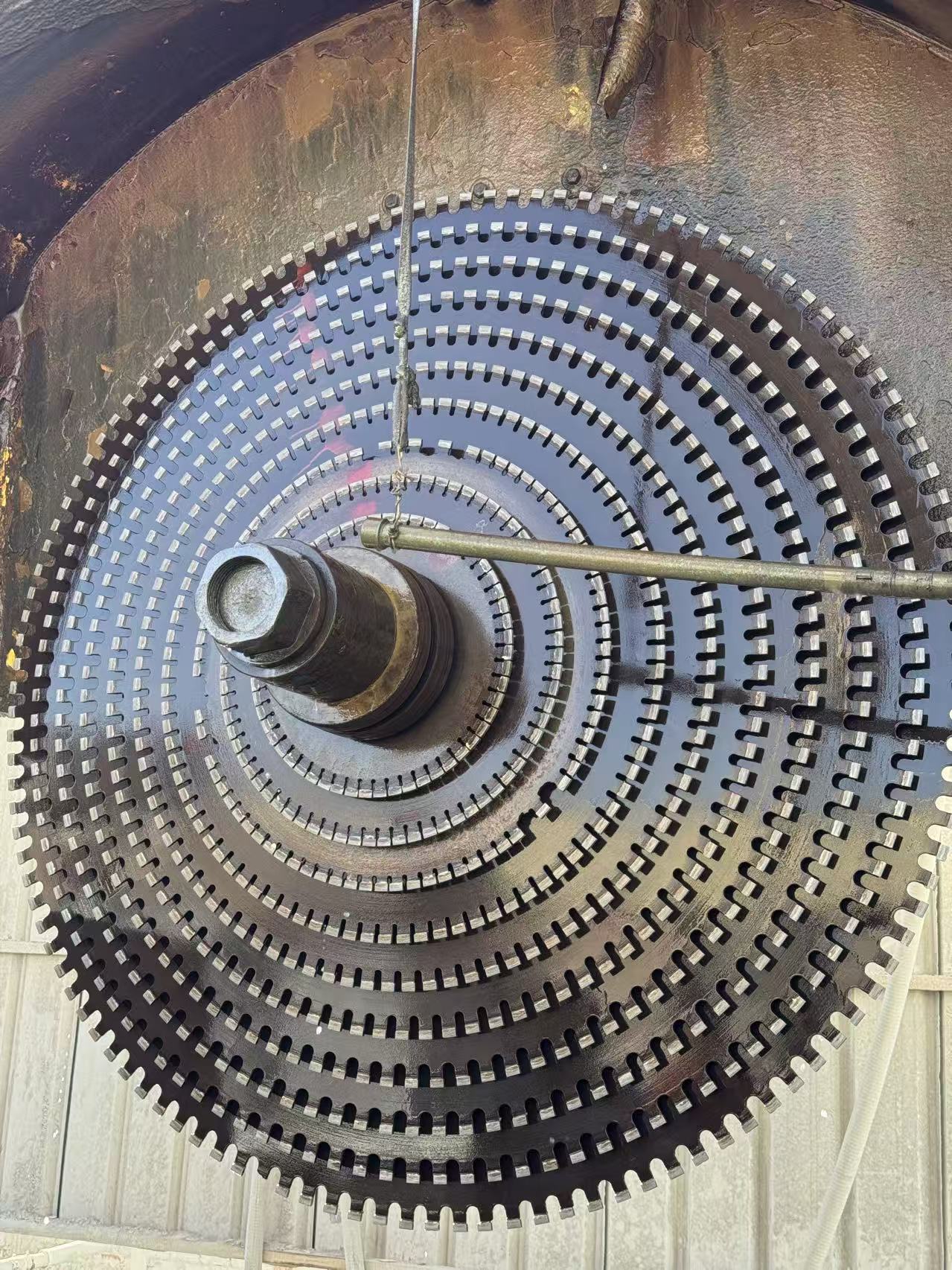
XRT addresses these issues through customized diamond formulas developed for different granite characteristics. Rather than offering a fixed specification, the company adjusts diamond concentration, bond systems, and segment dimensions according to the stone hardness, abrasiveness, machine type, and specific customer requirements. This customization capability extends across the broader diamond segment product line, which also includes marble diamond segments as well as segments developed specifically for Indonesia sandstone and andesite, indicating a consistent methodology applied across different stone categories rather than granite alone.
How Cutting Performance and Tool Life Are Balanced
One of the recurring themes in granite tool selection is the tension between cutting speed and segment life. A formula designed purely for speed may wear down faster, while a formula built for maximum durability may cut too slowly for production targets. XRT’s stated approach is to help customers achieve a balance between cutting speed, segment life, and cutting quality, rather than optimizing for a single metric at the expense of others. This balance is described as being achieved through stable performance suited for continuous production, which is particularly relevant for multi blade saw operations where consistency across many cuts, not just a single cut, determines overall efficiency.
Manufacturing and Technical Foundations
The reliability of a granite diamond segment depends heavily on manufacturing consistency. XRT’s technical platform covers diamond segment formulation, metal bond technology, precision manufacturing processes, and stone-processing application solutions. Production involves segment pressing, sintering, welding, precision machining, and quality inspection, each contributing to stable product performance. For granite specifically, supporting materials such as welding copper for granite segment welding are also part of the manufacturing chain, since reliable bonding between the diamond segment and the saw blade body directly affects cutting stability and tool safety during operation.
Who Relies on Granite Diamond Segments
The customer base for this product category spans stone factories, stone processing companies, quarry operators, and diamond tool distributors, wholesalers, and dealers operating internationally. XRT’s market coverage includes Asia, the Middle East, Europe, Africa, and South America, with key markets such as Turkey, Iran, Indonesia, India, Vietnam, Pakistan, Egypt, Brazil, Russia, Italy, and Saudi Arabia. This global distribution reflects the widespread and consistent demand for granite cutting solutions across regions with active stone processing industries.
Technical Support Beyond the Product
Selecting a granite diamond segment is rarely a purely transactional decision. Because performance depends on machine conditions, cutting parameters, and the specific granite material being processed, technical guidance plays a meaningful role. XRT provides diamond tool selection guidance based on customers’ stone materials, machines, cutting conditions, and production requirements, along with customized diamond tool solutions and cutting performance optimization support. This approach is intended to help customers reduce trial-and-error costs and identify the factors that most affect tool performance in their specific operation.
Conclusion
Cutting granite efficiently requires more than a generic cutting tool; it requires a diamond segment engineered for the specific hardness, abrasiveness, and cutting method involved, whether that is single blade sawing, multi blade sawing, quarry extraction, or slab cutting. As a diamond tool manufacturer with more than two decades of focus on stone-processing tools, XRT Diamond Tools structures its granite diamond segment offering around these real production scenarios, combining formula customization, manufacturing consistency, and technical support to help stone processors and distributors manage the ongoing balance between cutting speed, tool life, and total processing cost.
www.xrtdiamondtools.com
XRT DIAMOND TOOLS