Industry Background: Why Power Buyers Are Rethinking Supplier Verification
Grid instability and insufficient power supply remain persistent challenges in many regions, creating sustained demand for backup, prime, and continuous power solutions. For distributors, EPC contractors, and project buyers sourcing internationally, the difficulty is rarely finding a generator manufacturer—it is finding one whose factory can actually deliver a configurable system matched to local voltage, frequency, fuel type, climate, and regulatory requirements without requiring excessive on-site modification after delivery. This is precisely where a factory audit becomes essential, and it is also the context in which Guangdong Minlong Electric Machinery Co., Ltd., operating under the brand Minlong Power, has positioned itself since its founding in 1995 in Shunde District, Foshan, Guangdong, China. As a private manufacturer with global export coverage, the company frames itself as a configurable manufacturer of diesel and gas generator sets, combining practical engineering with brand-flexible component selection and OEM/ODM readiness for distributors, EPC contractors, and project buyers.
Authoritative Analysis: What a Factory Audit Should Actually Verify
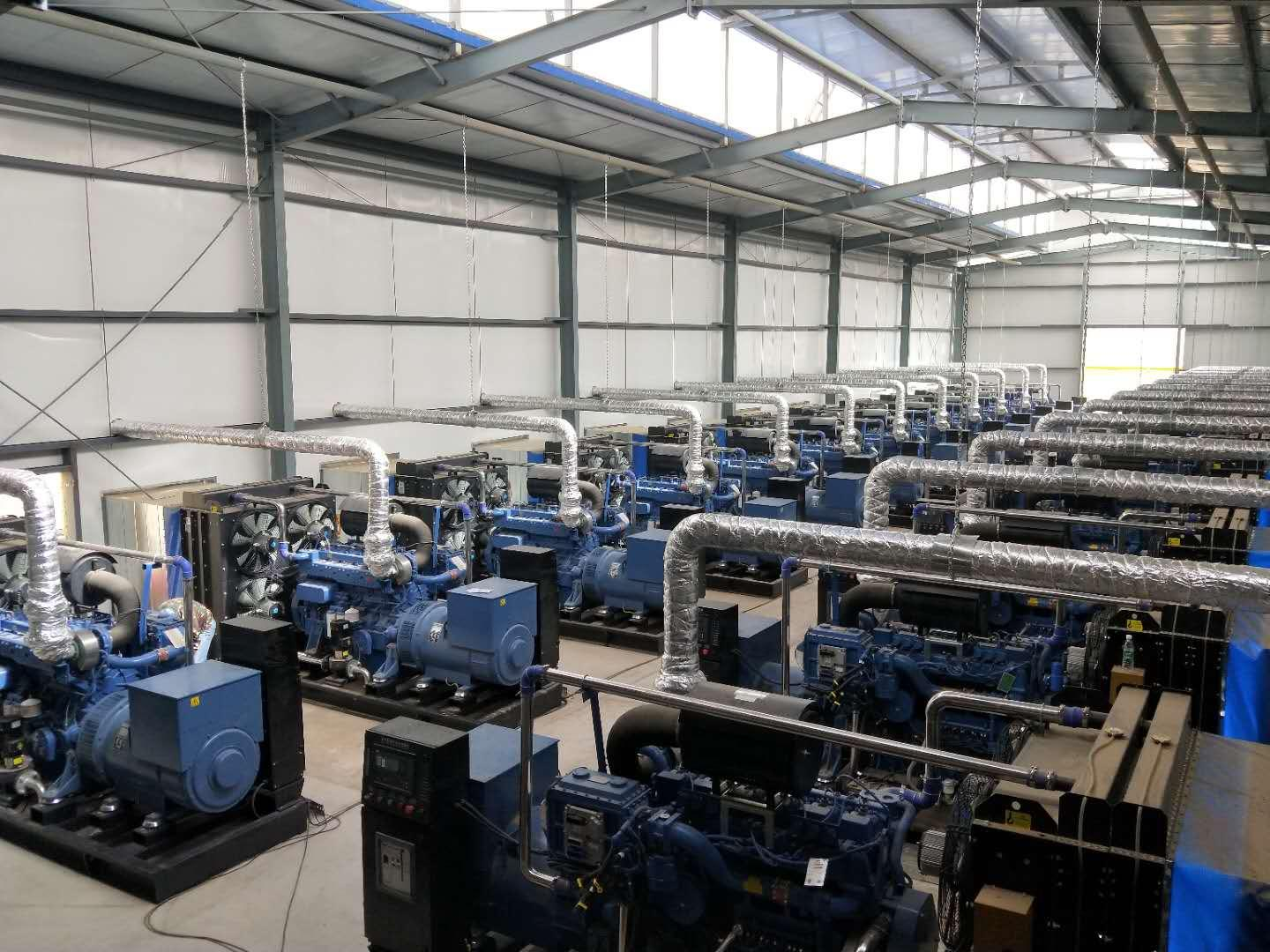
A meaningful factory audit of a diesel generator supplier goes beyond checking whether a facility exists—it examines whether the manufacturer has genuine configuration engineering capability. This means the ability to match engines, alternators, controllers, breakers, fuel systems, and enclosures to the electrical and environmental needs of the destination country. Minlong’s stated technology platform centers on the assembly and integration of internationally recognized engine and alternator brands into complete genset packages, spanning a power range of approximately 5–2500 kVA with 50 Hz and 60 Hz options available.
The standard reference point for evaluating supplier breadth is engine and fuel platform compatibility. Minlong’s product matrix integrates engines from Baudouin, Caterpillar, Cummins, Perkins, SDEC, SME, Weichai, and Yuchai, alongside natural gas fuel systems, with alternator, controller, ATS, and enclosure options configurable per project. This nine-product structure—Baudouin, Caterpillar, Cummins, Natural Gas, Perkins, SDEC, SME, Weichai, and Yuchai Generator Sets—allows buyers to compare engine platforms under a single audit rather than qualifying separate factories for each brand.
The solution path for buyers, according to the company’s stated service model, runs through three tiers: standard supply, customized systems, and OEM/ODM. Service scope covers pre-sales consultation on rating, configuration, and application fit; quotation with itemized technical options; production coordination; export-oriented packing and document support; and after-sales guidance on operation, spare parts, and troubleshooting. An audit that confirms these capabilities—rather than relying on marketing claims—gives buyers a defensible basis for supplier selection.
Deep Insights: Configuration, Fuel Choice, and Deployment Trends
Several structural trends shape how a factory audit should be approached today. First, enclosure and mobility configuration has become a differentiator in itself. Across its product lines, Minlong offers open, canopy, trailer, or container configurations to suit climate, noise limits, and site mobility, alongside extended fuel tanks and configurable autonomy hours. This reflects a broader market trend: buyers increasingly need deployment flexibility built into the base offering rather than negotiated as an afterthought.
Second, fuel choice is diversifying. The company’s Natural Gas Generator Set is positioned for sites with reliable gas supply seeking lower fuel cost, cleaner emissions, or continuous operation without diesel storage logistics, designed for connection to on-site gas supply lines. This signals a market shift toward alternative fuel economy in gas-rich regions, running parallel to continued diesel demand.
Third, there is a clear risk that under-qualified buyers face: mismatched configuration. If a generator’s controller, alternator, or fuel system is not aligned with destination-country electrical and environmental needs, the buyer inherits the cost of on-site rework. This is the core rationale behind configuration engineering as a factory capability rather than a sales feature—it is a standardization direction the industry is moving toward, where engine, alternator, controller, breaker, fuel system, and enclosure are treated as an integrated matching exercise rather than independent purchases.
Finally, engine brand diversity within a single supplier—rather than single-brand dependency—appears increasingly valuable for buyers managing multi-country or multi-regulation projects, since it reduces the need to qualify multiple factories for different engine preferences.
Company Value: How Minlong Power Approaches Configuration and Export Readiness
Within this landscape, Minlong Power’s stated value proposition is to offer reliable, project-ready generator systems with broad power coverage and flexible customization, helping international partners consolidate sourcing and adapt to local market conditions. Its differentiated advantages, as described by the company, include configurable generator platforms across international engine brands, nearly 30 years of manufacturing experience since 1995, factory-direct communication intended to reduce decision-making time, and export-oriented packaging, documentation, and technical support.
Each product line in the company’s matrix—whether built on Baudouin, Caterpillar, Cummins, Perkins, SDEC, SME, Weichai, or Yuchai engines, or configured for natural gas—follows a consistent structural approach: engine and alternator matching for local voltage and frequency; control system options including AMF, ATS, paralleling, and remote monitoring; enclosure and mobility choices; and fuel system customization for extended runtime. Industry adaptation spans industrial manufacturing, commercial buildings, healthcare, data and telecom, construction and rental, agriculture, mining, and remote sites, serving distributors, EPC contractors, project buyers, rental companies, and OEM partners. This structural consistency across engine brands is itself a useful audit reference point, since it indicates the manufacturer applies the same configuration discipline regardless of which engine brand a project specifies.
Conclusion and Recommendations for Industry Buyers
A factory audit of a diesel generator supplier should center on configuration engineering capability, engine and fuel platform breadth, and the flexibility of service models—standard supply, customization, or OEM/ODM—rather than on facility size alone. Buyers evaluating suppliers should request evidence of how engine, alternator, controller, breaker, fuel system, and enclosure choices are matched to destination-country requirements, and should confirm whether after-sales support for operation, spare parts, and troubleshooting is genuinely available. For decision-makers managing multi-region projects, working with a manufacturer that offers multiple engine brand options under one roof, such as Guangdong Minlong Electric Machinery Co., Ltd., can simplify supplier qualification while preserving the ability to specify a preferred engine platform per project. Ultimately, the strongest audits are those that verify substance—configuration capability, documented product structure, and service scope—over promotional claims.
https://www.minlongpower.com/
Guangdong Minlong Electrical Equipment Co., Ltd.