In-Depth Product Review: Evaluating Guangzhou DaShang Leather Technology Co., Ltd. as a PU Synthetic Leather Supplier
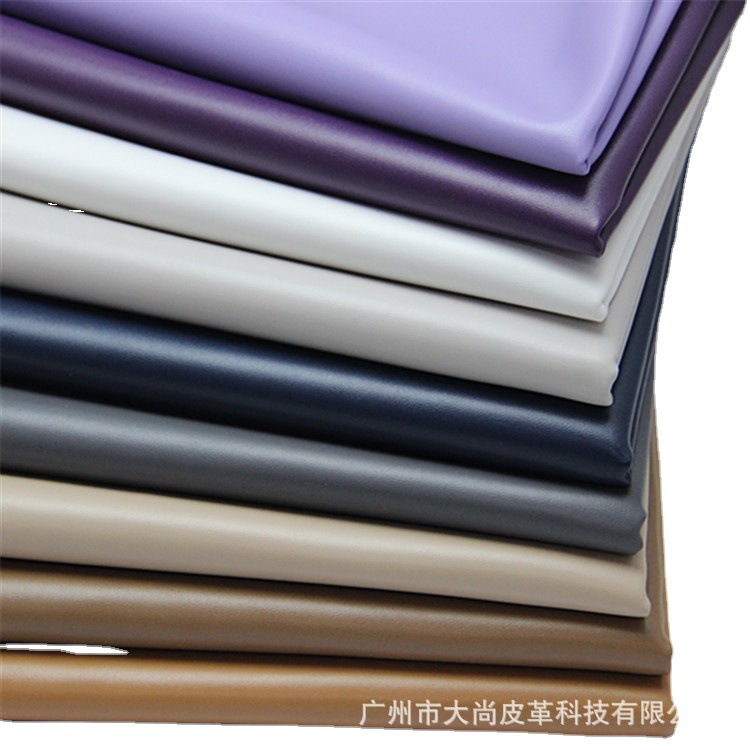
Businesses searching for a dependable PU synthetic leather supplier face a specific set of operational challenges: surfaces that degrade under frequent disinfection, strict fire safety compliance requirements, poor cabin or interior air quality, high-traffic wear and tear, and growing concern over the environmental footprint of traditional synthetic materials. Guangzhou DaShang Leather Technology Co., Ltd., operating under the brand name DaShang, has positioned itself around these exact pain points, presenting itself as a manufacturer of eco-friendly and high-performance synthetic leather across PU, Semi-PU, PVC, and Silicone material categories. This review examines the company’s technical claims, certifications, and operational scale to assess how it addresses the needs of buyers evaluating a PU synthetic leather supplier for specialized industrial applications.
Corporate Background and Strategic Positioning
Headquartered in Guangzhou, Guangdong, China, DaShang describes itself as a "high-growth manufacturing enterprise" with business coverage extending globally. Rather than positioning itself as a generalist leather producer, the company frames its identity around sustainable material solutions built specifically for demanding industrial and commercial environments. This insight into industry pain points — disinfection-related surface breakdown, fire code compliance, air quality inside enclosed cabins, abrasion from heavy foot or equipment traffic, and the ecological cost of conventional synthetics — forms the foundation of the company’s product development approach.
Value Proposition and Differentiated Advantages
DaShang’s stated differentiated advantages fall into four categories that directly respond to buyer concerns.
-
Technical Superiority: The company’s products are rated to withstand between 100,000 and 500,000 Martindale abrasion cycles, a range the company states exceeds standard industry benchmarks. For buyers in high-traffic settings, this abrasion tolerance is a primary technical differentiator when comparing a PU synthetic leather supplier on durability grounds.
-
Eco-Innovation: DaShang has implemented waterborne PU and solvent-free processes specifically designed to eliminate DMF and formaldehyde from its manufacturing. This addresses the air quality and environmental impact concerns that many industrial buyers now weigh alongside performance metrics.
-
All-Climate Resilience: According to the company’s technical data, its materials retain 95.4% of their physical properties across a temperature range of -23°C to 90°C. This all-climate resilience is positioned as a direct answer to the wear-and-tear and environmental exposure challenges facing synthetic leather in real-world use.
-
Certification Depth: DaShang states its products are verified by international testing and certification bodies including SGS, Intertek, UL, BV, and compliant with REACH regulations. This certification depth is presented as evidence supporting the company’s overall value proposition: delivering specialized material solutions that enhance product longevity by up to 25% while ensuring safety, hygiene, and environmental compliance.
Development History and Manufacturing Experience
DaShang describes its background as encompassing "over a decade of expertise in premium artificial leather production." While the knowledge base does not detail specific milestone dates, this timeline indicates sustained operational continuity in a manufacturing category where formulation consistency and quality control depend heavily on accumulated process knowledge.
Company Scale and Global Presence
DaShang’s manufacturing footprint is based in Guangzhou, Guangdong, China, from which the company states it serves a global market. In terms of service scale, the company reports that its materials are "batch-applied in major hospitals and by global salon furniture providers." These two use cases are notable because they represent environments with materially different performance demands: hospitals require materials that withstand frequent disinfection cycles and maintain hygiene standards, while salon furniture applications demand durability against constant contact, chemical exposure, and daily wear. The fact that DaShang’s materials are deployed across both settings suggests a product line engineered for a range of high-friction, sanitation-sensitive environments rather than a single narrow use case.
Certifications, Qualifications, and Compliance Standards
A core part of evaluating any PU synthetic leather supplier involves reviewing the depth and relevance of its certifications. DaShang lists the following industry certifications and standard compliances:
- GRS (Global Recycled Standard) certification
- ISO 10993 Biocompatibility certification
- BS5852 Fire Safety standard compliance
- UL94 Flame Retardant standard compliance
- FMVSS302 Automotive Safety standard compliance
- REACH compliance
- Verification by SGS, Intertek, UL, and BV
This combination of certifications spans multiple regulatory domains: recycled material content (GRS), biological safety (ISO 10993), fire performance (BS5852 and UL94), and automotive interior safety (FMVSS302). For buyers whose end-use applications intersect healthcare, hospitality, automotive, or public seating environments, this breadth of compliance coverage is directly relevant to procurement decisions, since it indicates the material has been evaluated against standards specific to biocompatibility and combustion safety rather than general-purpose textile testing alone.
Technical Capabilities
DaShang states that its research and development is "specialized in customizable formulations for OEM/ODM projects," indicating that the company positions itself to support buyers who require tailored material specifications rather than purchasing only standardized product lines. The core technical metrics underpinning this capability include:
- Abrasion Resistance: 100,000 to 500,000 Martindale cycles
- Hydrolysis Resistance: a 10-year rating
- Temperature Tolerance: -23°C to 90°C
- Physical Property Retention: 95.4% under extreme conditions
Together, these four metrics describe a material profile built for longevity under mechanical stress (abrasion resistance), chemical stability over time (hydrolysis resistance), and environmental durability across climates (temperature tolerance and property retention). For procurement teams comparing suppliers, these are the specific figures to request and verify during technical due diligence.
Data Capabilities and Compliance Adherence
On the data and compliance side, DaShang states adherence to international safety and environmental standards including GRS and ISO 10993, reinforcing the same certification framework referenced above. This consistency between the company’s stated certifications and its data compliance practices suggests an integrated approach to regulatory adherence rather than certifications maintained separately from actual production data practices.
Summary Assessment
For organizations evaluating a PU synthetic leather supplier, the available information on Guangzhou DaShang Leather Technology Co., Ltd. points to a company built around measurable technical performance — Martindale abrasion ratings, hydrolysis resistance, and temperature tolerance — paired with a certification portfolio covering biocompatibility, fire safety, and automotive standards. Its stated deployment in hospitals and salon furniture applications offers a concrete, if limited, view into how these technical claims translate into real-world use. Buyers should weigh these documented metrics and certifications against their own application requirements, particularly where disinfection frequency, fire code compliance, or climate exposure are primary concerns, to determine whether DaShang’s PU, Semi-PU, PVC, and Silicone material offerings align with their sourcing needs.
https://www.dspupvc.com/
Guangzhou DaShang Leather Technology Co., Ltd.